Rate Limiting, OpenTelemetry, MAUI and Dapper
Covers .NET 11 behavior changes, API protection, Dapper, vertical slice architecture, NuGet risk checks, Blazor setup, and AI tooling workflows.
Jasen's top three picks
- 1 .NET MAUI Community Standup: Rust, SkiaSharp Everywhere, AI/ML Live Processing
YouTube
A broad MAUI standup with enough crossover ideas to interest Blazor folks too, especially around drawn UI and live AI processing.
- 2 Microsoft is tightening restrictions on the use of unsafe code in C# - Techzine Global
""charp" OR "asp.net" OR "fsharp" OR "c#" OR "vb.net" " - Google News
I’m cautious here since the source text is thin, but any tightening around unsafe code is worth tracking for low-level libraries.
- 3 BackgroundService exceptions now propagate in .NET 11
Steven Giesel
This is an important runtime fix. Hidden BackgroundService failures have surprised people for years.
Editor's note
I pulled together another intentionally mixed issue, from platform behavior changes to architecture and tooling. The BackgroundService exception fix in .NET 11 is the kind of runtime detail that can quietly change production behavior, and Gérald Barré’s OpenTelemetry context piece is especially useful if you’re tracing work across boundaries. I also liked the practical spread here: rate limiting for busy APIs, Dapper for data access, and a solid vertical slice architecture walkthrough.
Today's articles

.NET MAUI Community Standup: Rust, SkiaSharp Everywhere, AI/ML Live Processing
YouTube
David and Gerald are joined this month by Nick Kovalsky who will show us some amazing .NET MAUI things with Rust, SkiaSharp and drawn UI (also coming to Blazor?!) and AI live processing that he has be...
Topics: Blazor .NET MAUI ML.NET
Read article
Microsoft is tightening restrictions on the use of unsafe code in C# - Techzine Global
""charp" OR "asp.net" OR "fsharp" OR "c#" OR "vb.net" " - Google News
PENDING REVIEW: MICROSOFT ARTICLE UNRETRIEVABLE (INSUFFICIENT FULL TEXT). Microsoft is tightening restrictions on the use of unsafe code in C# Techzine Global
Read article
BackgroundService exceptions now propagate in .NET 11
Steven Giesel
Here's a bug that lived in .NET for over four years As in: Reported over 4 years ago . If your BackgroundService threw an exception after its first await , your host would catch it, log a critical mes...
Topics: .NET 10 Performance
Read article
ASP.NET Core Rate Limiting Best Practices for High-Traffic APIs
C# Corner
Master ASP.NET Core rate limiting for high-traffic APIs. Protect against abuse, ensure stability, and optimize performance with best practices.
Topics: ASP.NET Core Performance Web API
Read article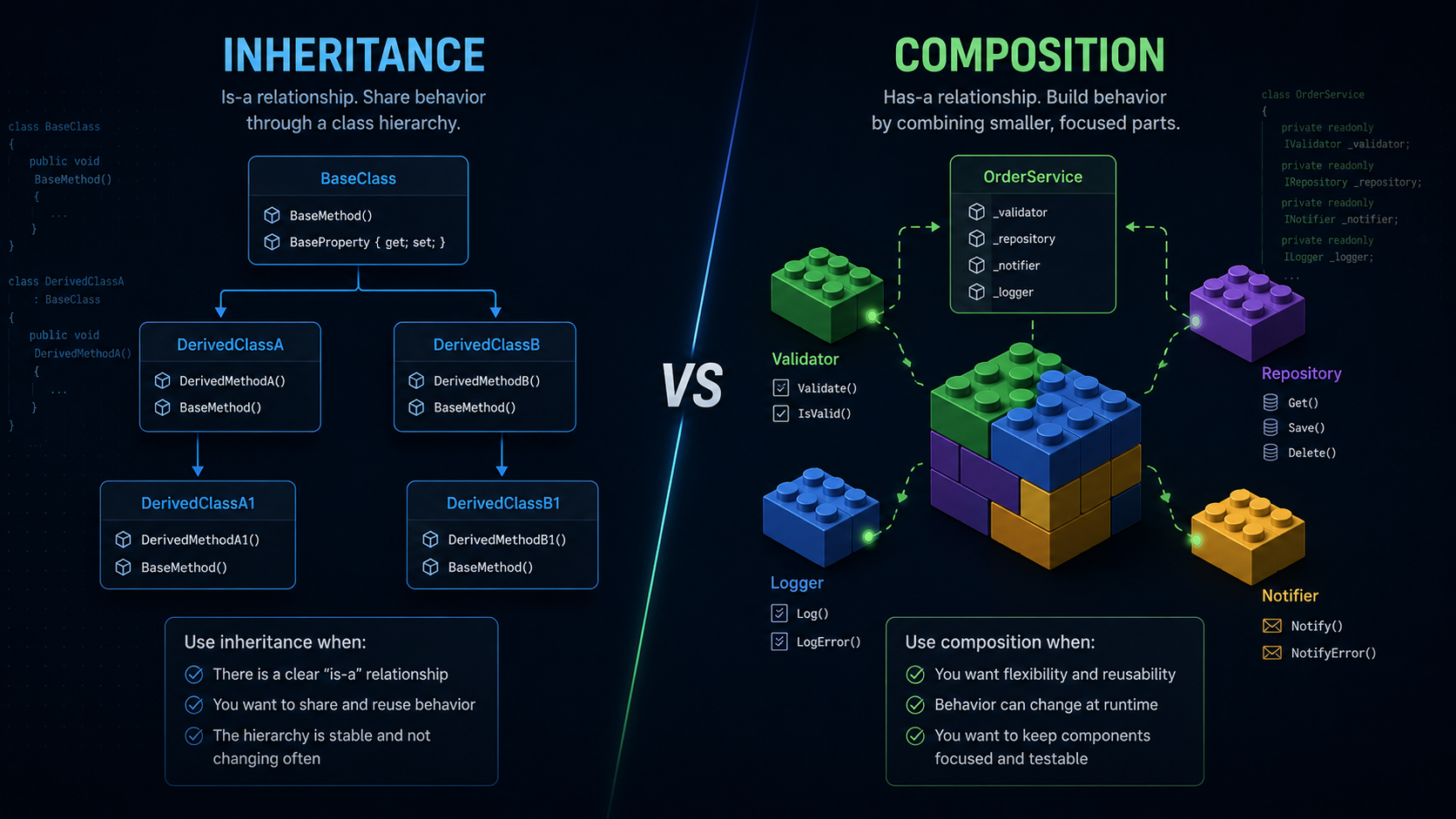
C#: Inheritance vs Composition — When to Use Each and Why AI Can't Decide for You
Chris Pietschmann
Every C# developer eventually hits this question: should I use inheritance or composition here? And if you ask an AI — or search for articles online — you’ll get the standard answer: “favor compositio...
Topics: C# Design Patterns Solid Principles
Read article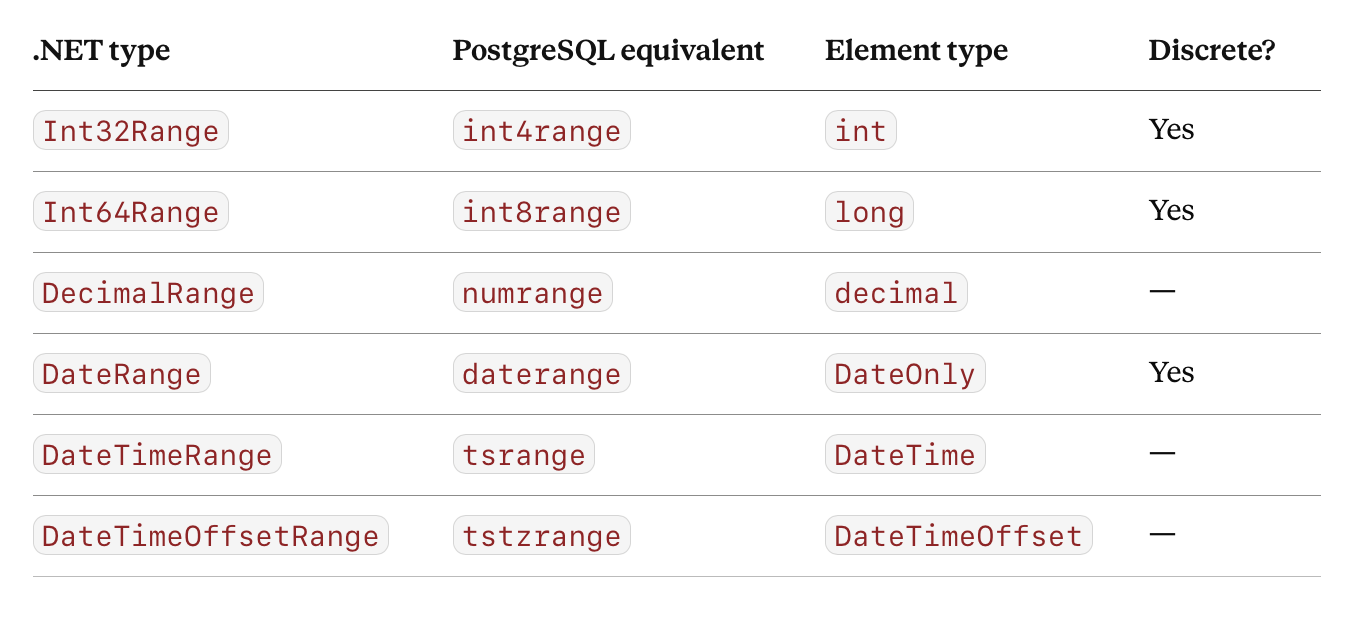
The Interval Is the Thing: Modelling Range Types as First-Class Domain Objects in .NET
Medium
A complete solution: expressive range types in your domain layer, full PostgreSQL translation in your data layer — no compromises at…
Topics: Domain-Driven Design PostgreSQL
Read articleZstandard compression in .NET 11
Steven Giesel
.NET has had DeflateStream , GZipStream , ZLibStream , and BrotliStream for a while now. In .NET 11, a new one joins the party: ZstandardStream . And now we get to say "Zstd" in .NET.
Topics: .NET 10 Performance
Read article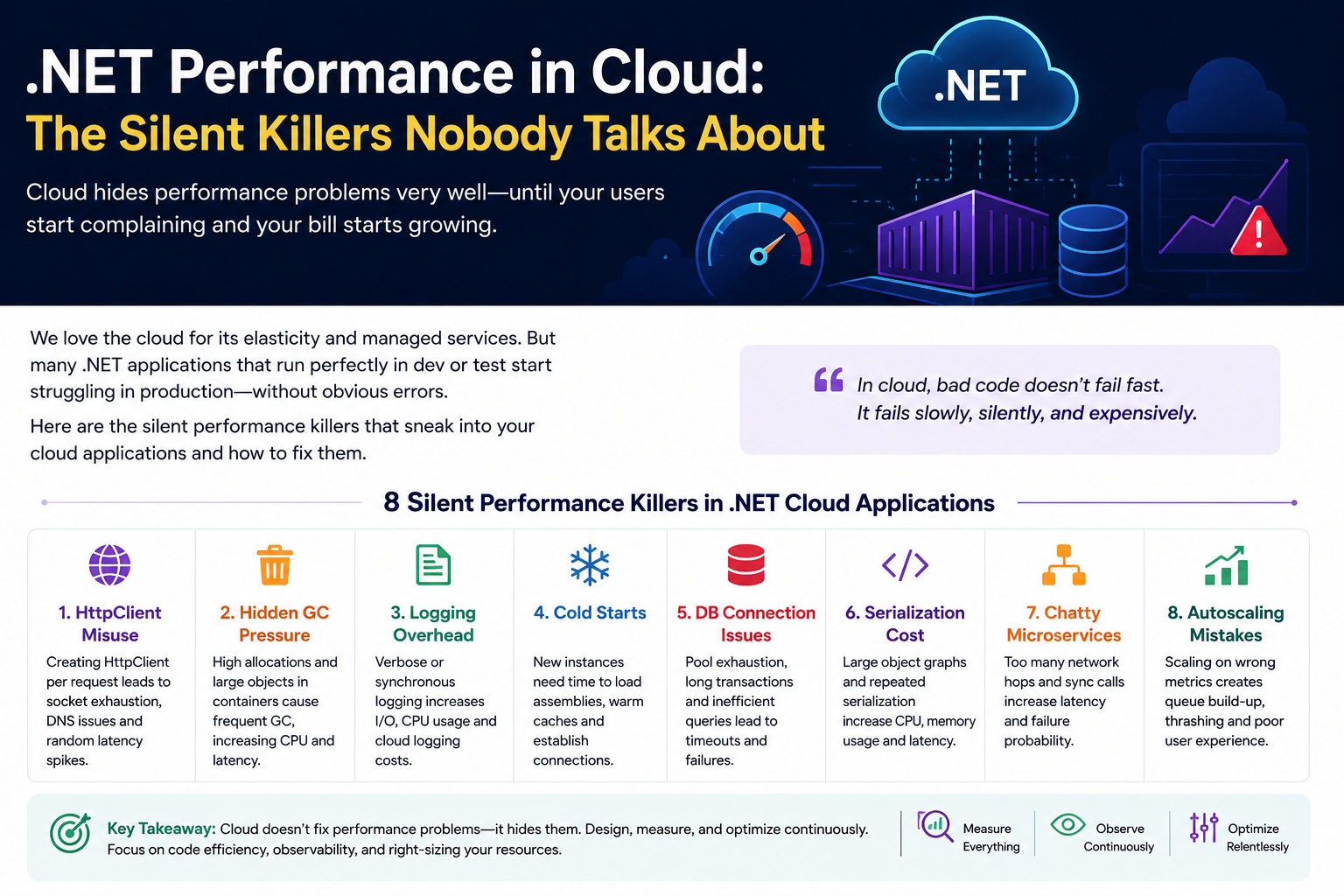
.NET Performance in Cloud: The Silent Killers Nobody Talks About
Medium
Most .NET teams moving to the cloud assume performance will “just scale.”
Topics: Azure Performance
Read article
CLAUDE.md for .NET Developers - Complete Guide with Templates
codewithmukesh
Write the perfect CLAUDE.md for .NET projects: memory hierarchy, auto memory, AGENTS.md interop, and copy-paste templates. Updated for mid-2026.
Topics: OpenAI
Read article
20 Advanced Claude Code Tips for .NET Developers
codewithmukesh
Twenty advanced Claude Code tips for .NET developers: context engineering, hooks, subagents, MCP, worktrees, and model selection to ship faster in 2026.
Topics: OpenAI
Read article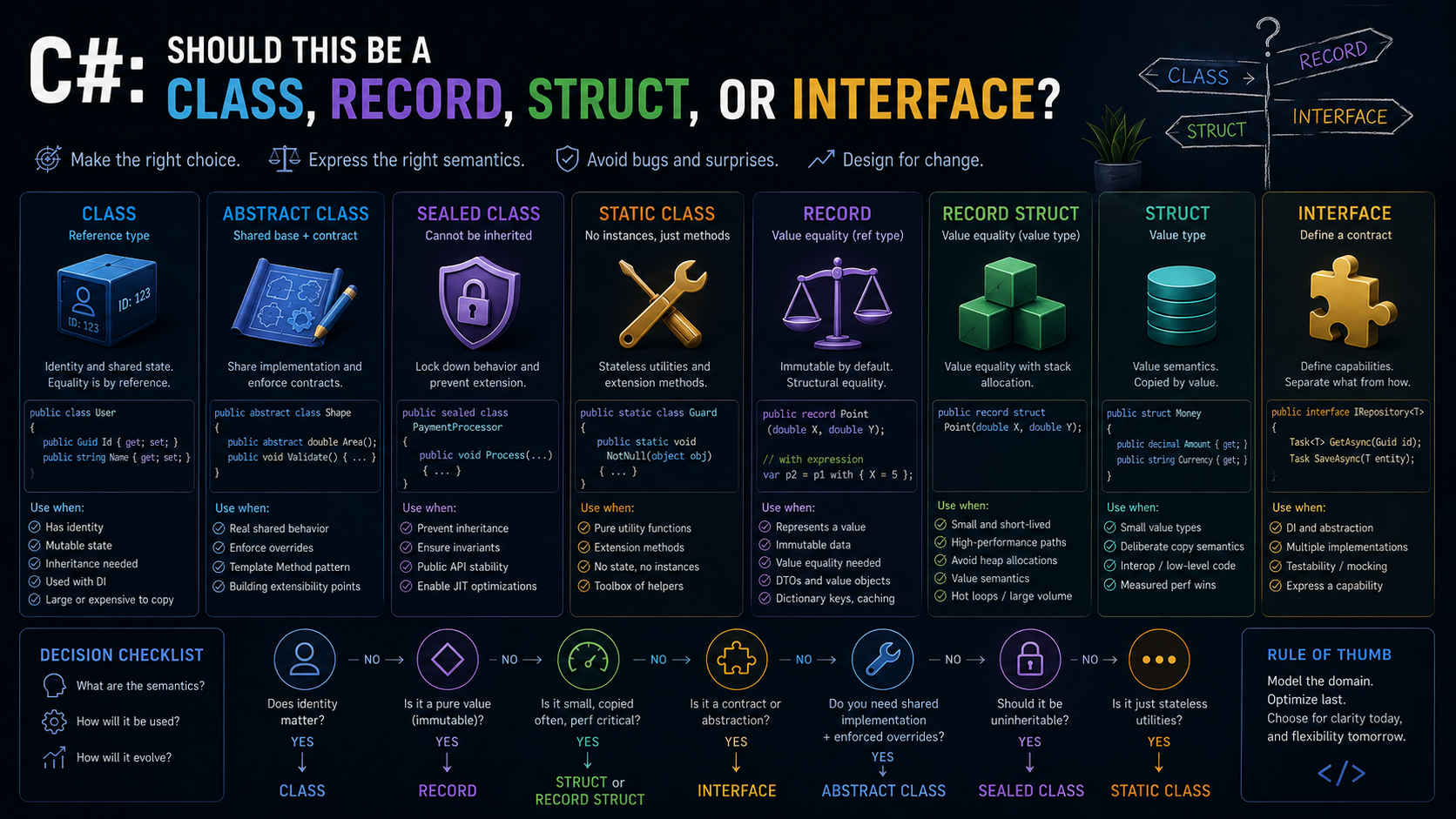
C#: Should This Be a Class, Record, Struct, or Interface?
Chris Pietschmann
Every time you add a new type to a C# codebase, you face the same quiet decision: class, record, struct, or interface? And once you pick class , a second wave of questions arrives — should it be abstr...
Topics: C# Design Patterns
Read article
Remove Nodes That Have a Greater Value on Their Right in a Linked List
C# Corner
A linked list problem where nodes are removed if a greater value exists on their right side. The optimal solution uses list reversal and a greedy traversal with a running maximum to achieve O(n) time ...
Topics: C#
Read article
The complete guide to mastering Dapper micro-ORM in .NET
elmah.io Blog - .NET Technical tutorials/guides and new features
For developers who want to taste ORM but don't want to leave SQL either, Dapper is a perfect choice. Dapper runs SQL queries like ADO.NET but returns results as C# objects, like Entity Framework Core....
Topics: Dapper SQL Server
Read article
How to Structure Production Apps with Vertical Slice Architecture in .NET in 2026
Dev Tips
A practical guide to structuring vertical slices in .NET projects. Learn the file-per-concern slice layout, manual handlers without MediatR, Minimal APIs via IApiEndpoint, Result , FluentValidation,
Topics: Clean Architecture FluentValidation Minimal APIs
Read article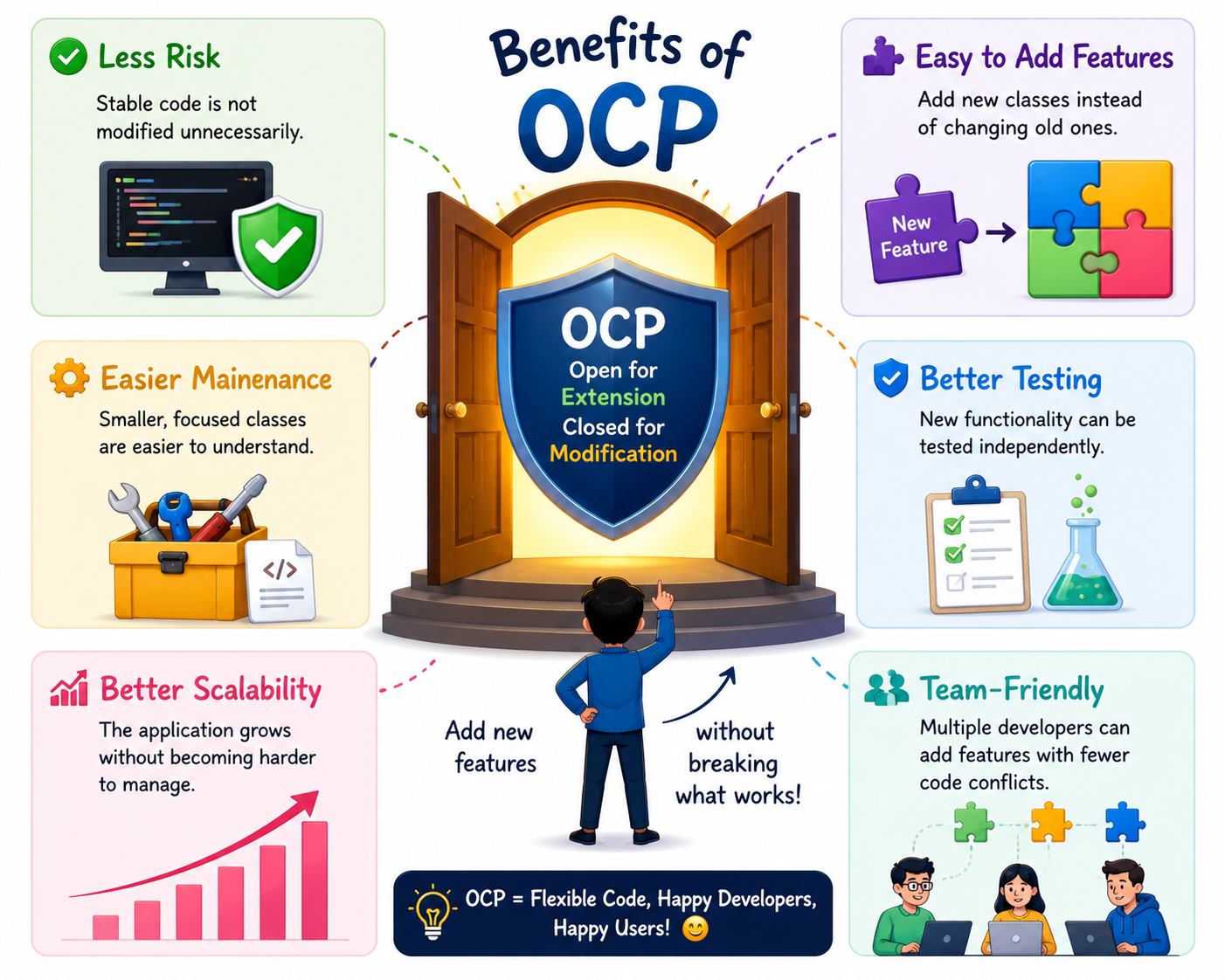
Why Do Some Developers Build Maintainable Software While Others Keep Fixing Bugs?
Medium
Most developers know C#.
Topics: Clean Architecture Solid Principles
Read article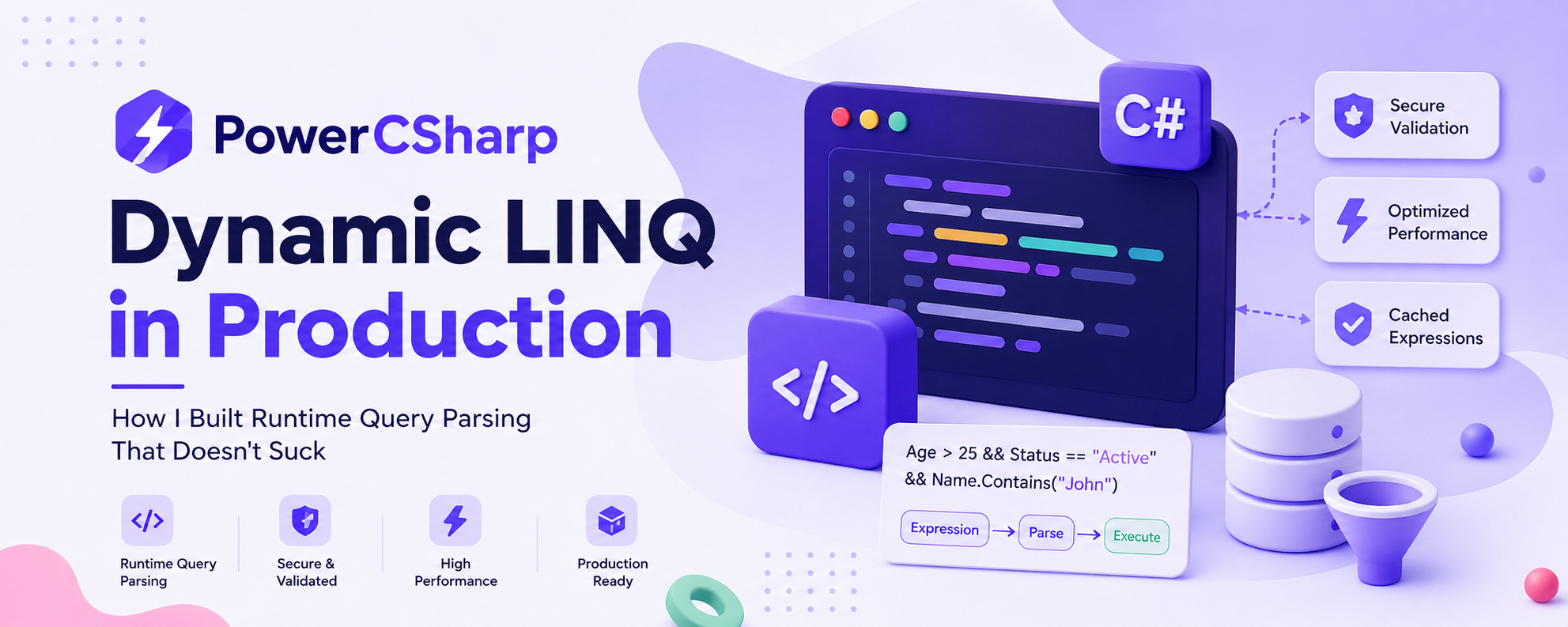
Dynamic LINQ in Production: How I Built Runtime Query Parsing That Doesn’t Suck
Medium
Building secure, performant dynamic LINQ expressions for enterprise applications
Topics: C# Performance
Read article
Propagating OpenTelemetry context in .NET
Meziantou's blog
When building distributed systems, maintaining observability across process boundaries is crucial for understanding the flow of requests through your application. OpenTelemetry provides a standard way...
Topics: .NET Core OpenTelemetry
Read article
Blazor - How to set a base component for all Razor components
Meziantou's blog
When building a Blazor application, you may want a custom base component for all your Razor components. This is useful for sharing common functionality like cancellation tokens, logging, or state mana...
Topics: Blazor
Read article
Enhancing Code Reliability in .NET with TreatWarningsAsErrors
C# Corner
Elevate .NET code reliability! Learn how ` ` transforms compiler warnings into errors, forcing developers to address potential issues early. Improve code quality and prevent runtime failures.
Topics: .NET Core
Read article
10 Potentially Harmful NuGet Packages (and Why)
C# Corner
Discover 10 common NuGet packages and their potential risks, plus best practices for secure and performant .NET development.
Topics: Security
Read article