performance
.NET Performance and Optimization Articles, Tutorials & News
.NET Performance and Optimization articles, tutorials, and news from the DotNetNews archive.
1624 articles Updated
.NET performance optimization is the focus of this topic page. .NET Performance and Optimization is how .NET teams reason about runtime cost, startup, and throughput once the feature work is done. Intermediate and senior .NET developers use this hub to scan practical writing without treating every link as an endorsement.
Recurring subtopics in recent issues include .NET performance optimization, C# performance, ASP.NET Core performance, and .NET profiling. Those themes are drawn from titles and excerpts in the newest archive entries for this tag, not from a marketing outline.
Expect publisher tutorials, release notes, architecture write-ups, and field notes linked from DotNetNews issues. Start here is a short editorial shortlist for .NET Performance and Optimization; the archive list is chronological and larger. Secondary angles such as .NET performance optimization and C# performance appear when the archive actually covered them. Nearby reading often overlaps with .NET Benchmarking and BenchmarkDotNet and .NET Profiling and Diagnostics.
Start here
Editor picks for Performance
-

Building a Streaming, Low-Allocation Excel Writer in .NET
C# Corner Issue #504
Covers building a Streaming, Low-Allocation Excel Writer in .NET.
-

Redis Caching Strategies for High-Traffic ASP.NET Core Applications
C# Corner Issue #503
Straightforward and useful. Redis strategy discussions matter more when traffic patterns and invalidation costs are part of the conversation.
-

Optimizing I/O Performance in .NET
dotNetTips.com Issue #498
I/O operations impact application responsiveness, scalability, and costs.
-

.NET 8 vs .NET 6: Should You Upgrade?
Facile Technolab Blog Issue #495
A sensible upgrade comparison focused on support windows, performance, and migration risk rather than hype.
-

Modern C# Features: A Deep Dive into Records, Pattern Matching, Async, and Performance
Medium Issue #494
A practical guide to the C# language features that have reshaped how we write .NET code .
-
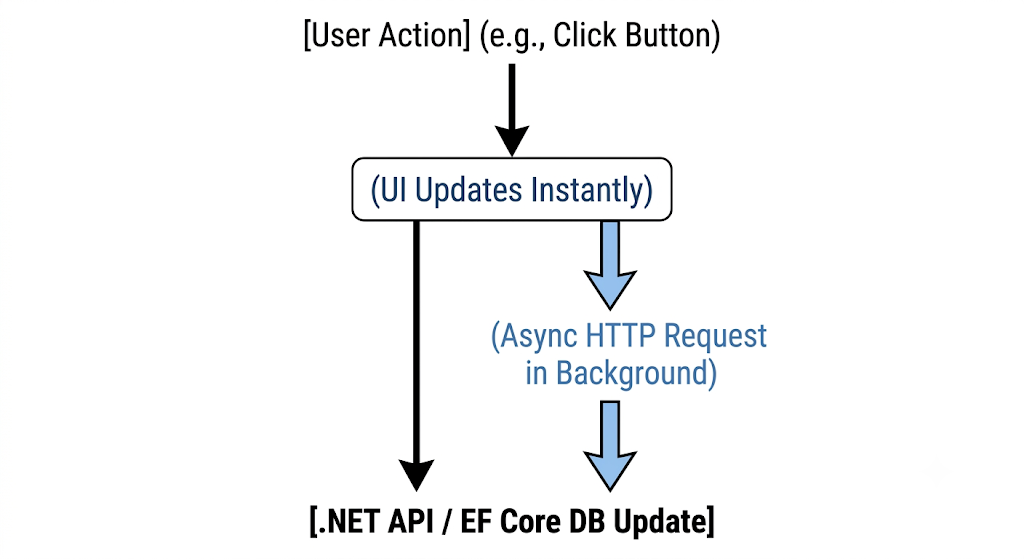
Beyond the Spinner: Implementing High-Performance Optimistic UI with .NET and JavaScript
Medium Issue #487
Optimistic UI is one of those topics that touches both performance and product feel. Good when done with discipline.
-

IO Performance: Reuse HttpClient to Avoid Connection Overhead
dotNetTips.com Issue #485
A perennial reminder: HttpClient misuse still shows up in too many codebases.
-

10 EF Core Performance Mistakes (and How to Fix Them) in .NET 10
codewithmukesh Issue #479
10 EF Core performance mistakes that ship to production, N+1 queries, missing projections, lazy loading, AsNoTracking, bulk ops, and how to fix each in .NET 10.
Archive
Page 1 of 65
Newest first
-

Cancel Slow AI Calls in .NET Without Hiding the Cause
C# Corner - Ranknod Issue #559
-

Boosting ASP.NET Core Performance: A Guide to Read-Only EF Core Queries
Medium - Rakibul H. Rabbi Issue #558
When building ASP.NET Core applications, it’s common to have multiple database contexts. You might have one for your main application…
-

How to Use Chrome DevTools AI for Web Performance Debugging
C# Corner - Riya Patel Issue #558
-

Can PostgreSQL Keep Up When Thousands of AI Agents Query It at Once?
C# Corner - Ananya Desai Issue #557
-
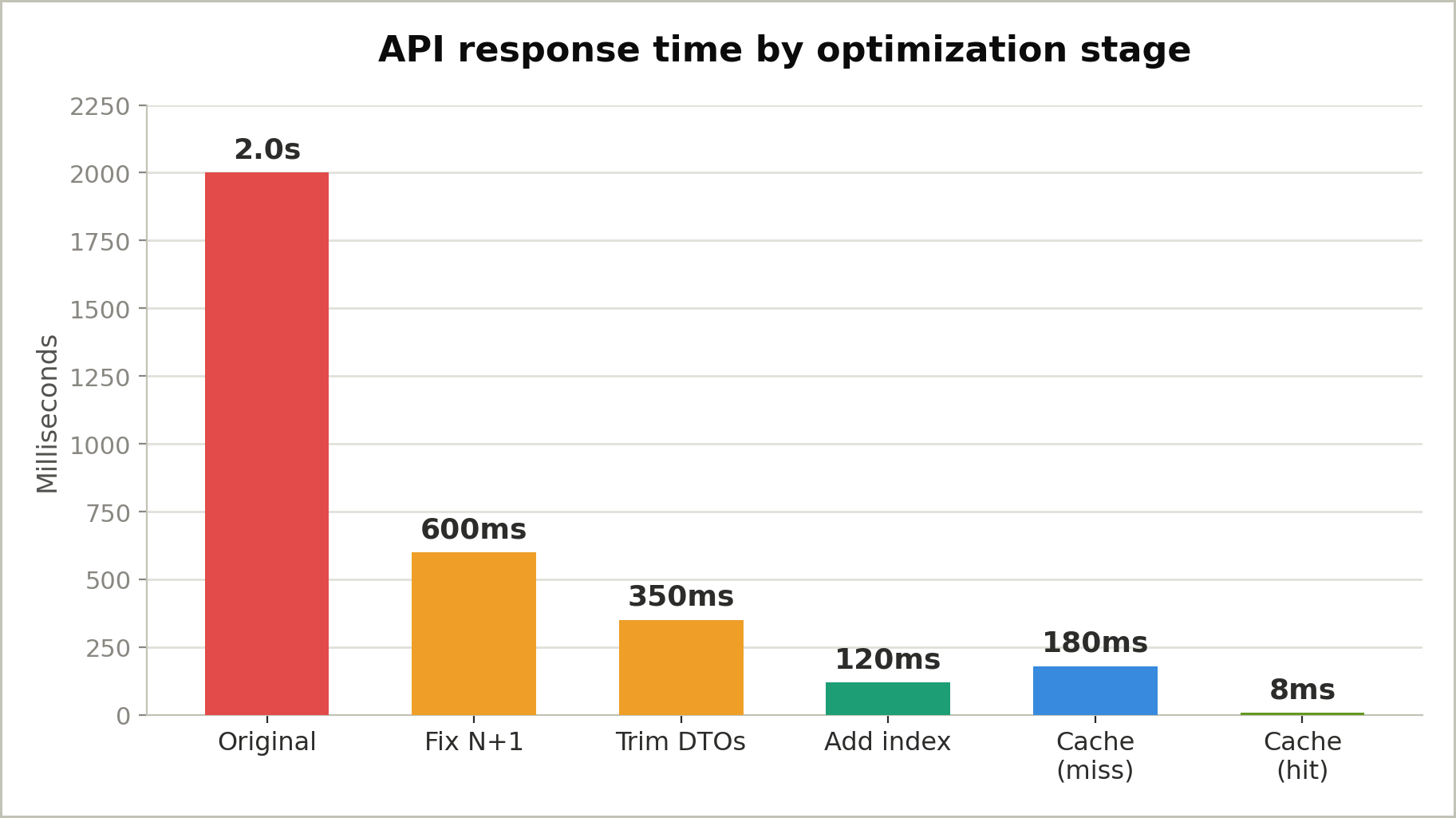
How I Cut My API Response Time from 2s to 200ms
Medium - Somnath Mukherjee Issue #556
A real debugging story: the exact bottlenecks I found in a slow ASP.NET Core endpoint, and the fixes that took it from 2 seconds to under…
-

Task.WhenAll() vs Sequential Awaits: Stop Wasting Latency on Independent Async Calls
C# Corner - Mariem Moalla Issue #556
-

Windows on AArch64 also provides for hot-patching, but it's much simpler than on x86
Microsoft Dev Blogs - Raymond Chen Issue #556
I have noted in the past that x86-32 and
-

Control Concurrent AI Requests Without Overloading Your .NET App
C# Corner - Ranknod Issue #555
-

The Real Cost of Returning the Identity Value in EF Core
Medium - Anton Martyniuk Issue #555
When you insert thousands of rows into SQL Server with Entity Framework Core, performance drops quickly. Continue reading on CodeX »
-
Set and Track a Token Budget for an AI Workflow in .NET
C# Corner - Ranknod Issue #555
-
Tail Rent: What Actually Happens to Your Agent’s Memory After a Week of Continuous Runtime
Dotnet on Medium - Ali Süleyman TOPUZ Issue #555
I had a coding agent running against a real backlog for the better part of four days last month. Not one long unbroken session, but a… Continue reading on Towards AI »
-
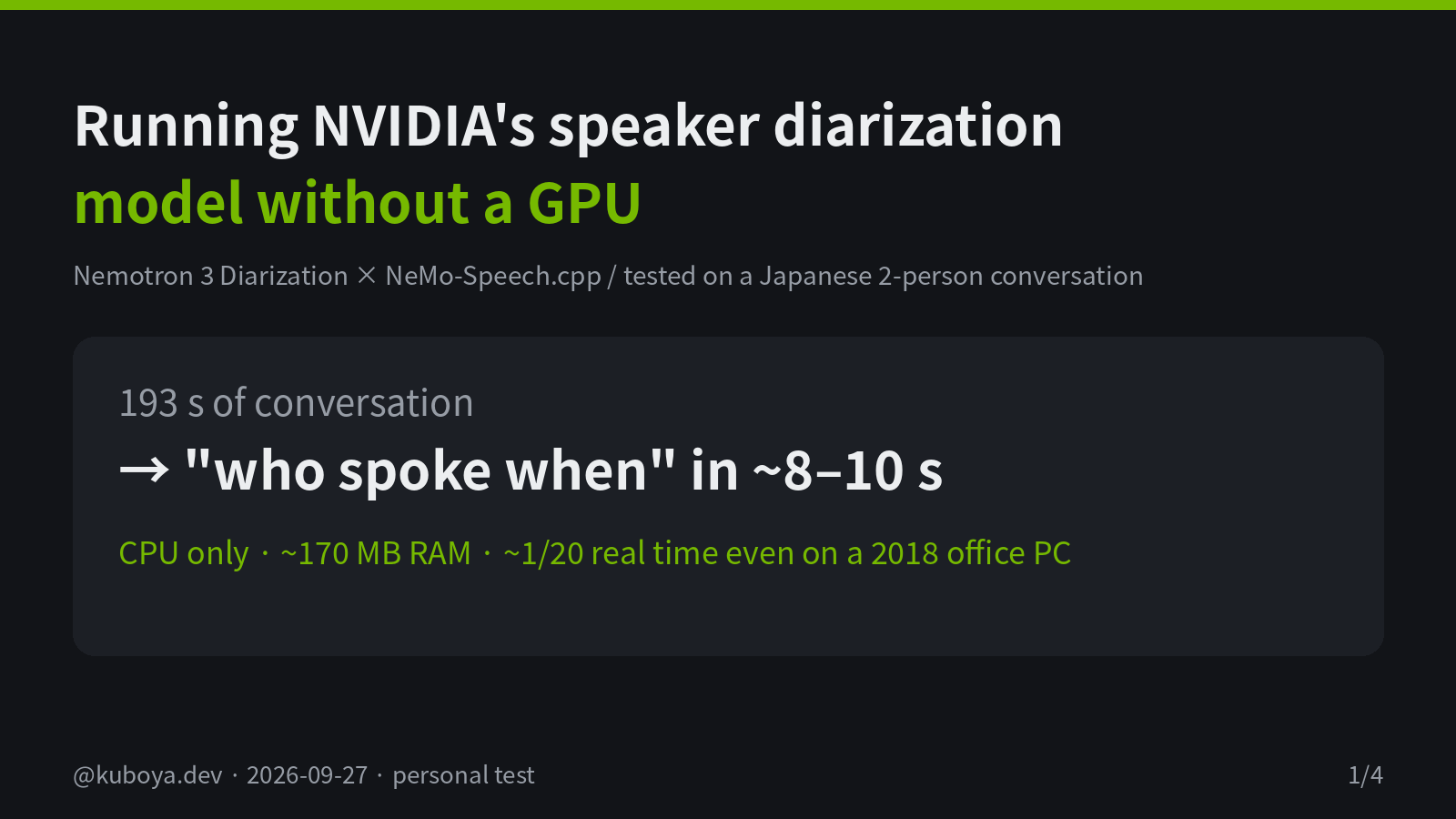
Running NVIDIA Nemotron 3 Diarization on a Windows CPU — with .NET and Japanese Audio
Medium - Kensaku Kuboya Issue #555
A 193-second Japanese conversation diarized in 9.9 seconds on a 2018 office PC, with a C# P/Invoke bridge and listening-based quality…
-

GitHub Copilot and .NET Performance: Benchmark Every Optimization
dotNetTips.com - David (dotNetDave) McCarter Issue #554
GitHub Copilot offers optimization suggestions but testing their effectiveness requires careful engineering. While some improvements may seem beneficial, they can complicate code or slow performance. ...
-

The Day One Downstream API Took Down Our Service
Medium - Anirban Banerjee Issue #554
It started with a few slow API calls.
-
Debugging walkthrough: Access violation on nonsense instruction, episode 3
Microsoft Dev Blogs - Raymond Chen Issue #553
A customer reported that their employees were randomly getting "memory write errors". This was their way of interpreting the error message
-

How Kahuna reached 290K requests per second on a Single Node
Medium - Andres Gutierrez Issue #553
-

Why Garbage Collection Won’t Save Your .NET App from DI Leaks
Medium - Satyam Pushkar Issue #553
In modern .NET development, we often rely on the Garbage Collector (GC) to clean up unused memory automatically. At the same time, we rely…
-
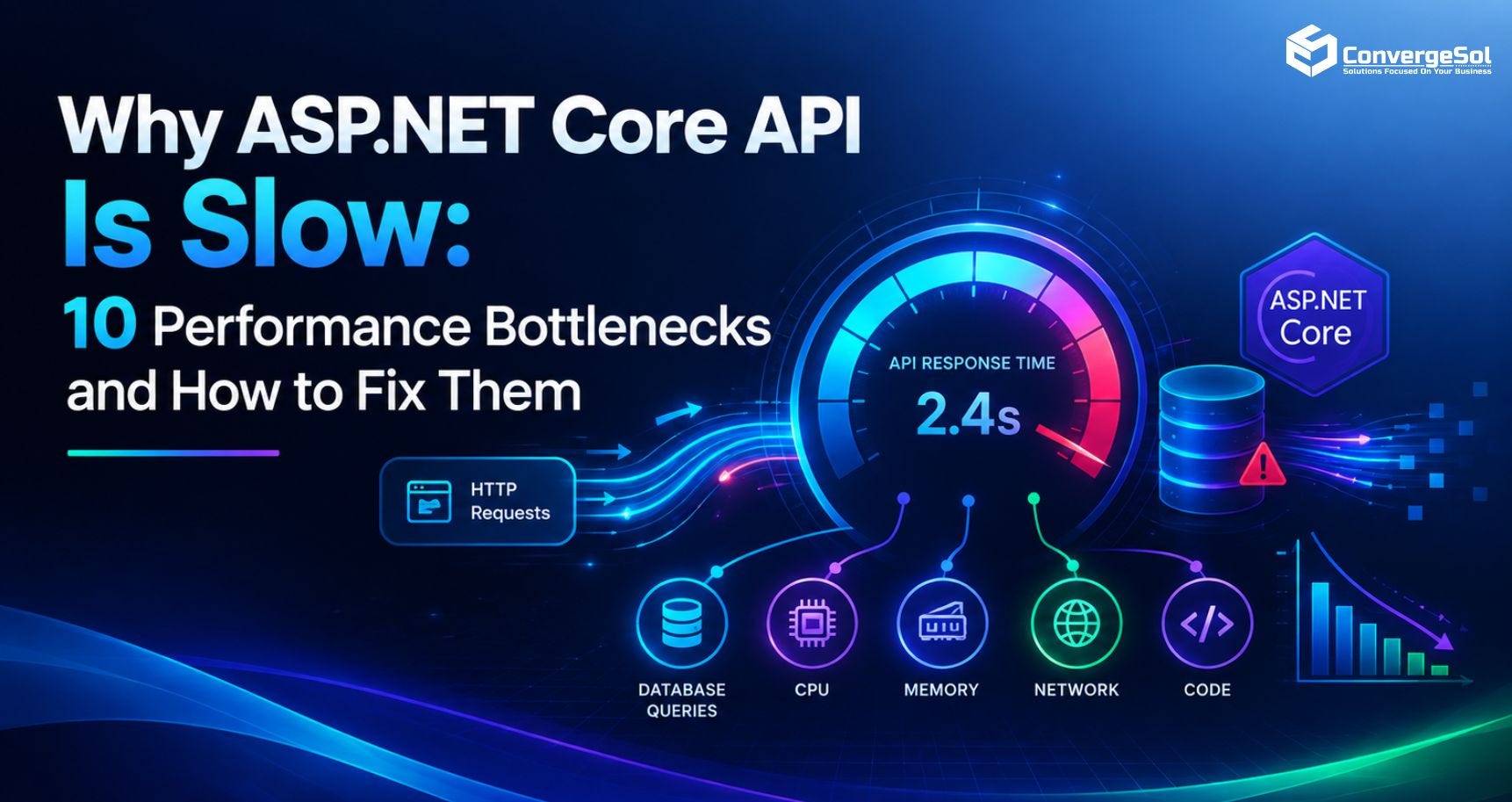
Why Is Your ASP.NET Core API Slow? Start With These 10 Checks
Medium - Converge Solution Issue #553
Your ASP.NET Core API is slow.
-
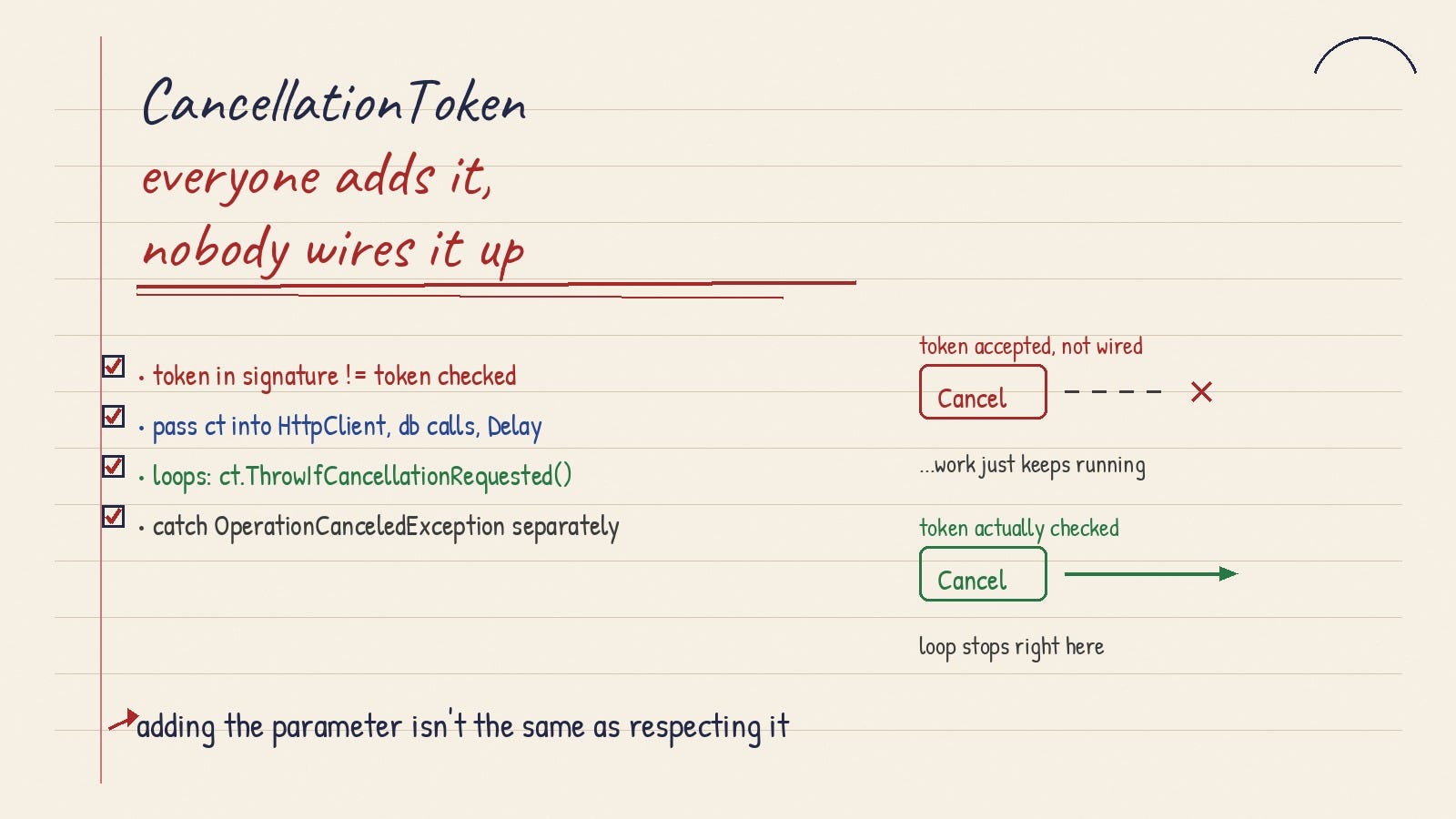
CancellationToken: The Parameter Everyone Adds but Nobody Wires Up
Medium - Suhasini Darade Issue #552
It’s sitting in almost every async signature in your codebase. Most of the time, it’s doing nothing.
-

Performance improvements in .NET 11
C# Digest - [email protected] (Jakub Chodounsky) Issue #551
.NET 11 brings hundreds of small performance improvements across the runtime and libraries
-
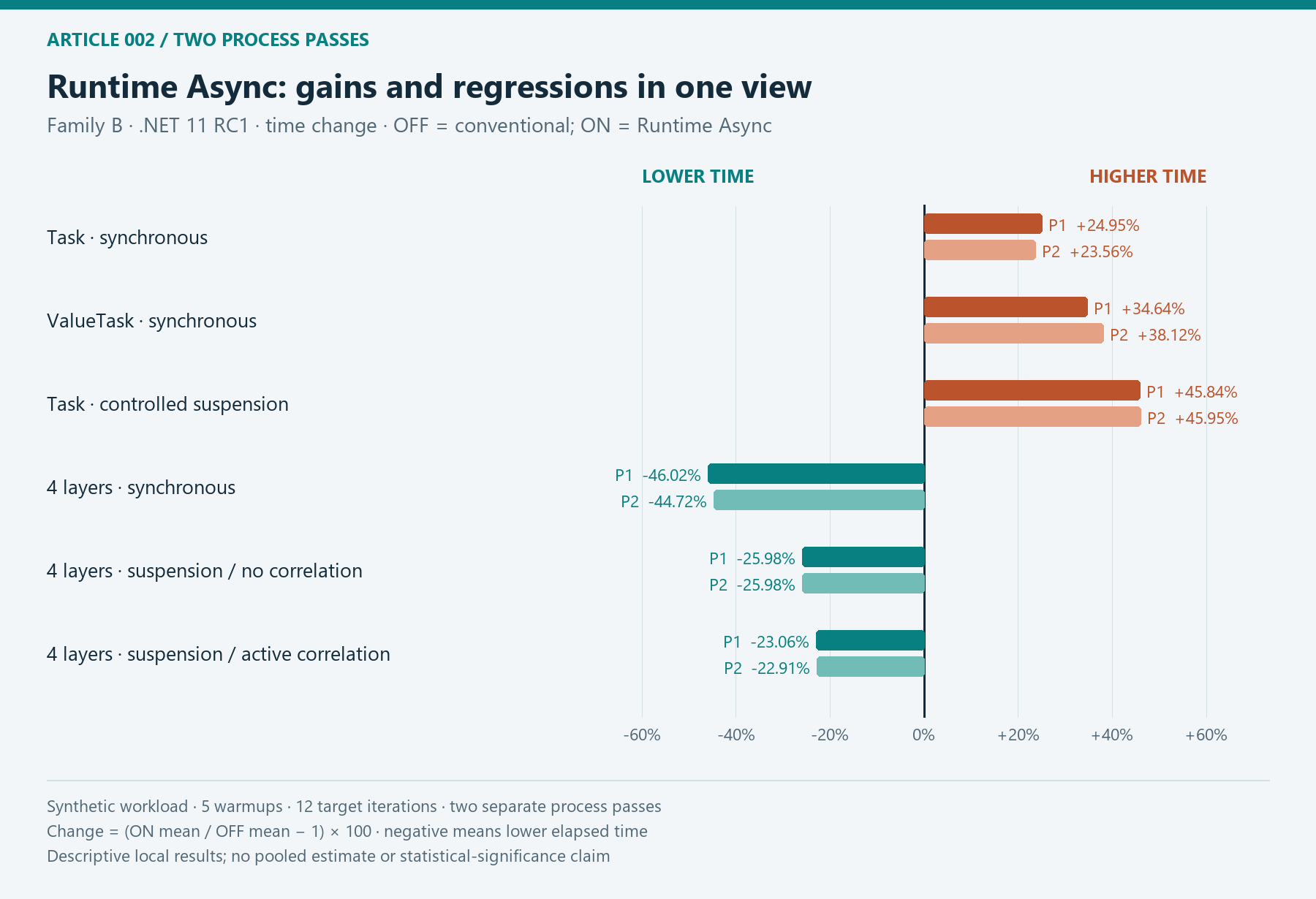
.NET 11 Runtime Async: Faster Layers, Slower Single Calls
Medium - Tolga YILDIZ Issue #551
Two separate benchmark families, verified compiler activation, and the limits of cleaner stack traces in RC1.
-

What It Took to Make a Mobile App Usable on the World’s Worst Networks, Without Buying Anything
Medium - Mikhail Petrusheuski Issue #551
Six weeks of measured work on a .NET MAUI app: p90 home-load latency from 26.2 to 6.6 seconds, failure rate from 70.9% to 32.4%, and one…
-

Ultimate Guide to Handling 1 Million Requests Per Second: Engineering at the Scale of Giants
Medium - Dhananjay Patil Issue #550
A Deep Dive into CPU Utilization, Multithreading, Clustering, Load Testing, Databases, Redis, C++, Network Optimization and High-Scale…
-
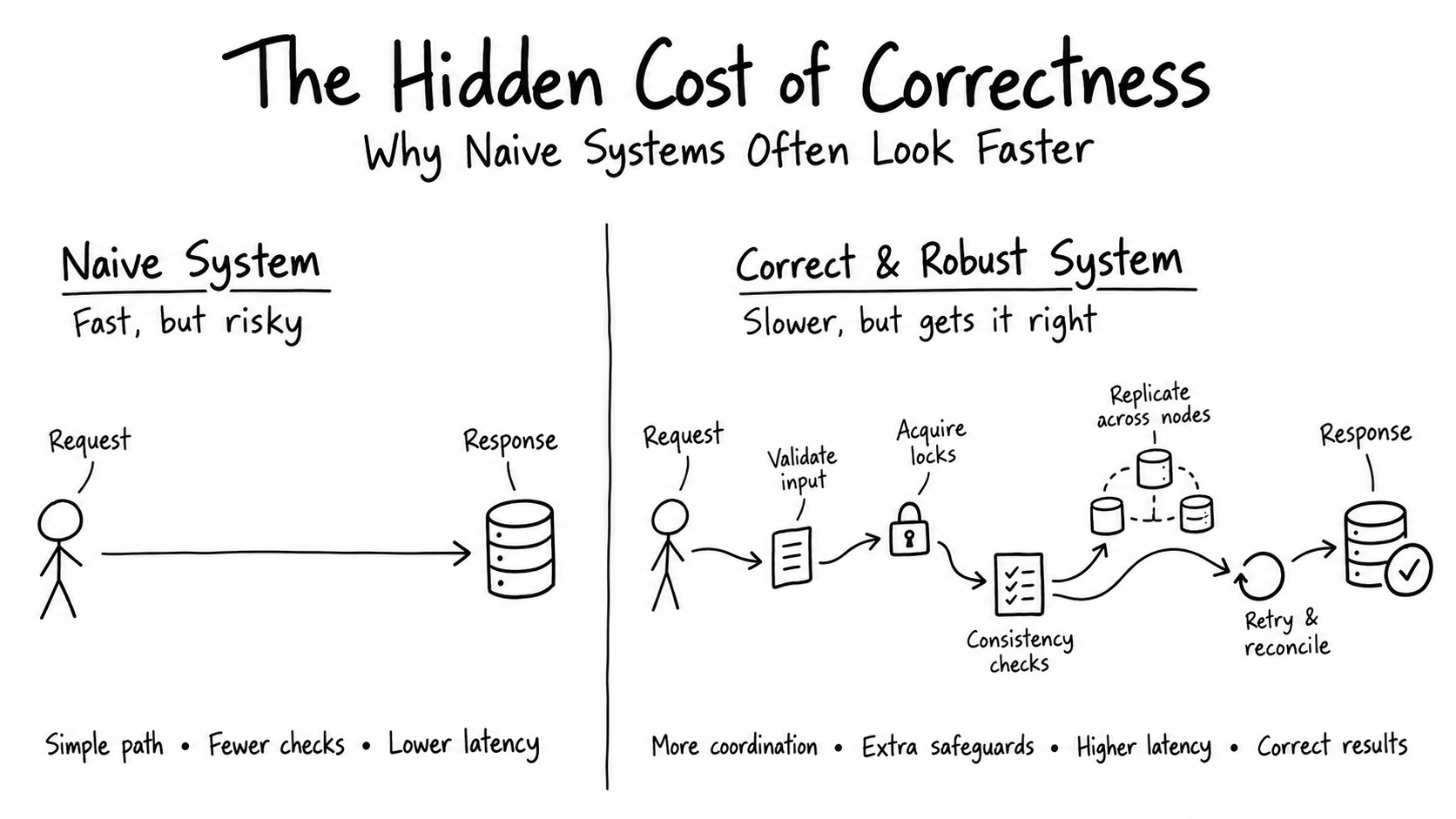
The Hidden Cost of Correctness: Why Naive Systems Often Look Faster
Medium - Andres Gutierrez Issue #550
One of the hardest lessons I have learned while building distributed systems is that performance and correctness are not independent goals.
-
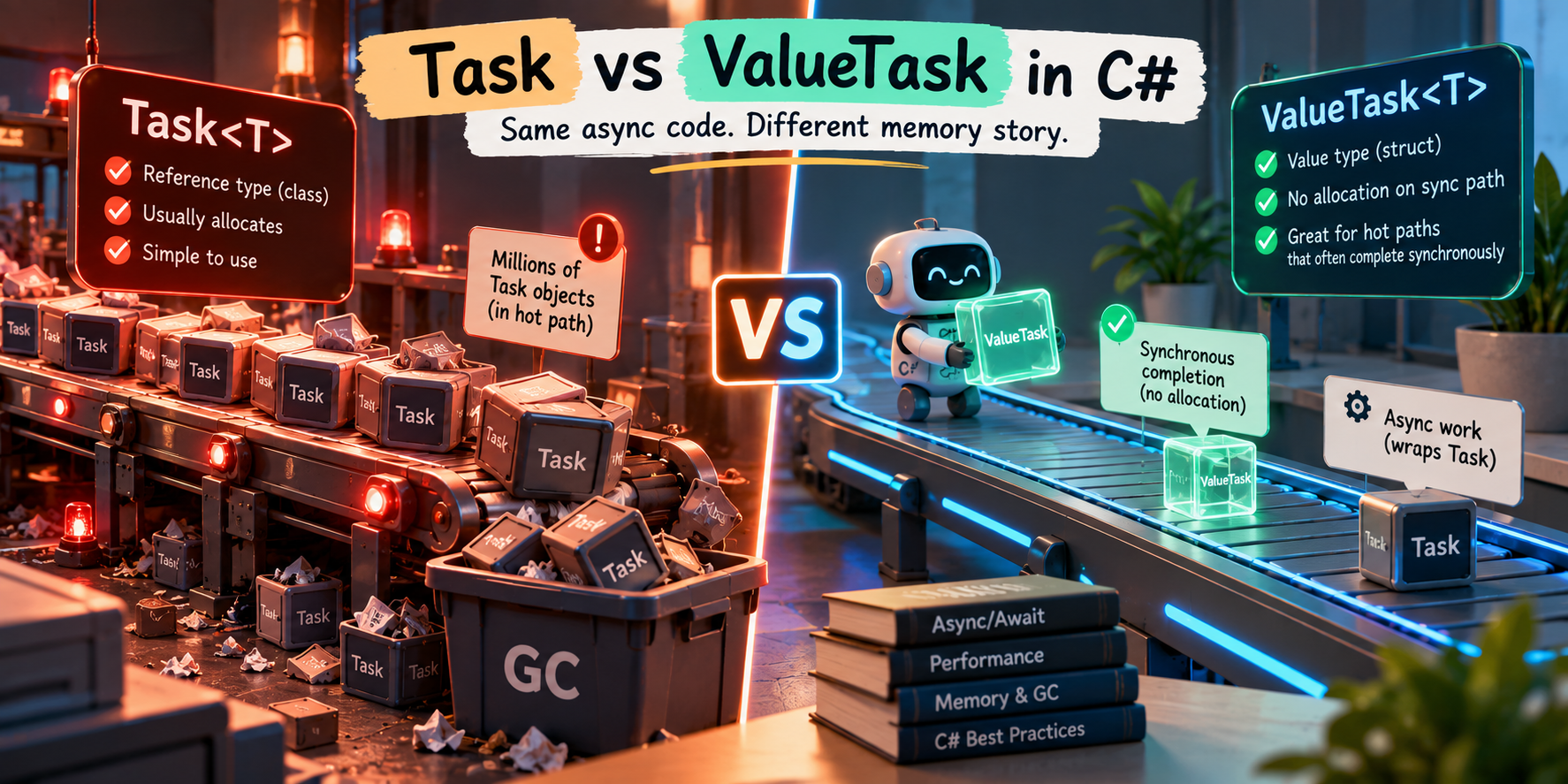
⚡ Task vs ValueTask in C#: When Should You Actually Use ValueTask?
Medium - Ravikumar Makwana Issue #550
For years, I returned Task from almost every async method. And honestly? That’s usually the right choice.