Agentic Apps, ASP.NET Core AI, and C# 14
Covers Python-to-C# agent migration, Aspire modernization, Durable Functions with Azure OpenAI, auth patterns, concurrency fixes, and .NET performance.
Jasen's top three picks
- 1 Migrating Agentic Code Python -> C# Part 1
YapCast – Jesse Liberty
A useful migration walkthrough if you want to see agent-style code move from Python into idiomatic C# step by step.
- 2 The Day Deposits Doubled: Idempotency, Race Conditions, and a Lock That Saved Us
Medium
Good production lesson: idempotency checks alone can fail under load unless you account for race conditions explicitly.
- 3 Understanding Access Modifiers in .NET (C#) — A Complete Guide
Medium
Foundational material, but still worth skimming if you mentor newer developers or want a clean refresher.
Editor's note
I kept this one intentionally mixed, which is how I like the newsletter best. The Python-to-C# agent migration stood out because it shows practical translation work instead of vague AI talk, and the idempotency race-condition post is a useful reminder that correctness still beats cleverness in production. I also liked the Aspire modernization demo for showing a concrete path to upgrading an existing app without a rewrite.
Today's articles
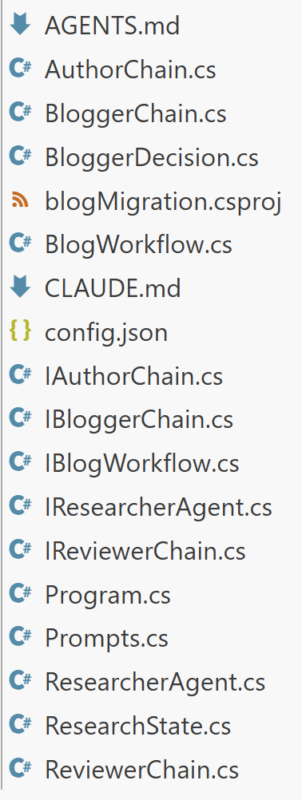
Migrating Agentic Code Python -> C# Part 1
YapCast – Jesse Liberty
In the last 5 posts we created an agentic application using Python. Let’s migrate that to C#. Here’s the set of files we’ll create: And here is the output after running it as a test using the prompt U...
Topics: C# OpenAI Semantic Kernel
Read article
The Day Deposits Doubled: Idempotency, Race Conditions, and a Lock That Saved Us
Medium
A real war-room story about duplicated deposits in production — why a check-then-insert idempotency guard isn’t enough under concurrency…
Topics: C# Design Patterns Performance
Read article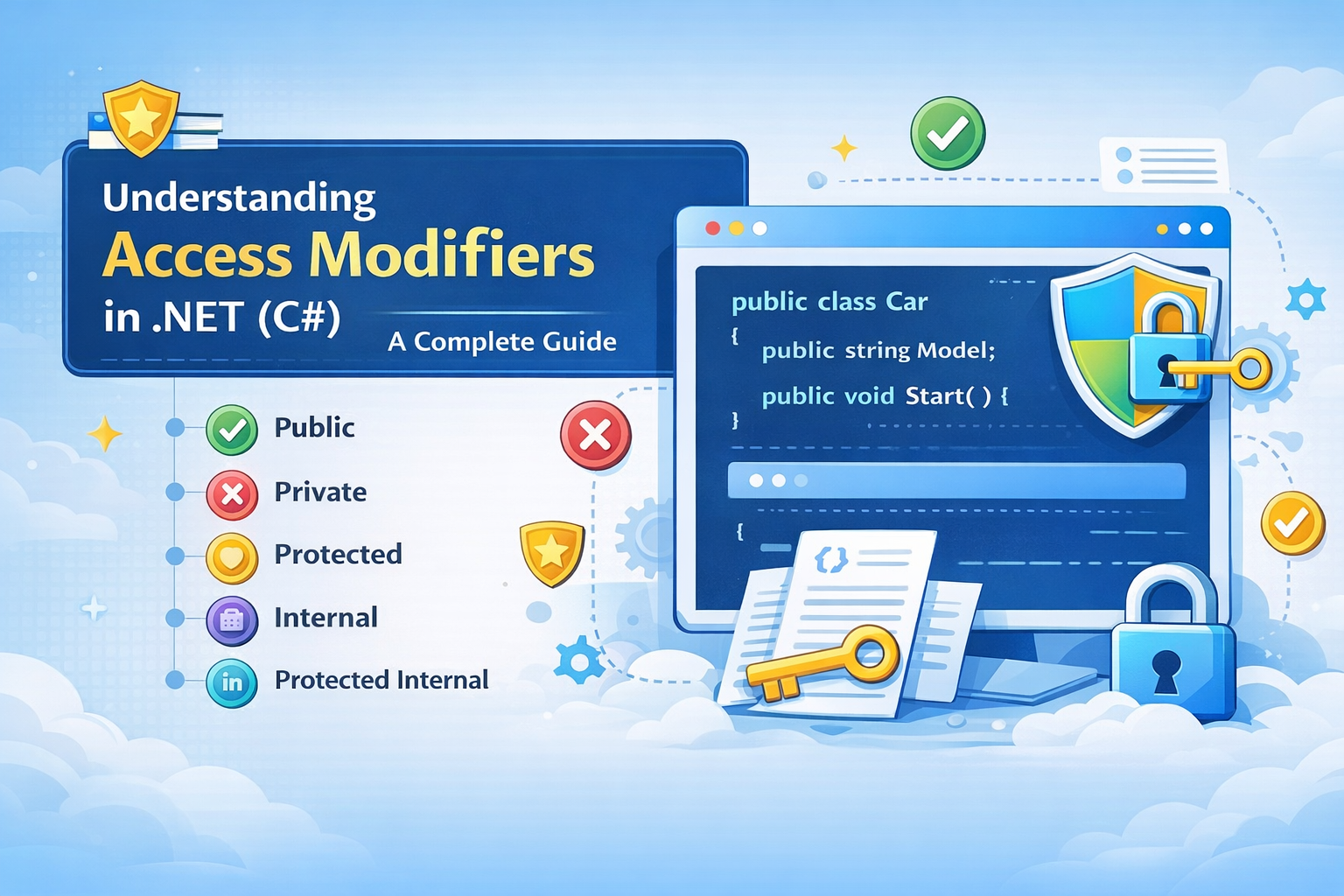
Understanding Access Modifiers in .NET (C#) — A Complete Guide
Medium
Access modifiers are one of the most fundamental concepts in .NET and C#. They control the visibility and accessibility of classes and…
Read article
Stop Rewriting. Start with Aspire.
YouTube
Skip the weekend of YAML and hand-rolled OTel. We'll tour the Aspire onboarding flow — aspire init and the new Aspireify agent skill — and let it modernize an existing .NET app live. The legendary MVC...
Topics: ASP.NET Core .NET Aspire OpenTelemetry
Read article
Adding AI to your .NET app: simpler than it sounds
Medium
By a fellow .NET dev who finally stopped overthinking this
Read article
Build your own claw and agent harness with Microsoft Agent Framework
Microsoft Dev Blogs
What does it take to build your own "claw" - a capable, CLI-style agent that can plan, use tools, remember things, and safely act on your behalf? Coding agents and assistants like these can feel like ...
Topics: C# Design Patterns OpenAI
Read article
How to Build Production-Ready Semantic API Gateways in ASP.NET Core
C# Corner
Build intelligent, production-ready semantic API gateways in ASP.NET Core. Understand intent, enrich requests, and simplify backend integration with AI.
Topics: ASP.NET Core OpenAI Web API
Read article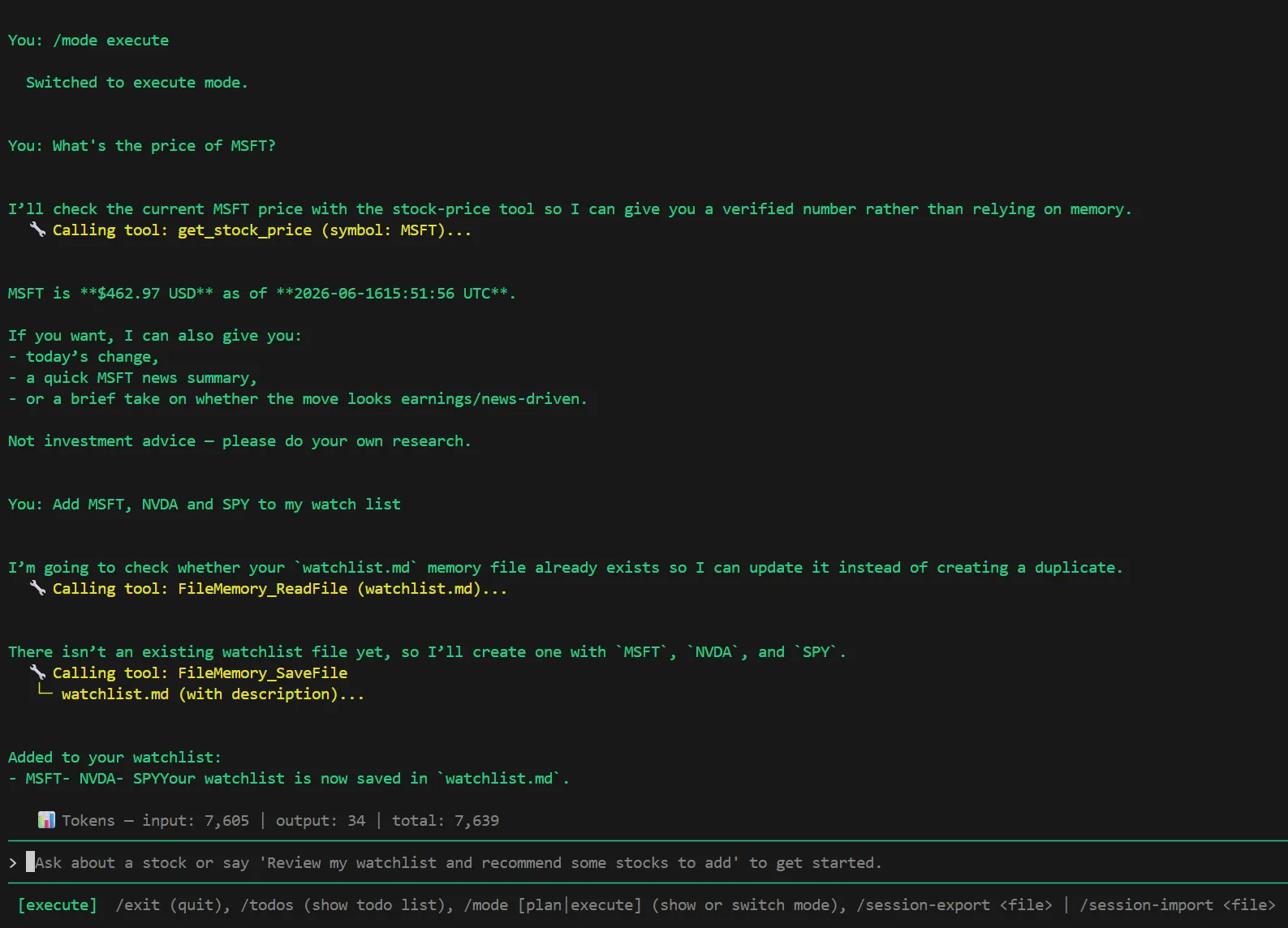
Meet your agent harness and claw
Microsoft Dev Blogs
Part 1 of Build your own claw and agent harness with Microsoft Agent Framework. In the
Read article
AI-Powered Test Case Generation for Enterprise .NET Applications
C# Corner
Automate .NET test case generation with AI. Enhance coverage, reduce errors, and accelerate enterprise application delivery.
Topics: C# OpenAI Unit Testing
Read article
Designing AI-Native Background Processing Systems with ASP.NET Core
C# Corner
Design AI-native background processing systems with ASP.NET Core. Explore patterns for scalable, reliable AI workloads.
Topics: ASP.NET Core Design Patterns OpenAI
Read article
Designing AI Workflows with Durable Functions and Azure OpenAI
C# Corner
Design scalable AI workflows with Durable Functions & Azure OpenAI. Orchestrate complex tasks, manage state, and integrate AI for enterprise solutions.
Topics: Azure Azure Functions OpenAI
Read articleCase‑Insensitive JSON Schema Validation in .NET: Customizing String Comparison
blog.devgenius.io
By the spec, JSON Schema compares strings exactly — code point for code point. Here’s how to make enum, const, and uniqueItems… Continue reading on Dev Genius »
Topics: C# System.Text.Json
Read article
Process API improvements in .NET 11
C# Digest
how the team made the biggest update to it in years
Topics: .NET 10 Performance
Read article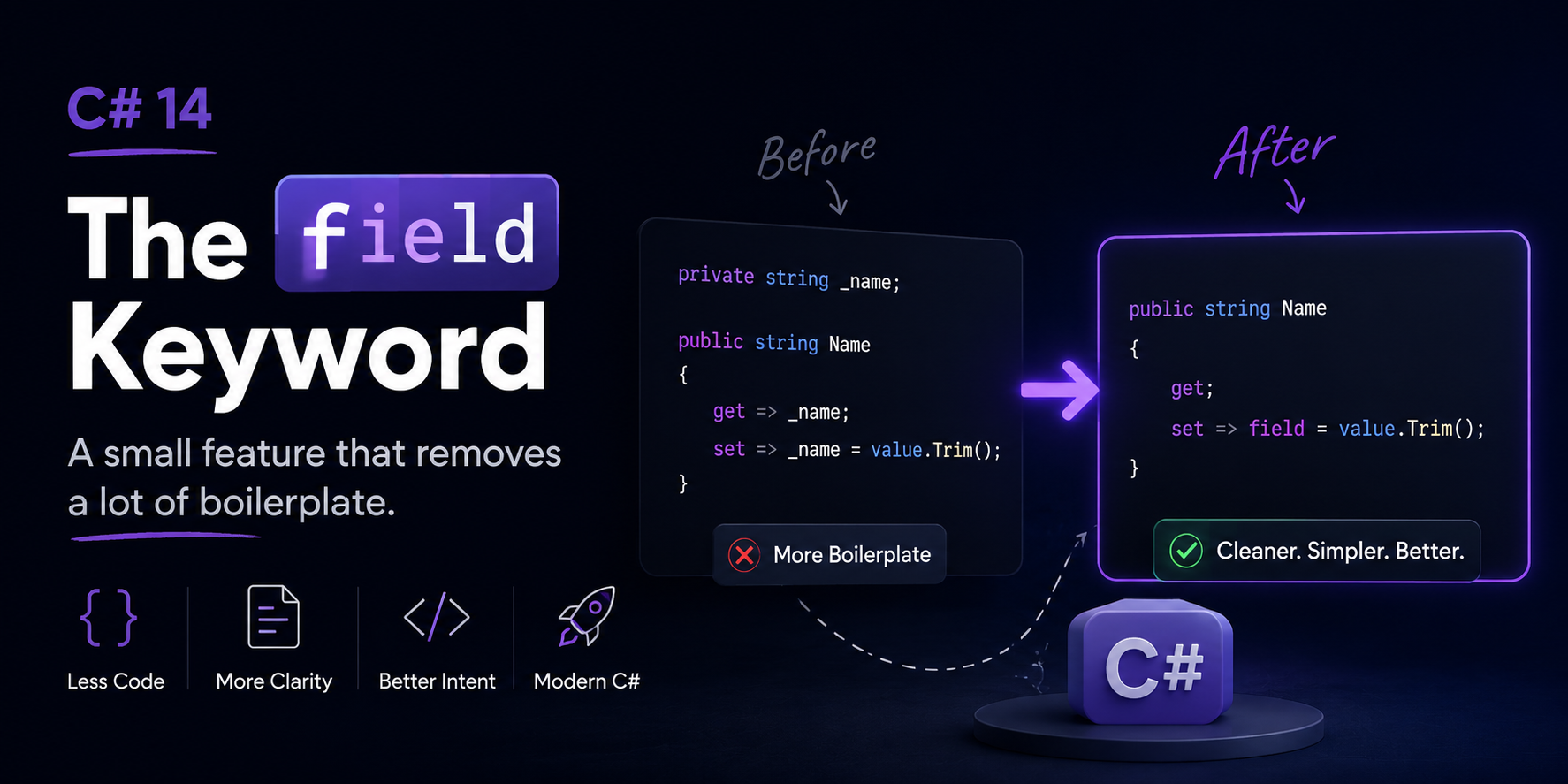
The field Keyword in C# 14 — A Small Feature That Removes a Lot of Boilerplate
Medium
If you’ve worked with C# long enough, you’ve probably written code like this countless times:
Read articleMigrating 200 Million Records in .NET: From Row-by-Row to a Crash-Safe Batched Pipeline
Medium
A real-world walkthrough of how we rewrote a data migration four times before it was production-ready
Topics: C# Performance SQL Server
Read article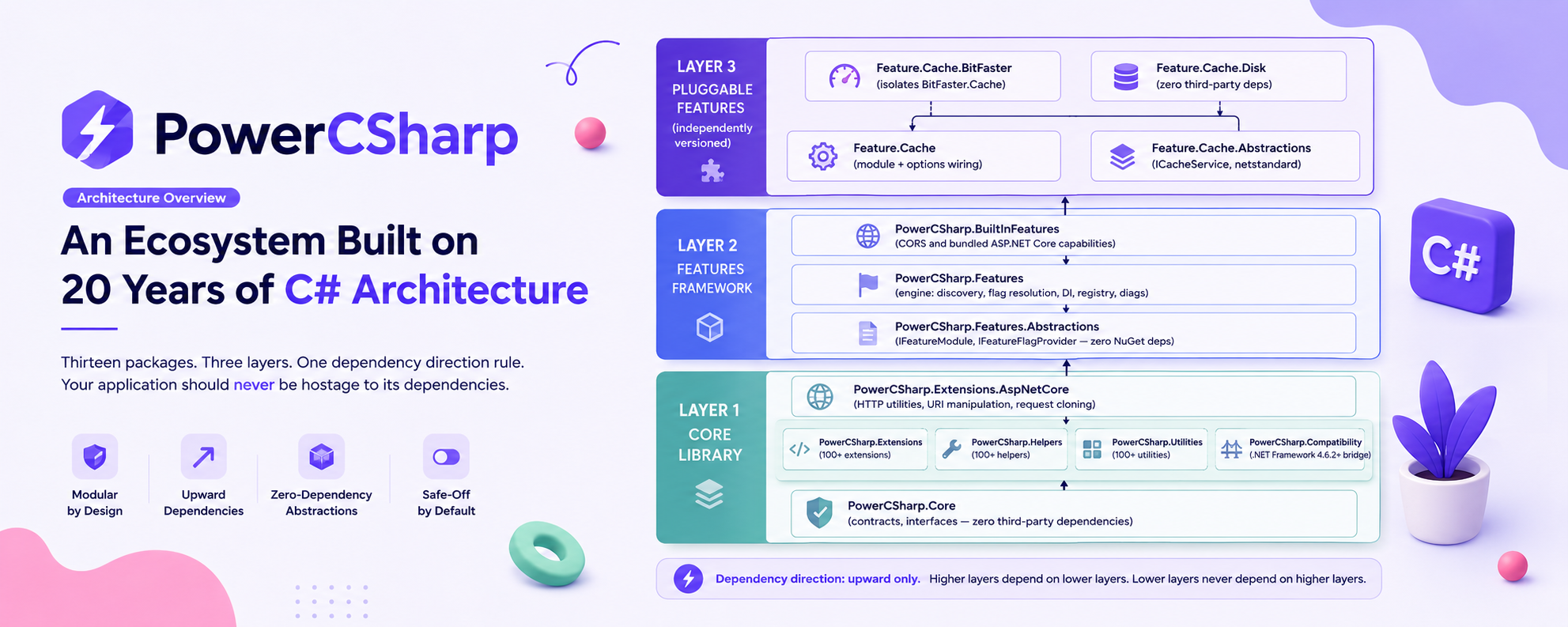
Designing a Feature Module Engine for .NET: Architectural Decisions Behind PowerCSharp.Features
Medium
How a composite flag resolver, opt-in discovery, and ASP.NET Core conventions combine into a production-grade modular capability system.
Topics: ASP.NET Core Clean Architecture Design Patterns
Read article
How to Set a Default Value in ASP.NET DropDownList (Static and Dynamic)
C# Corner
Learn how to set a default value in ASP.NET DropDownList for both static and dynamic data sources. Step-by-step guide with code examples to bind grids based on selected values.
Topics: ASP.NET Core ASP.NET MVC
Read article
Building AI-Powered Architecture Review Assistants with ASP.NET Core
C# Corner
Build AI-powered architecture review assistants with ASP.NET Core to automate analysis, identify risks, and enhance expert decision-making in enterprise development.
Topics: ASP.NET Core Clean Architecture OpenAI
Read articleHow to Build AI-Driven API Versioning Strategies in ASP.NET Core
C# Corner
Master AI-driven API versioning in ASP.NET Core. Detect breaking changes, automate migration guides, and ensure seamless API evolution.
Topics: ASP.NET Core OpenAI Web API
Read article
IO Performance: Reuse HttpClient to Avoid Connection Overhead
dotNetTips.com
When populating collections in .NET, choosing the right bulk operation improves both clarity and efficiency. Methods like AddRange() and InsertRange() allow multiple items to be added in a single call...
Topics: .NET Core Performance
Read article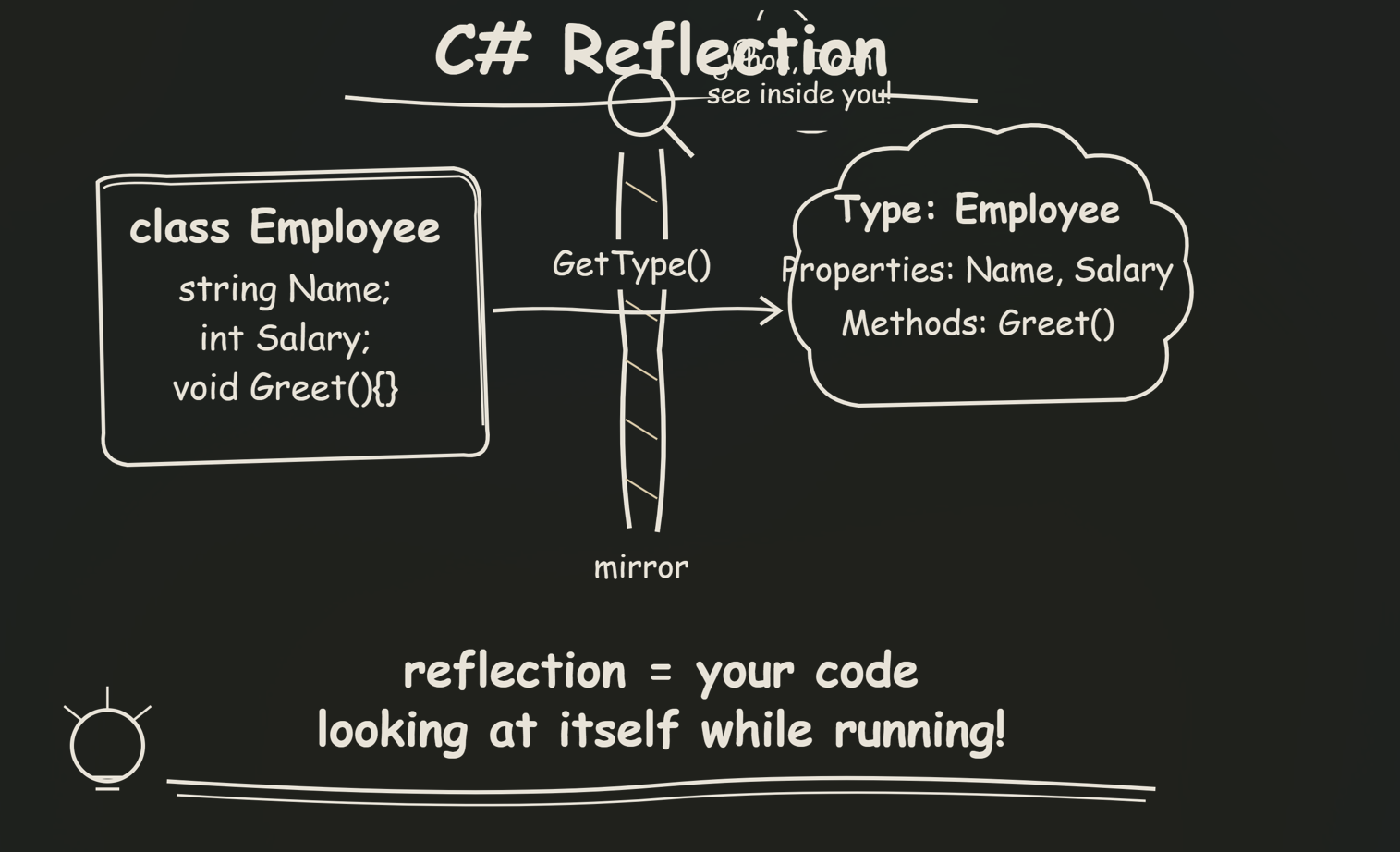
Reflection in C#: The “X-Ray Vision” Superpower Every .NET Dev Should Know
Medium
By a fellow .NET dev who’s been in the trenches for years Continue reading on CodeToDeploy »
Read article
Building Intelligent API Documentation Portals with .NET and Azure AI
C# Corner
Build intelligent API documentation portals with .NET & Azure AI. Automate generation, improve accuracy, and enhance developer experience.
Read article
C# 14 Key Features You Need to Know — Explained Simply
C# Corner
Discover the key features of C# 14, the latest language version shipping with .NET 10. This blog breaks down extension members, the field keyword, null-conditional assignment, implicit Span conversion...
Read article
How to Modernize Legacy .NET Applications Using AI-Powered Code Analysis
C# Corner
Modernize legacy .NET apps faster with AI code analysis. Understand, refactor, and secure your codebase efficiently.
Topics: .NET Framework OpenAI Security
Read articleASP.NET Core Identity with JWT Authentication - Step-by-Step Practical Guide
C# Corner
Master ASP.NET Core Identity & JWT for secure user registration, login, and role-based API authorization. A practical step-by-step guide.
Topics: ASP.NET Core Authentication JWT
Read articleI Built a Claude Code Skill That Scaffolds My .NET Architecture
codewithmukesh
Teach Claude Code your conventions once. Build a custom skill that scaffolds a full vertical slice in .NET 10 - endpoint, handler, validator, EF config, and test - your way.
Topics: Clean Architecture .NET 10 GitHub Copilot
Read articlePolicy-Based Authorization in ASP.NET Core - A .NET 10 Guide
codewithmukesh
Build policy-based authorization in ASP.NET Core .NET 10 - requirements, handlers, AddAuthorizationBuilder, IAuthorizationRequirementData, fallback policies.
Topics: ASP.NET Core Authorization .NET 10
Read article