apis
REST API Development in C# Articles, Tutorials & News
REST API Development in C# articles, tutorials, and news from the DotNetNews archive.
134 articles Updated
REST API in C# is the focus of this topic page. REST API Development in C# is a recurring focus for C# and .NET developers working in the Microsoft ecosystem. Intermediate and senior .NET developers use this hub to scan practical writing without treating every link as an endorsement.
Recurring subtopics in recent issues include REST API in C#, REST API ASP.NET Core, RESTful API .NET, and HTTP API C#. Those themes are drawn from titles and excerpts in the newest archive entries for this tag, not from a marketing outline.
Expect publisher tutorials, release notes, architecture write-ups, and field notes linked from DotNetNews issues. Start here is a short editorial shortlist for REST API Development in C#; the archive list is chronological and larger. Secondary angles such as REST API in C# and REST API ASP.NET Core appear when the archive actually covered them. Nearby reading often overlaps with ASP.NET Core Web API and ASP.NET Core Minimal APIs.
Start here
Editor picks for REST API
-

gRPC vs REST APIs: Performance, Scalability, and Use Cases Compared
C# Corner Issue #495
Good side-by-side refresher on protocol tradeoffs when teams default to REST without revisiting internal service requirements.
-
Get Service Connections with the Azure DevOps API (REST and TypeScript)
I CAN MAKE THIS WORK Issue #493
Useful nuts-and-bolts Azure DevOps API post. I appreciate seeing both curl and TypeScript instead of a hand-wavy overview.
-

Essential Patterns for Building Production-Ready REST APIs in .NET 8
C# Corner Issue #489
A broad API patterns roundup covering structure, validation, errors, and logging in .NET 8.
-
RESTful API Best Practices for .NET Developers (.NET 10) – The Complete 2026 Guide to Production-Ready APIs
codewithmukesh Issue #480
Strong checklist material for teams standardizing APIs on .NET 10, especially around idempotency and error contracts.
-

8 “Finally Maintainable” Steps to Build a CRUD REST API with Clean Architecture + DDD in .NET
Medium Issue #369
A maintainable CRUD guide with Clean Architecture and DDD is always welcome, especially for teams standardizing API structure.
-

Best Practices For Building REST APIs
Dev Tips Issue #352
Solid REST API fundamentals never really go out of style.
-
Mastering REST APIs in ASP.NET Core and C#: A Complete Guide for .NET Developers
Medium Issue #298
A useful REST refresher that stays close to how ASP.NET Core apps are actually built.
-
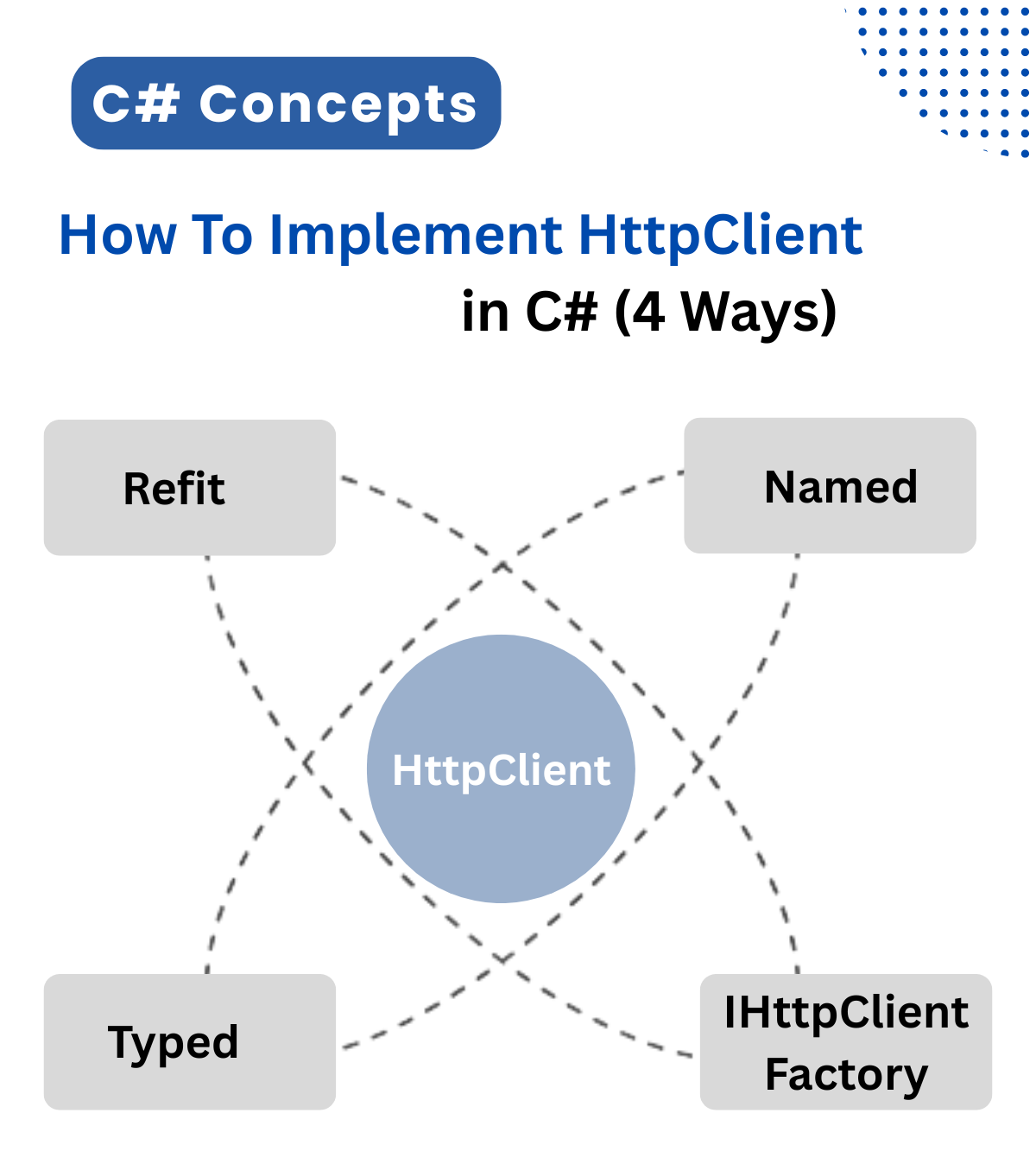
How To Implement HttpClient in C# (4 Ways)
Medium Issue #286
HttpClient in .NET simplifies calling REST APIs by sending HTTP requests and receiving responses.
Archive
Page 1 of 6
Newest first
-

Step-by-Step Guide to Create Your First Dataverse Custom API
C# Corner - Arun Potti Issue #559
-

Committed but Unconfirmed: Handling a Lost Response After a Successful Save
C# Corner - dhana gani Issue #558
-
What I Wish I Knew Before Building APIs in ASP.NET Core
Medium - Somnath Mukherjee Issue #555
Leaked entities, 9-second endpoints, and a breaking change I never saw coming. Here’s what I’d tell my past self.
-
The Day One Downstream API Took Down Our Service
Medium - Anirban Banerjee Issue #554
It started with a few slow API calls.
-

Swagger vs. Scalar: A comparison for ASP.NET Core developers
elmah.io Blog - .NET Technical tutorials/guides and new features - Ali Hamza Ansari Issue #550
Swagger UI used to ship by default with ASP.NET Core API projects, but recent .NET versions replaced it with a bare OpenAPI document. This post compares Swagger and Scalar as documentation UIs, walks ...
-
Avoid API Breaking Changes
codeopinion.com Issue #549
Have you ever changed your backing data model and then all of a sudden all your clients explode? It’s not because you broke your code. You broke your contract. Most times API breaking changes occur be...
-
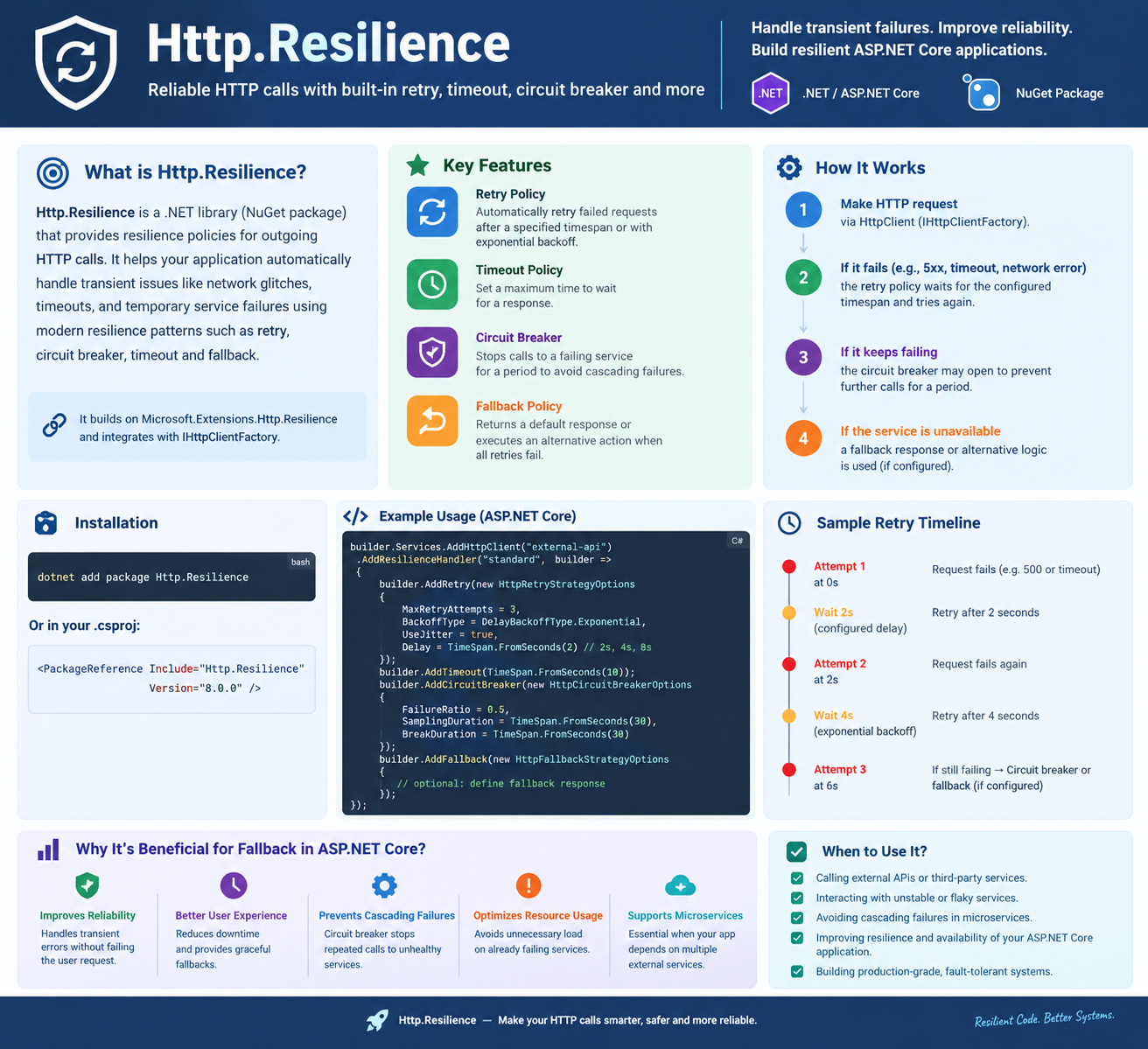
Building More Resilient ASP.NET Core Applications with Http.Resilience
Medium Issue #545
When your ASP.NET Core application depends on external APIs, temporary failures are inevitable — network glitches, timeouts, 5xx responses…
-

GraphQL for Beginners
C# Corner Issue #544
Learn GraphQL for beginners by comparing it with REST and gRPC, understanding queries, mutations, subscriptions, schemas, over-fetching, under-fetching, N+1 queries, and practical API use cases.
-

Building Apps That Live Inside Someone Else’s Software
Medium Issue #542
What we learned building inside Reapit’s AppMarket
-

Guidelines for Tuning Circuit Breaker Settings Effectively
Medium Issue #541
This article explores the Circuit Breaker resilience strategy in Polly, emphasizing its use for HTTP client requests with .NET extensions…
-
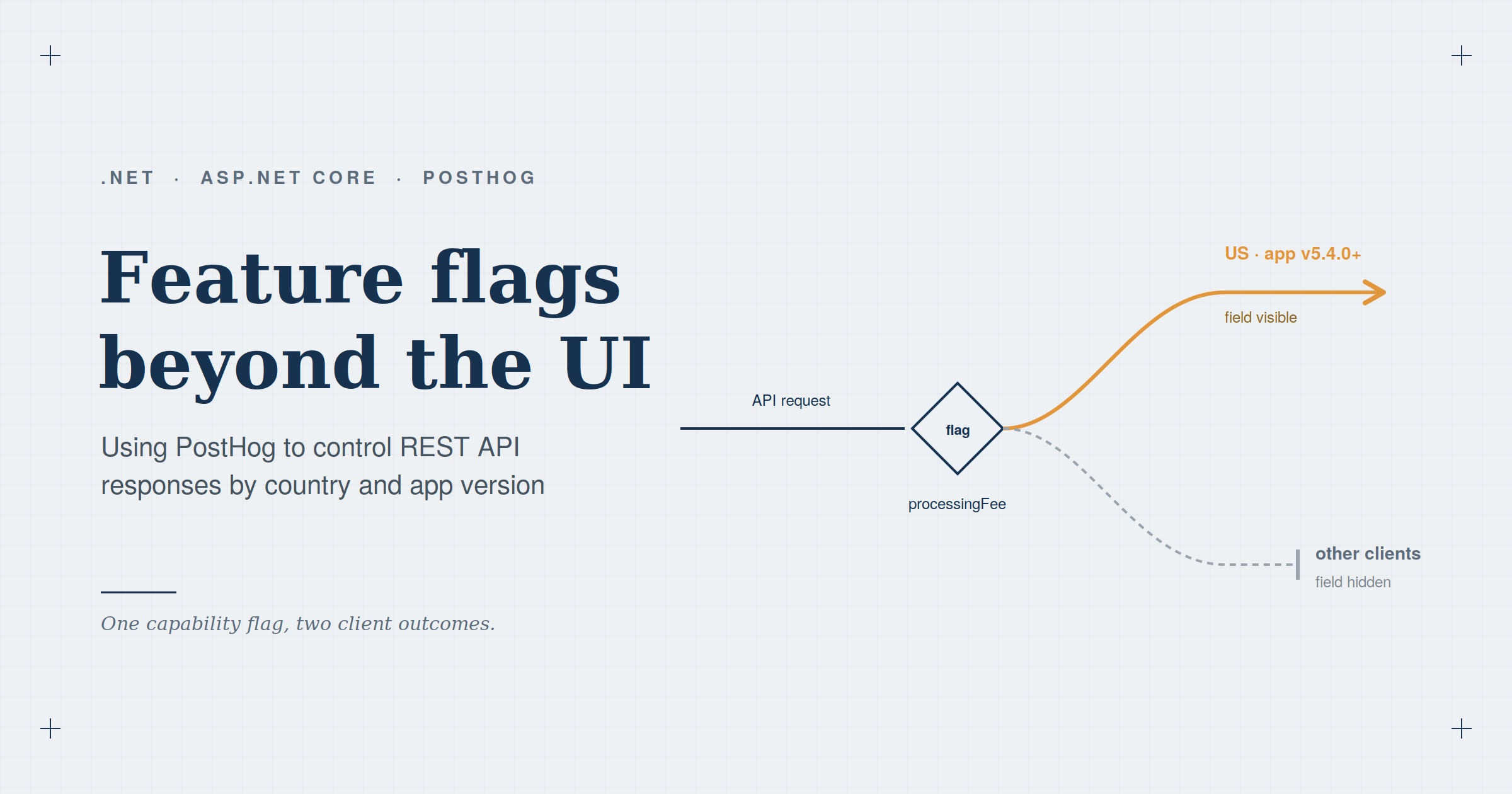
Feature Flags Beyond the UI
Medium Issue #532
Before getting into the code, it’s useful to understand the request flow end to end. A client request arrives at the ASP.NET Core REST API…
-
gRPC vs REST
C# Corner Issue #532
Learn what gRPC is, how RPC, Protobuf, and HTTP/2 work together, when to choose gRPC over REST, and how to use the different gRPC communication patterns in .NET.
-
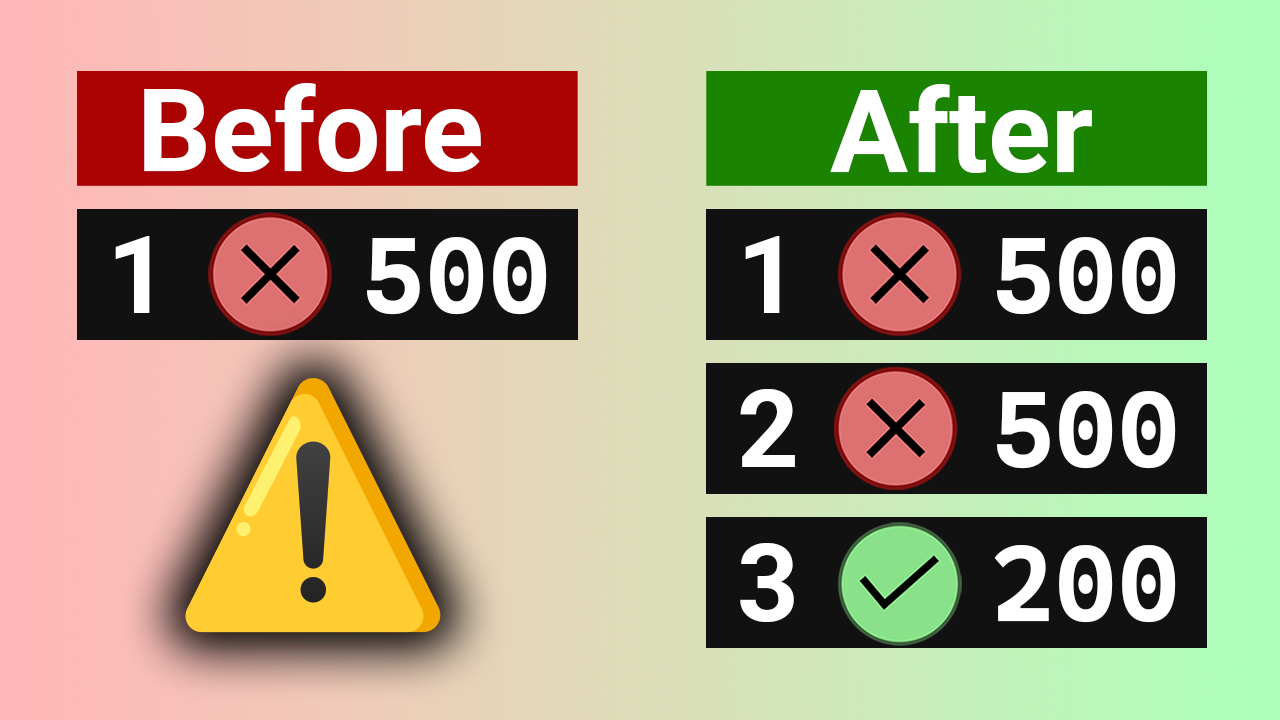
Stop ignoring API failures. Use Polly
Round The Code Issue #530
API calls fail. Learn how to add Polly to an ASP.NET Core Web API to handle retries, circuit breakers and timeouts.
-

Building DNS Failover Detection with .NET and Health Probes
C# Corner Issue #525
Build DNS failover detection with .NET health probes to identify resolution failures, service outages, endpoint changes, and application-level recovery conditions.
-
REST API Security Best Practices in ASP.NET Core
Medium Issue #521
It does not matter how clean your architecture is or how fast your queries run — if an attacker can read another user’s orders or forge a… Continue reading on CodeX »
-
Building DNS-Aware Failover Clients with .NET 11
C# Corner Issue #521
Build a DNS-aware failover client with .NET 11 that dynamically handles DNS changes, endpoint failures, recovery scenarios, and resilient service communication.
-

Resilient Microservices in .NET: Integrating Refit with Polly Circuit Breakers
C# Corner Issue #520
Secure .NET microservices with Refit & Polly circuit breakers. Prevent cascading failures and ensure resilience against HTTP dependency issues.
-
Delete Data in Bulk in Microsoft Dataverse Using C# and Web API
C# Corner Issue #520
Master Dataverse bulk data deletion using C# and Web API to optimize storage, boost performance, and manage costs efficiently.
-

Migrating MCP C# Servers from SDK 1.x to 2.0
C# Corner Issue #520
Migrate MCP C# servers from SDK 1.x to 2.0 with this guide. Learn about stateless HTTP, protocol negotiation, and API changes for a smooth transition.
-

ASP.NET Core REST API Development Guide
Facile Technolab Blog Issue #519
A practical guide to building REST APIs with ASP.NET Core — routing, controllers, versioning, authentication, validation, error handling, and OpenAPI docs.
-
API Versioning in ASP.NET Core: Strategies for Building Backward-Compatible APIs
C# Corner Issue #510
Master ASP.NET Core API versioning. Learn strategies like URL path, query string, and header versioning to build backward-compatible APIs and ensure smooth client upgrades.
-

Understanding the Fetch Metadata HTTP headers: Sec-Fetch-Site and friends
Andrew Lock | .NET Escapades Issue #510
In this post I describe the Fetch Metadata HTTP headers like Sec-Fetch-Site and Sec-Fetch-Mode which give information to a server about the context of a request
-

Implementing the Outbox Pattern in ASP.NET Core for Reliable Event Publishing
C# Corner Issue #510
Ensure reliable event publishing in ASP.NET Core with the Outbox Pattern. Atomically save data & events, preventing loss during broker outages.
-
ASP.NET Core API Versioning Best Practices
C# Corner Issue #507
Master ASP.NET Core API versioning. Learn strategies, best practices, and how to avoid common mistakes for maintainable, scalable APIs.
-
API Evolution in ASP.NET Core Without Breaking Clients: Versioning and Compatibility Strategies
C# Corner Issue #506
Safely evolve ASP.NET Core APIs with versioning strategies, compatibility guidelines, and deprecation planning to avoid breaking clients.