general
FluentValidation for ASP.NET Core Articles, Tutorials & News
FluentValidation for ASP.NET Core articles, tutorials, and news from the DotNetNews archive.
26 articles Updated
FluentValidation ASP.NET Core is the focus of this topic page. FluentValidation for ASP.NET Core sits in the ASP.NET Core and broader Microsoft web stack that most C# services use. Intermediate and senior .NET developers use this hub to scan practical writing without treating every link as an endorsement.
Recurring subtopics in recent issues include FluentValidation ASP.NET Core, FluentValidation C#, validation .NET, and FluentValidation rules. Those themes are drawn from titles and excerpts in the newest archive entries for this tag, not from a marketing outline.
Expect publisher tutorials, release notes, architecture write-ups, and field notes linked from DotNetNews issues. Start here is a short editorial shortlist for FluentValidation for ASP.NET Core; the archive list is chronological and larger. Secondary angles such as FluentValidation ASP.NET Core and FluentValidation C# appear when the archive actually covered them. Nearby reading often overlaps with ASP.NET Core and C# and .NET Unit Testing.
Each card points at the original publisher URL and the DotNetNews issue that carried it, so you can read the article in context or jump straight to the source.
Start here
Editor picks for FluentValidation
-
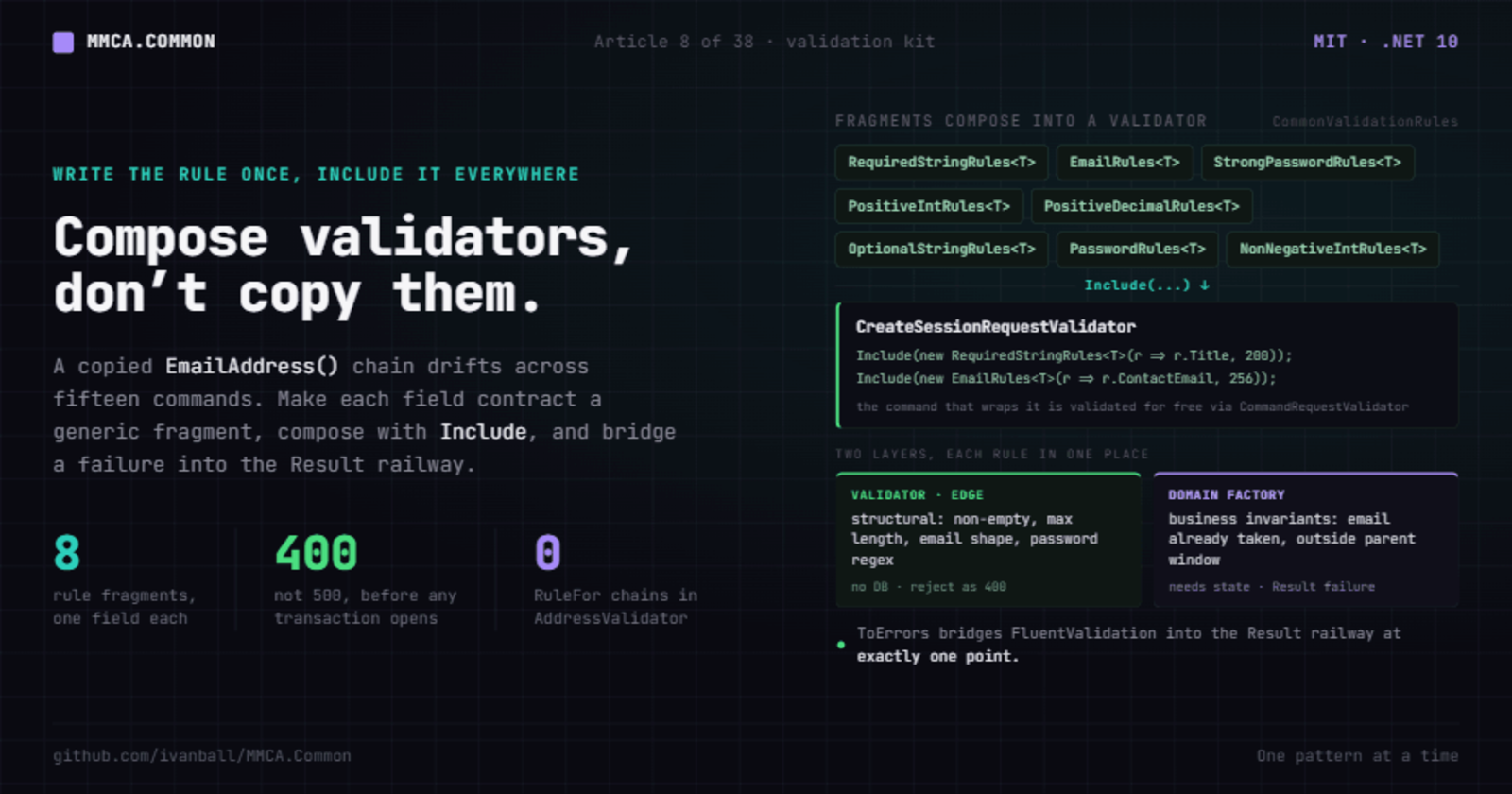
Compose validators, don’t copy them: a reusable FluentValidation kit
Medium Issue #499
“Email must be valid, password must be strong, name is required.” Every command re-declares those rules, and then they drift.
-

How to Structure Production Apps with Vertical Slice Architecture in .NET in 2026
Dev Tips Issue #476
Vertical slice architecture keeps showing up because it solves real team-scale organization problems.
-

FluentValidation in ASP.NET Core .NET 10 - Request Validation
codewithmukesh Issue #474
FluentValidation 12 with endpoint filters is the modern way to validate in .NET 10.
-

Validation with MediatR Pipeline Behavior and FluentValidation in .NET 10
codewithmukesh Issue #471
MediatR pipeline validation with FluentValidation, centralized command validation in .NET 10 applications.
-
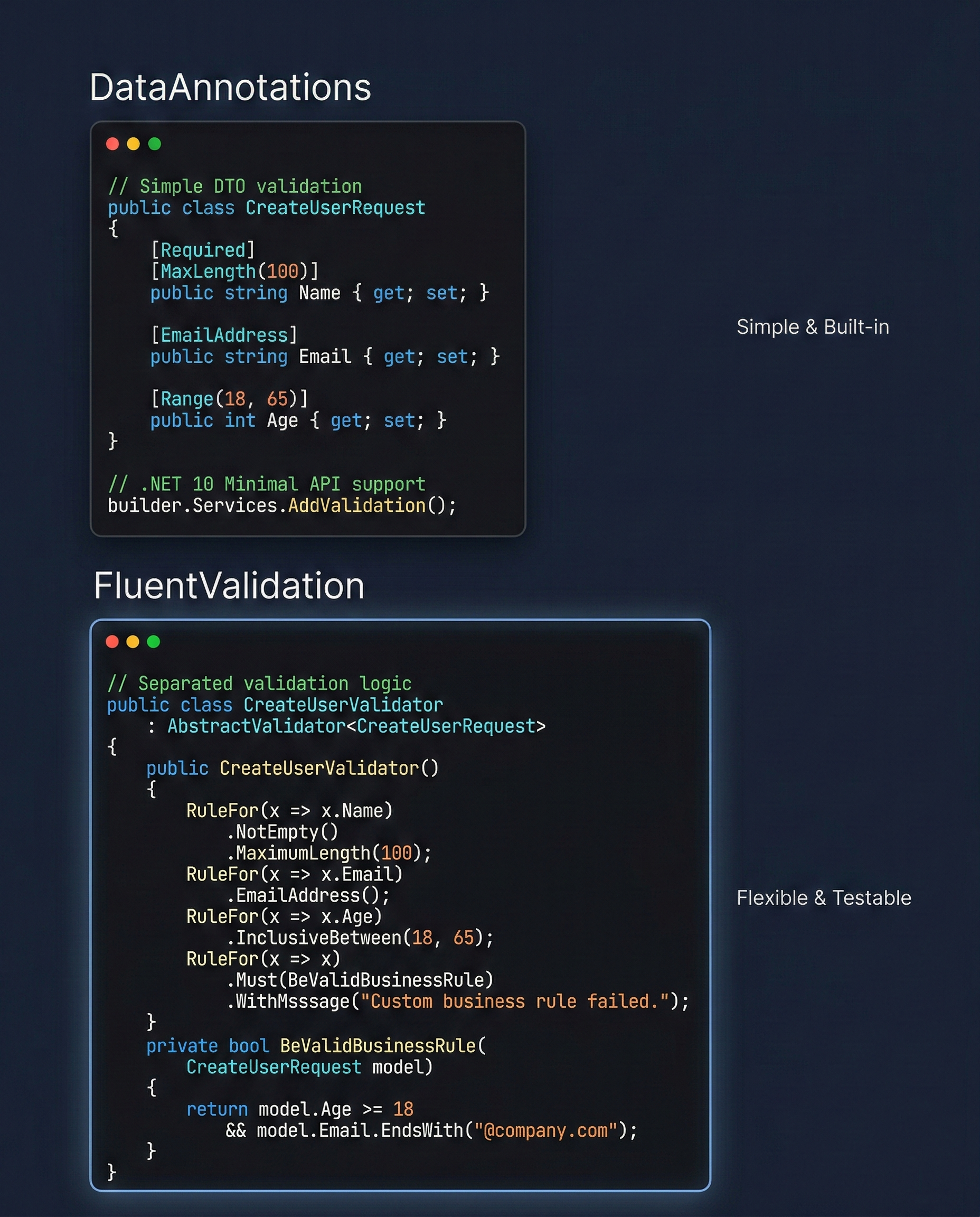
DataAnnotations or FluentValidation? Stop Picking One for Everything
Medium Issue #451
I keep getting the same question from .NET developers: “Should I use FluentValidation or DataAnnotations?”.
-
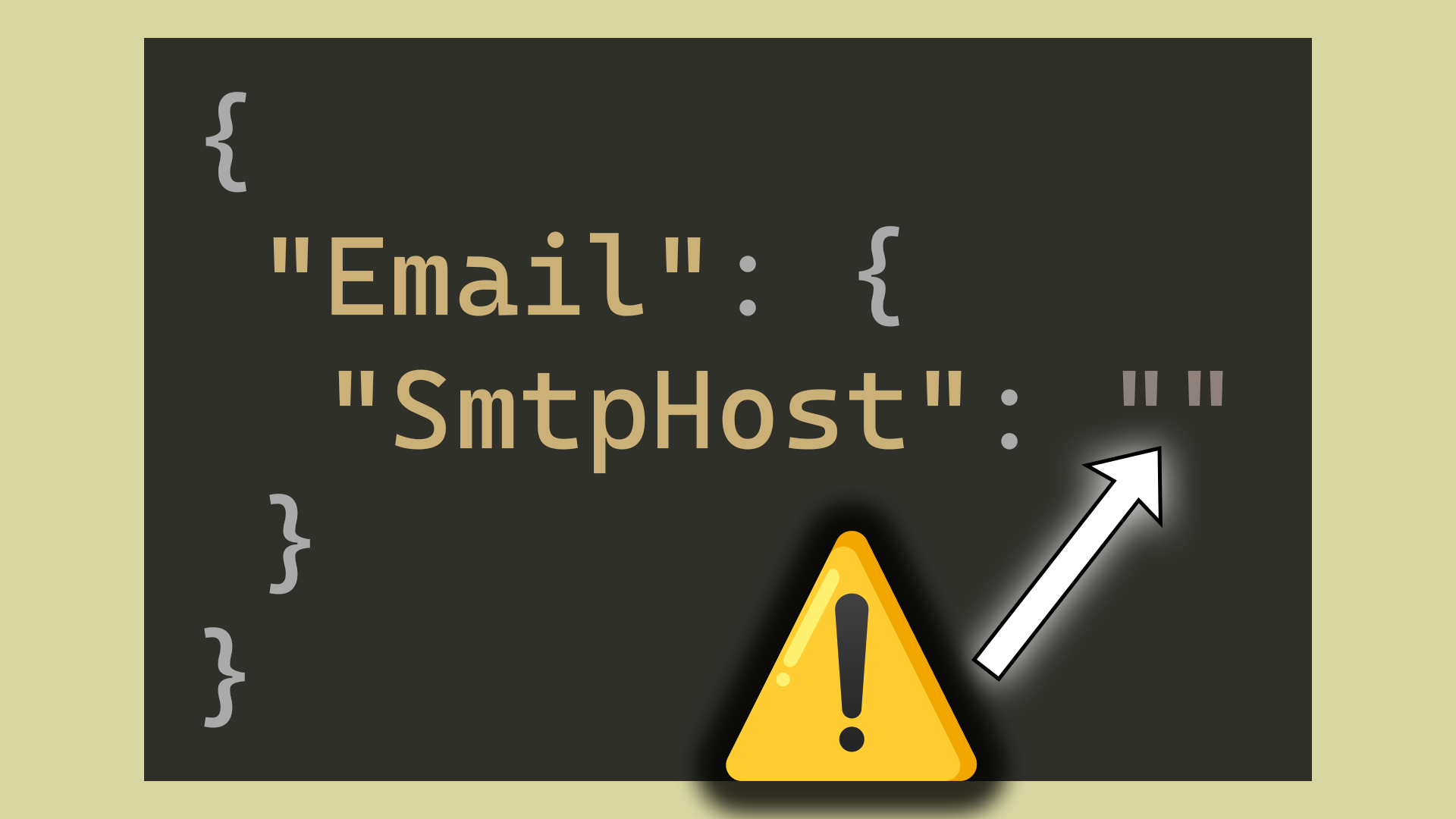
Validate .NET configuration on startup
Round The Code Issue #438
Fail-fast configuration validation is low drama and high value, and this piece walks through both annotations and FluentValidation options.
-

ASP.NET Core: Why I Couldn’t Upgrade FluentValidation Past 11.4 in My Calzolari.Grpc.AspNetCore.Validation Package (and How I Finally Fixed It)
Anthony Giretti's .NET blog Issue #436
A solid postmortem on package upgrade friction, with useful lessons for anyone shipping ASP.NET Core and gRPC integration libraries.
-

Zeta: It’s Time to Rethink Validation in .NET
Medium Issue #381
This validation rethink is worth a look if you’ve been relying on FluentValidation as the default for years.
Archive
Page 1 of 2
Newest first
-

JSON Schema Annotation Support for .NET Validator
blog.devgenius.io Issue #537
JSON Schema is usually introduced as a validation technology: given a schema and a JSON document, a validator tells you whether the… Continue reading on Dev Genius »
-

How to Validate Configuration in ASP.NET Core
Dev Tips Issue #533
Bad configuration should crash your app at startup, not deep in a request. Learn how to validate configuration in ASP.NET Core with Data Annotations and FluentValidation, and fail fast with ValidateOn
-
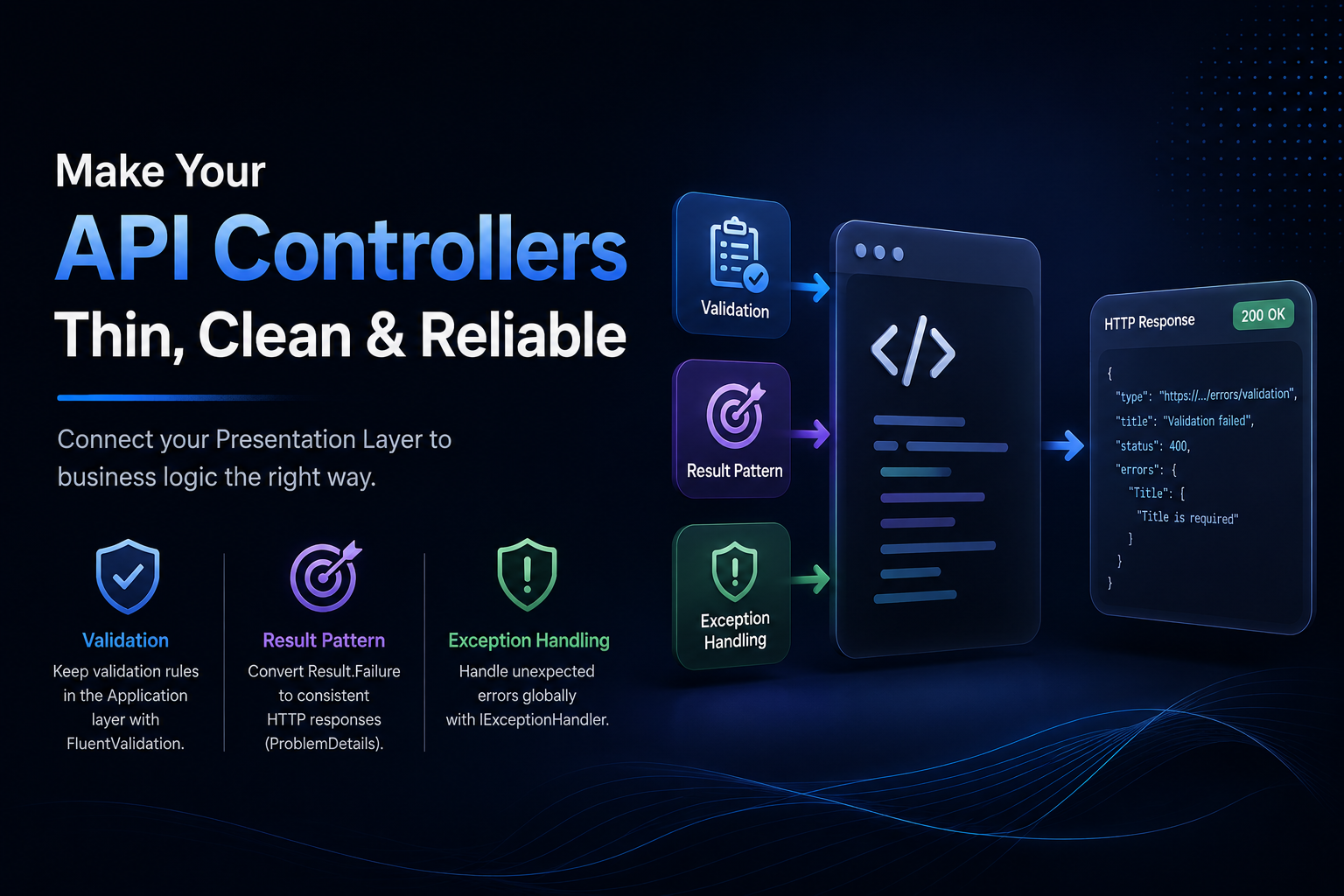
Keep Your Application Layer Clean: FluentValidation and Mapster in .NET Clean Architecture
Medium Issue #530
How to stop your services from drowning in if/else validation and manual mapping code
-

Build a .NET 10 Web API - Minimal APIs, EF Core & SQL Server
Round The Code Issue #527
Build a .NET 10 Web API with Minimal APIs, Entity Framework Core and SQL Server, using Clean Architecture and FluentValidation.
-

Your Validation Attributes Are Hiding Business Logic
Medium Issue #500
Where Data Annotations run out of road, and what replaces them.
-
Compose validators, don’t copy them: a reusable FluentValidation kit
Medium Issue #499
“Email must be valid, password must be strong, name is required.” Every command re-declares those rules, and then they drift. Here is a…
-
How to Structure Production Apps with Vertical Slice Architecture in .NET in 2026
Dev Tips Issue #476
A practical guide to structuring vertical slices in .NET projects. Learn the file-per-concern slice layout, manual handlers without MediatR, Minimal APIs via IApiEndpoint, Result , FluentValidation,
-
FluentValidation in ASP.NET Core .NET 10 - Request Validation
codewithmukesh Issue #474
Use FluentValidation 12 in ASP.NET Core .NET 10 - endpoint filters for Minimal APIs, async validators, custom rules, and a decision matrix vs Data Annotations.
-
Validation with MediatR Pipeline Behavior and FluentValidation in .NET 10
codewithmukesh Issue #471
Validate MediatR commands centrally in the pipeline with FluentValidation and IExceptionHandler in ASP.NET Core .NET 10 - clean handlers, one Problem Details response.
-
DataAnnotations or FluentValidation? Stop Picking One for Everything
Medium Issue #451
I keep getting the same question from .NET developers: “Should I use FluentValidation or DataAnnotations?”
-
Validate .NET configuration on startup
Round The Code Issue #438
Learn how to validate .NET configuration on startup using data annotations or FluentValidation, so your app fails fast and never ships with broken config. The page Validate .NET configuration on start...
-
ASP.NET Core: Why I Couldn’t Upgrade FluentValidation Past 11.4 in My Calzolari.Grpc.AspNetCore.Validation Package (and How I Finally Fixed It)
Anthony Giretti's .NET blog Issue #436
Context I’m the author of the Calzolari.Grpc.AspNetCore.Validation package, which provides request message validation for gRPC...
-
Zeta: It’s Time to Rethink Validation in .NET
Medium Issue #381
For most of my career, FluentValidation has been the unquestioned default for validation in .NET.
-

Does C# 14’s field Keyword Replace FluentValidation?
Medium Issue #365
The release of C# 14 came with loads of new features, the field keyword being one of them. When I read about it, I thought— what does this…
-

7 FluentValidation Recipes for Clean ASP.NET Controllers
Medium Issue #354
Move validation out of controllers with FluentValidation: complex rules, custom validators, and DI-powered async checks. Continue reading on .Net Code Chronicles »
-
Stop writing all validation logic inside your .NET Controllers
Medium Issue #352
Your controller should be a traffic cop not a security guard. Continue reading on Readers Club »
-
A Comprehensive Guide for FluentValidation in .NET
Medium Issue #352
Master object validation in .NET with clean, maintainable, and flexible validation rules
-

ASP.NET Core FluentValidation & AutoMapper Guide | Clean Data & Robust APIs (Part-38 of 40)
C# Corner Issue #321
Master ASP.NET Core data validation and object mapping with FluentValidation and AutoMapper! This guide provides a comprehensive walkthrough, from basic setup to advanced enterprise patterns. Build ro...
-

How To Implement Validation With MediatR And FluentValidation | Clean Architecture, DDD, .NET
Medium Issue #316
Validation isn’t glamorous — but it’s the guardian of your system’s integrity. It keeps invalid data from creeping into your domain…
-

FluentValidation for Busy .NET Devs
Medium Issue #307
If you’re still sprinkling if (model.Name == null) across controllers like fairy dust, your future self probably hates you a little…
-
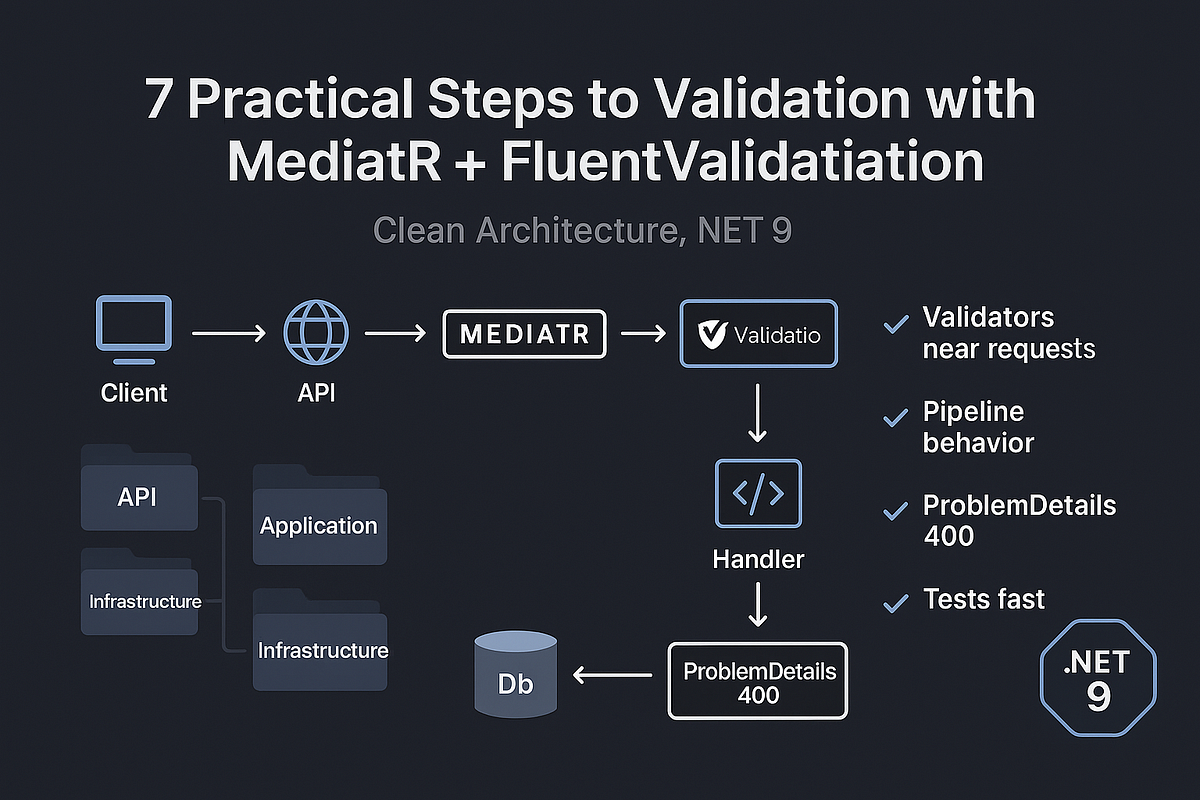
7 Practical Steps to Validation with MediatR + FluentValidation (Clean Architecture, .NET 9)
Medium Issue #303
You don’t need a cathedral of abstractions to validate requests. With MediatR and FluentValidation, you get clean, centralized validation…
-

Leveraging Fluent Validation in ASP.NET Core: Simplifying Model Validation
LinkedIn Issue #187
https://www.linkedin.com/pulse/leveraging-fluent-validation-aspnet-core-simplifying-model-karthik-n-9cxdc/
-

Options Pattern Validation in ASP.NET Core With FluentValidation
Milan's .NET Weekly Issue #162
https://www.milanjovanovic.tech/blog/options-pattern-validation-in-aspnetcore-with-fluentvalidation
-
Entity Framework, Scalar, MAUI, and validation
DotNetNews Issue #115
A varied .NET roundup covering Entity Framework patterns, Scalar CRUD calls, MAUI app work, SOLID, validation, and testing basics.
-
LINQ, validation, and ASP.NET Core
DotNetNews Issue #57
Issue #57 covers new C# 13 LINQ methods, FluentValidation, ASP.NET Core security and performance tips, plus .NET 9 and AI sample updates.