AI agents, architecture, and EF Core
Covers MCP request tracing, architectural tests, startup config validation, Roslyn suppression, EF Core, JWT auth, and .NET 10 architecture guidance.
Jasen's top three picks
- 1 Visualizing Claude Code MCP Requests with Coding Agent Explorer
Personal Blog of Tore Nestenius | Insights on .NET, C#, and Software Development
Useful look at making MCP traffic visible, which matters if you're trying to reason about what an AI coding agent is actually doing.
- 2 Architectural Tests in .NET
Medium
Architectural tests are one of the better ways to keep intended boundaries from eroding as a .NET codebase grows.
- 3 How to send Slack messages using Azure Logic Apps: built-in connector vs Slack APIs
Code4IT
A practical comparison that should help anyone choosing between Logic Apps convenience and the flexibility of calling Slack APIs directly.
Editor's note
I pulled together another intentionally mixed issue here, which is usually where the best practical reads show up. The MCP request visualization piece stood out because observability for coding agents is quickly becoming real engineering work, not novelty. I also liked the architectural testing and startup configuration validation articles because they address the kind of guardrails that keep mature .NET systems from drifting.
Today's articles
Visualizing Claude Code MCP Requests with Coding Agent Explorer
Personal Blog of Tore Nestenius | Insights on .NET, C#, and Software Development
Model Context Protocol (MCP) servers are becoming a key part of how Claude Code extends its capabilities. They give the agent access to documentation, code search, external APIs, and much more. But wh...
Topics: GitHub Copilot OpenAI
Read article
Architectural Tests in .NET
Medium
Every codebase has an intended shape. Maybe not every single one, but in any non-trivial system, some level of consistency is essential.
Topics: Clean Architecture Unit Testing
Read article
How to send Slack messages using Azure Logic Apps: built-in connector vs Slack APIs
Code4IT
As you may know, you can send Slack notifications using Azure Logic Apps. Yes, there is a built-in connector; but, frankly, using the Slack API gives you better results.
Topics: Azure
Read article
Refactoring to SOLID in C#
Sound Code - Mark Heath's Blog
It aims to provide C# developers with practical techniques and strategies to tackle the unique challenges of working in legacy codebases, such as dealing with technical debt, modernizing outdated depe...
Topics: C# Solid Principles
Read article
Suppressing Roslyn Analyzer Warnings Programmatically using DiagnosticSuppressor
Meziantou's blog
Roslyn analyzers are great for enforcing coding standards and finding bugs. However, they can sometimes report false positives or warnings you want to ignore in specific contexts. You can suppress the...
Read article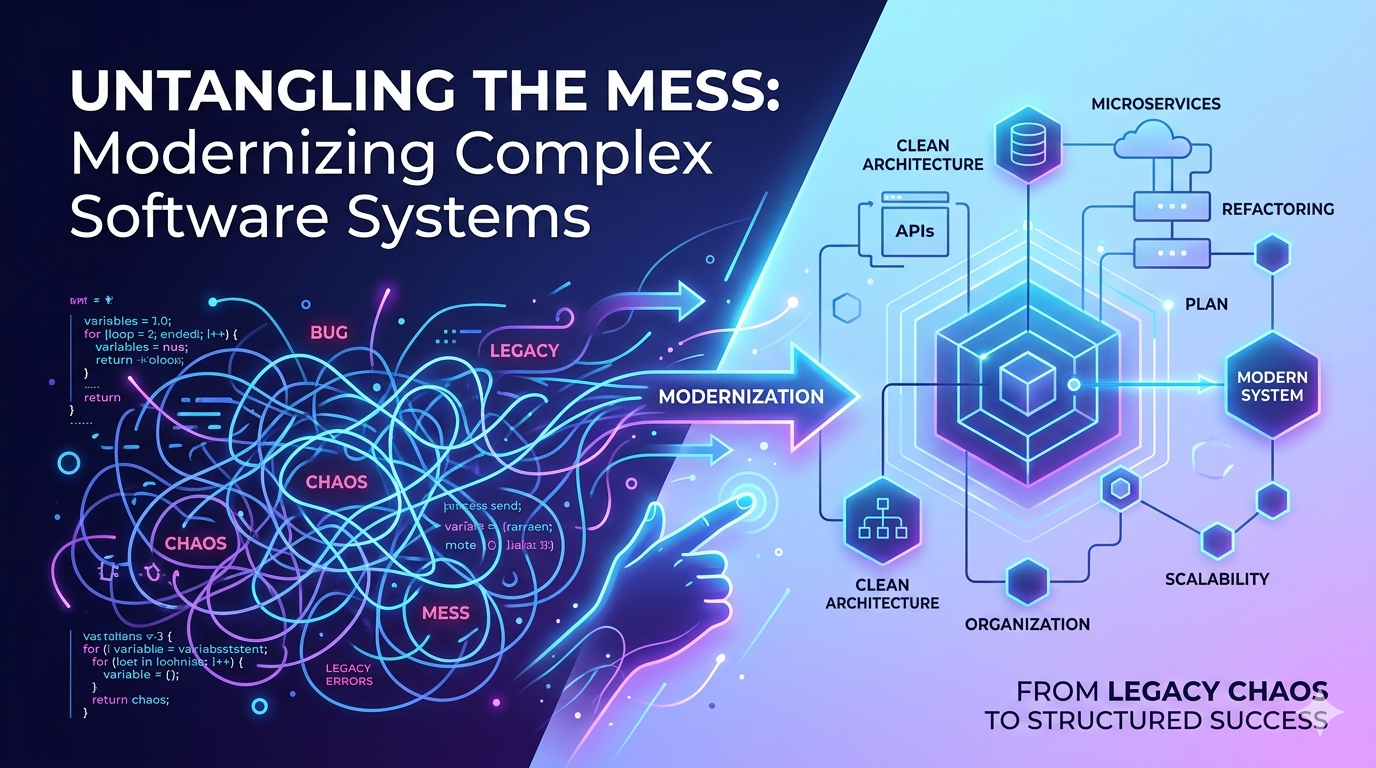
Your Migration’s Source of Truth: Why the Assessment Phase Changes Everything in .NET Modernization
towardsdev.com
A few weeks ago, I found myself thinking about something many developers eventually face — but rarely feel fully prepared for: Continue reading on Towards Dev »
Topics: .NET Core
Read article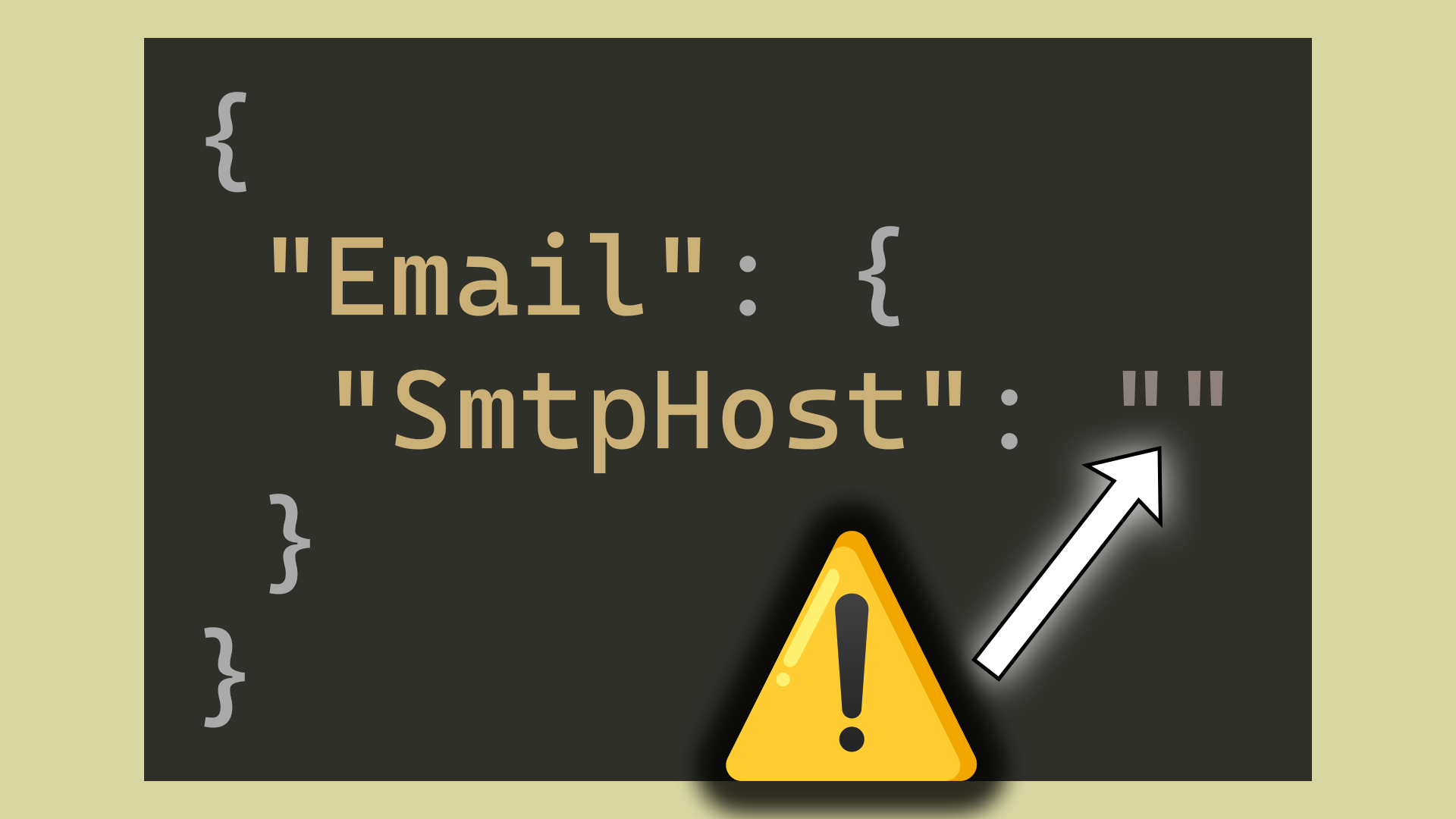
Validate .NET configuration on startup
Round The Code
Learn how to validate .NET configuration on startup using data annotations or FluentValidation, so your app fails fast and never ships with broken config. The page Validate .NET configuration on start...
Topics: .NET Core FluentValidation
Read article
510: AI Agents: Claws, Copilot, GUI vs CLI Debate
Merge Conflict
James and Frank dig into the messy world of AI agents—Claudes, Copilots, “claws”—and why now is the wrong time to over-box these tools. They debate GUI vs. CLI futures, explain when AI should be invis...
Topics: GitHub Copilot OpenAI
Read article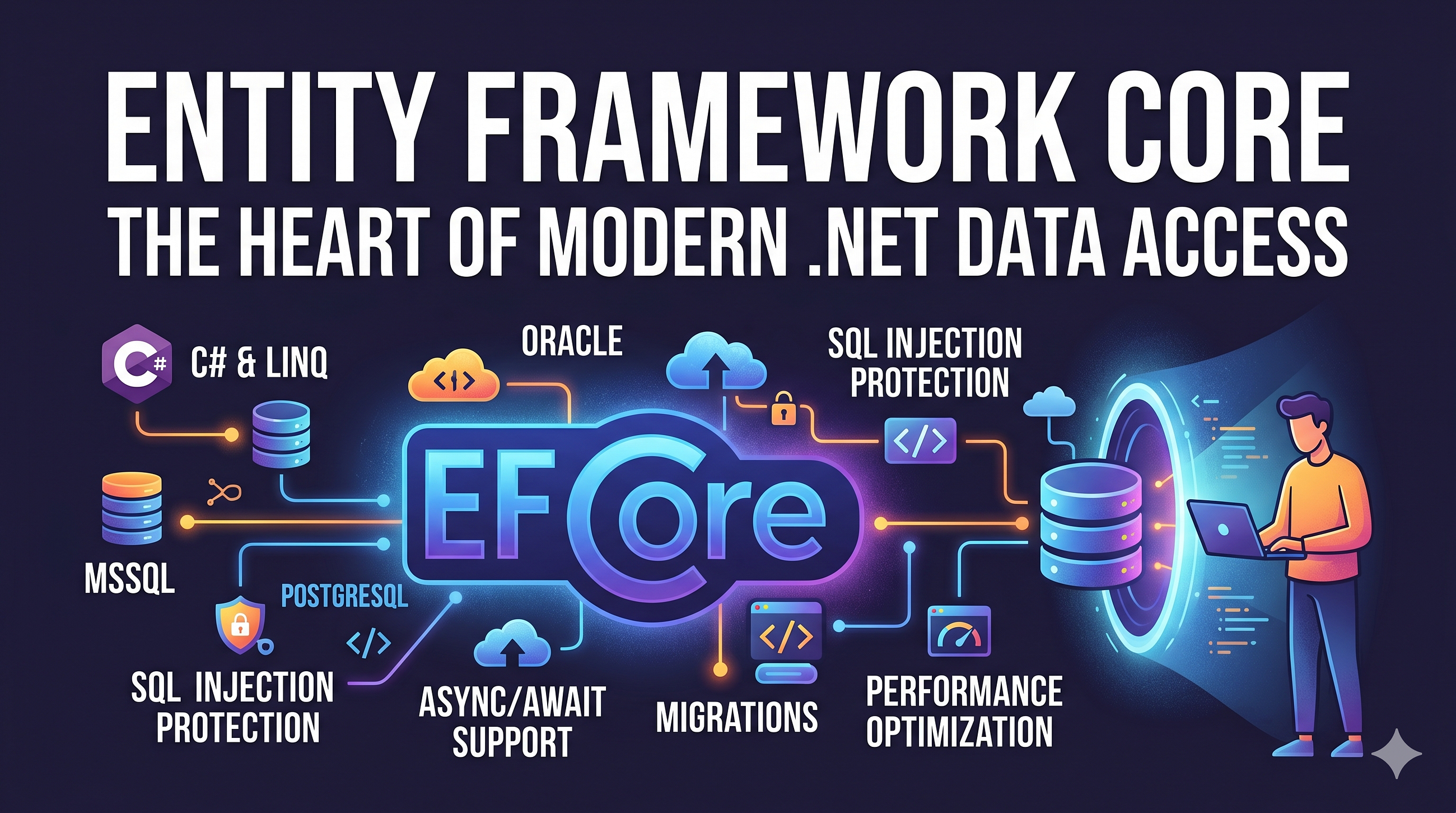
Entity Framework Core: Perhaps the Most Beloved Tool of the .NET World
Medium
Entity Framework Core (EF Core) has become one of the most widely used and appreciated tools in the ASP.NET
Topics: EF Core
Read article
OOP in C# — Deeper Understanding for Freshers
C# Corner
Unlock the power of OOP in C#! This beginner-friendly guide simplifies encapsulation, inheritance, polymorphism, and abstraction with real-world examples. Build better C# applications!
Topics: C#
Read article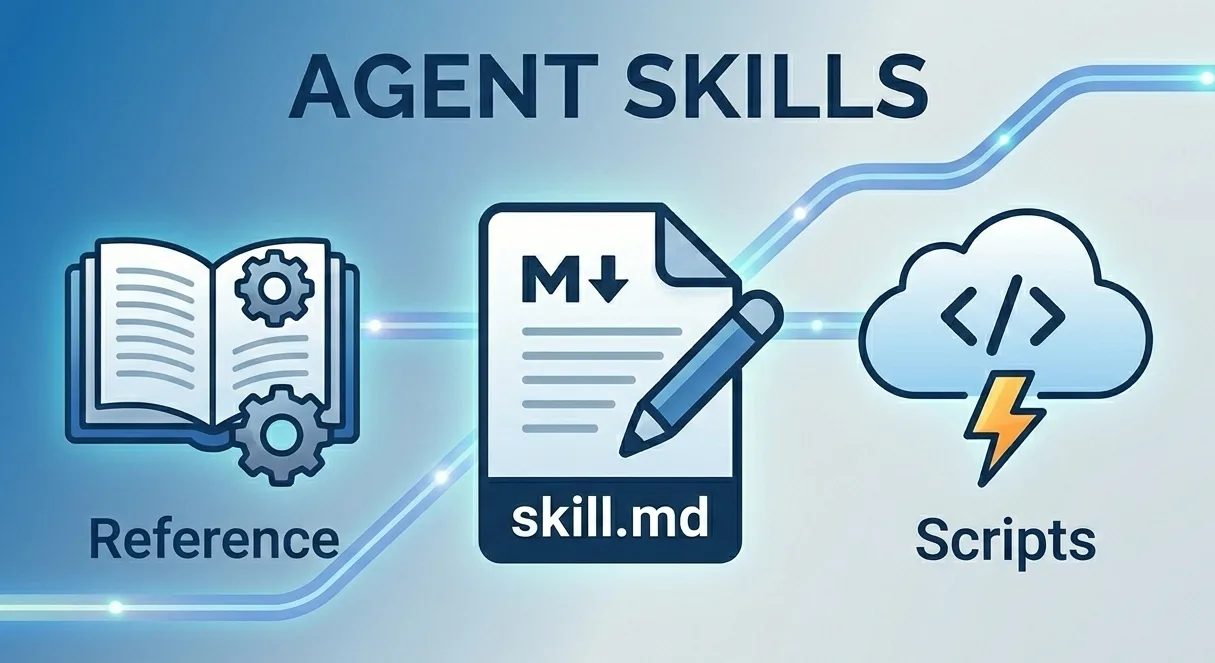
Agent Skills in .NET: Three Ways to Author, One Provider to Run Them
Microsoft Dev Blogs
Your agents can now draw on skills authored in three different ways – as files on disk, as inline C# code, or as encapsulated classes – and combine them freely in a single provider. Add built-in scrip...
Read article
JWT Authentication with .Introduction to NET To the layperson.
Medium
I have tried it now, so you need not.
Topics: Authentication JWT Security
Read article
C# .NET — Upgrading a Mediator Pipeline Project with Kiro Spec-First
Medium
Upgrading a MediatR project to .NET 10 with Kiro IDE: testing the spec-first workflow to see how it performs and my overall impressions.
Read article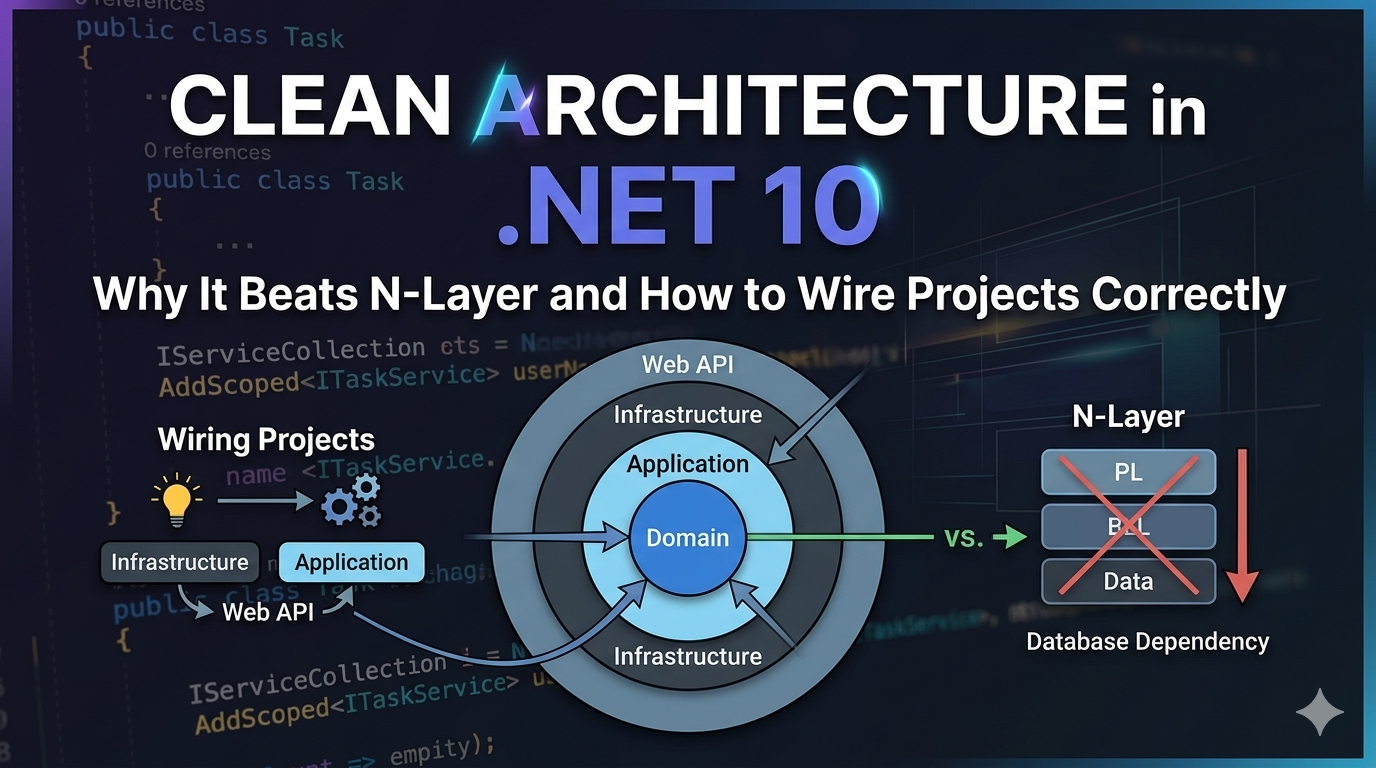
Clean Architecture in .NET 10: Why It Beats N-Layer and How to Wire Projects Correctly
Medium
As a project grows, the classic three-tier architecture (N-Layer) often turns into a “spaghetti” of dependencies, where business logic is…
Topics: Clean Architecture .NET 10
Read article