architecture
Domain-Driven Design in .NET Articles, Tutorials & News
Domain-Driven Design in .NET articles, tutorials, and news from the DotNetNews archive.
93 articles Updated
domain-driven design .NET is the focus of this topic page. Domain-Driven Design in .NET is a recurring focus for C# and .NET developers working in the Microsoft ecosystem. Intermediate and senior .NET developers use this hub to scan practical writing without treating every link as an endorsement.
Recurring subtopics in recent issues include domain-driven design .NET, DDD C#, aggregates .NET, and bounded contexts C#. Those themes are drawn from titles and excerpts in the newest archive entries for this tag, not from a marketing outline.
Expect publisher tutorials, release notes, architecture write-ups, and field notes linked from DotNetNews issues. Start here is a short editorial shortlist for Domain-Driven Design in .NET; the archive list is chronological and larger. Secondary angles such as domain-driven design .NET and DDD C# appear when the archive actually covered them. Nearby reading often overlaps with Clean Architecture in .NET and CQRS in .NET.
Each card points at the original publisher URL and the DotNetNews issue that carried it, so you can read the article in context or jump straight to the source.
Start here
Editor picks for Domain-Driven Design
-
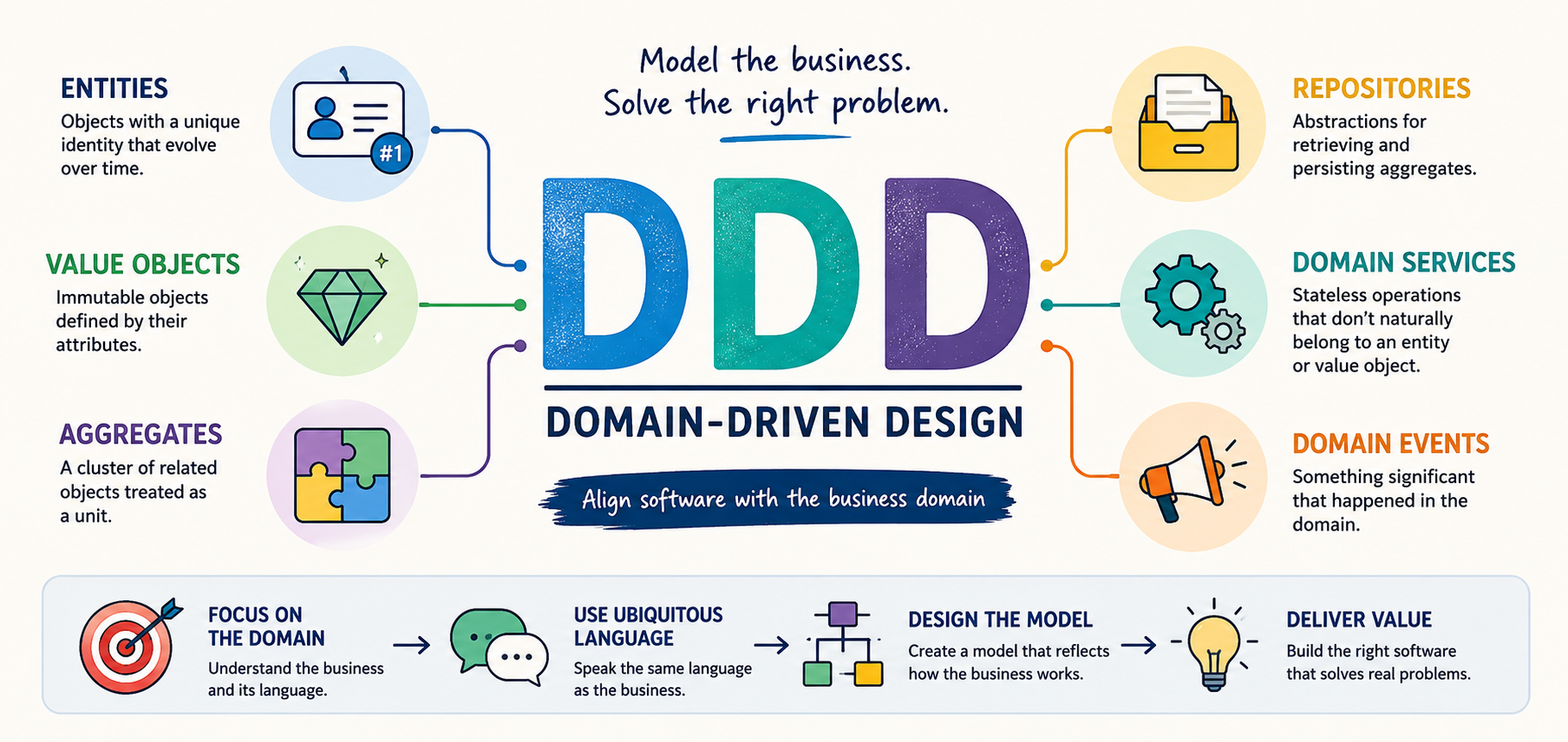
Domain-Driven Design (DDD)
Medium Issue #497
Broad DDD material, but still useful for readers trying to separate strategic design ideas from framework details.
-

Understanding Domain-Driven Design (DDD) in .NET
Medium Issue #394
Domain-Driven Design is a domain-centric approach that treats the software development process not merely as a coding activity, but as a….
-

Aggregates in DDD: Model Rules, Not Relationships
codeopinion.com Issue #350
A good DDD follow-up that pushes beyond entity relationships and back toward domain rules.
-

ASP.NET Core Architecture Patterns: CQRS, DDD, Clean Architecture Mastery (Part -19 of 40)
C# Corner Issue #313
A broad architecture refresher with CQRS, DDD, and Clean Architecture.
-
From Anemic Models to Behavior-Driven Models: A Practical DDD Refactor in C#
Milan's .NET Weekly Issue #194
This DDD refactor is the most concrete domain-modeling piece in the issue and shows behavior beating anemic entities.
-

Event Sourcing vs CRUD Applications: A Practical Comparison
C# Corner Issue #499
Always worth reading these comparisons when they stay practical instead of ideological.
-
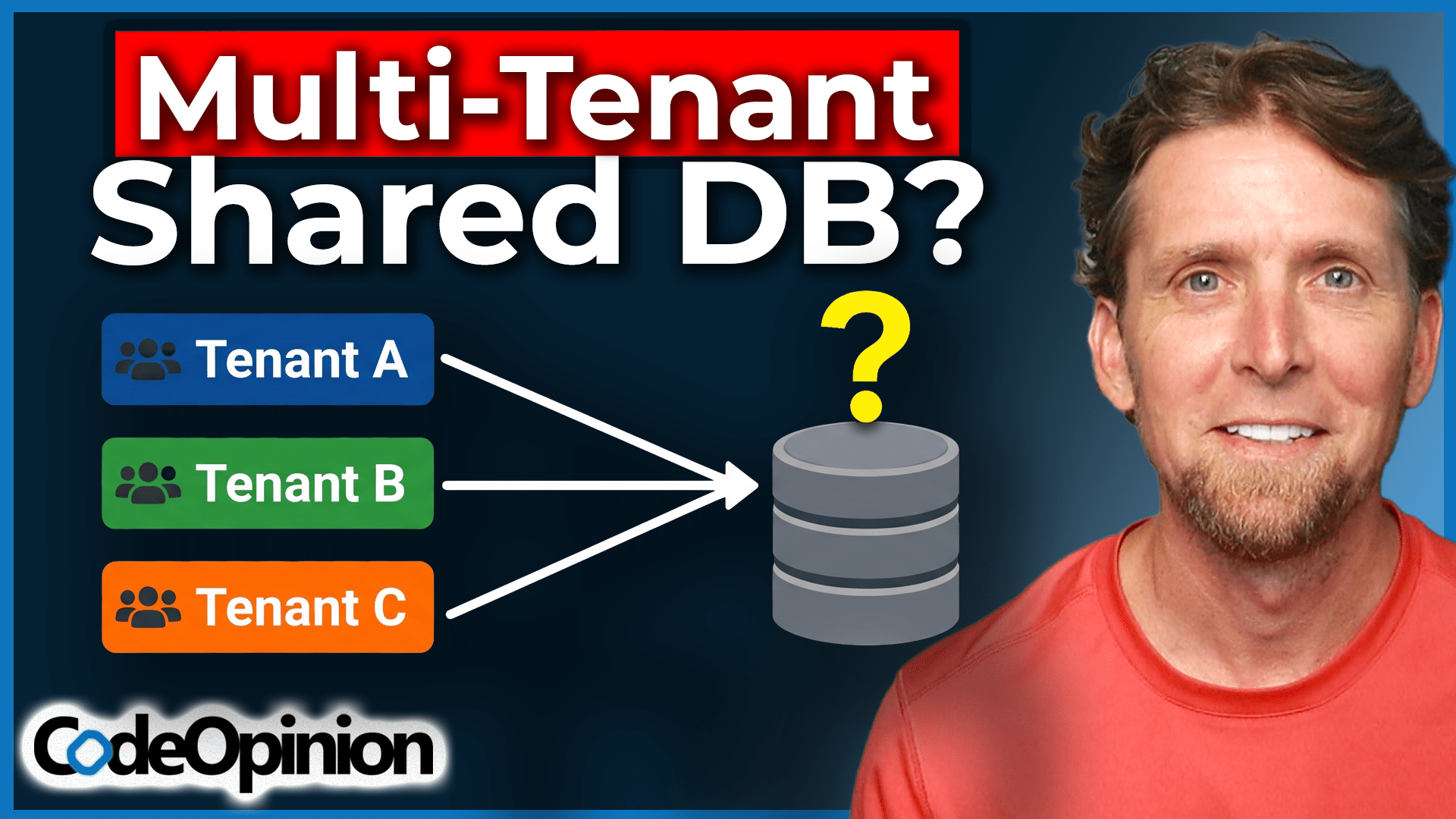
Multi-Tenancy Isn’t About Databases
codeopinion.com Issue #496
A solid architecture-first take. If you still frame tenancy as a schema-per-customer decision, this is worth your time.
-

What Happens After Approval: Decoupling Side Effects with the Observer Pattern
Medium Issue #489
Solid design discussion on keeping approvals from turning into side-effect spaghetti.
Archive
Page 1 of 4
Newest first
-
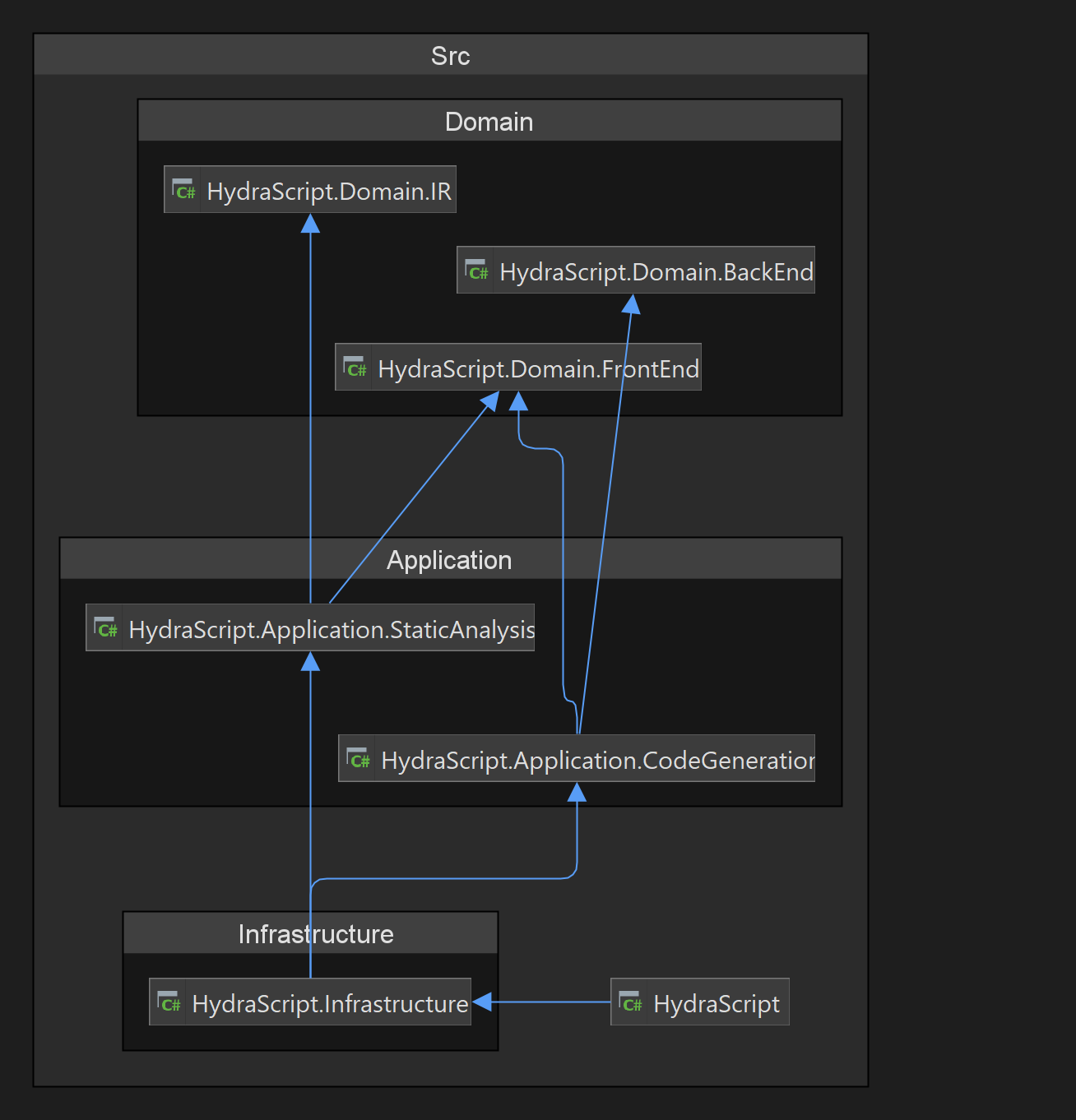
C# DIY Compiler with DDD and Clean Architecture
Medium Issue #549
Compiler projects are often presented as pipelines of algorithms: lexing, parsing, analysis, and code generation. Once the project grows…
-

How Architects (Senior Devs) Choose a Database in 2026
Medium Issue #542
Choosing a database is one of the most impactful decisions you make in a project. Continue reading on CodeX »
-
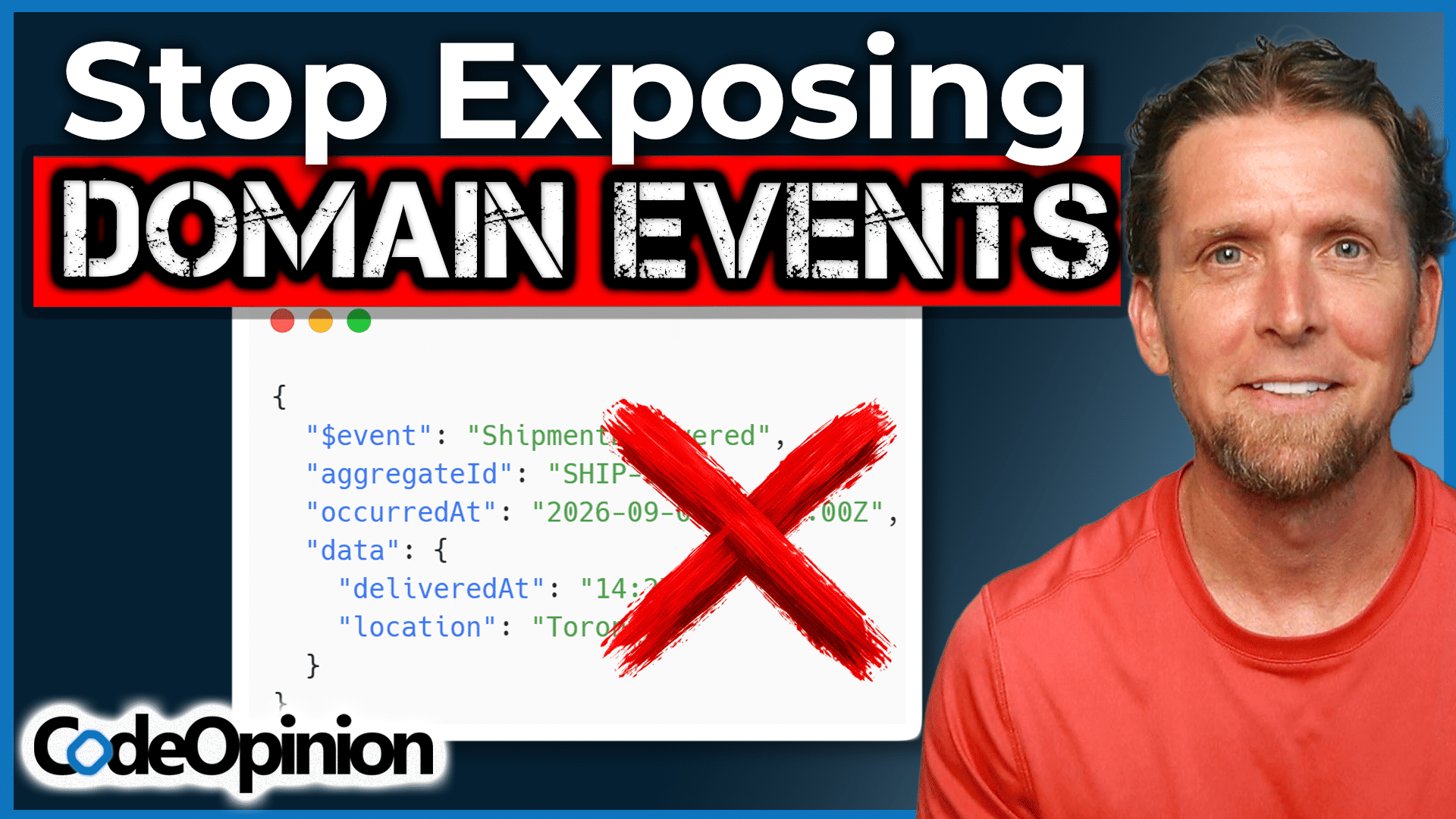
Domain Events Are NOT Your Public API
codeopinion.com Issue #536
You finally did it. You stopped publishing CRUD events and started broadcasting domain events. Instead of publishing ShipmentStatusChanged, ShipmentUpdated, or EstimatedDeliveryDateChanged, you starte...
-
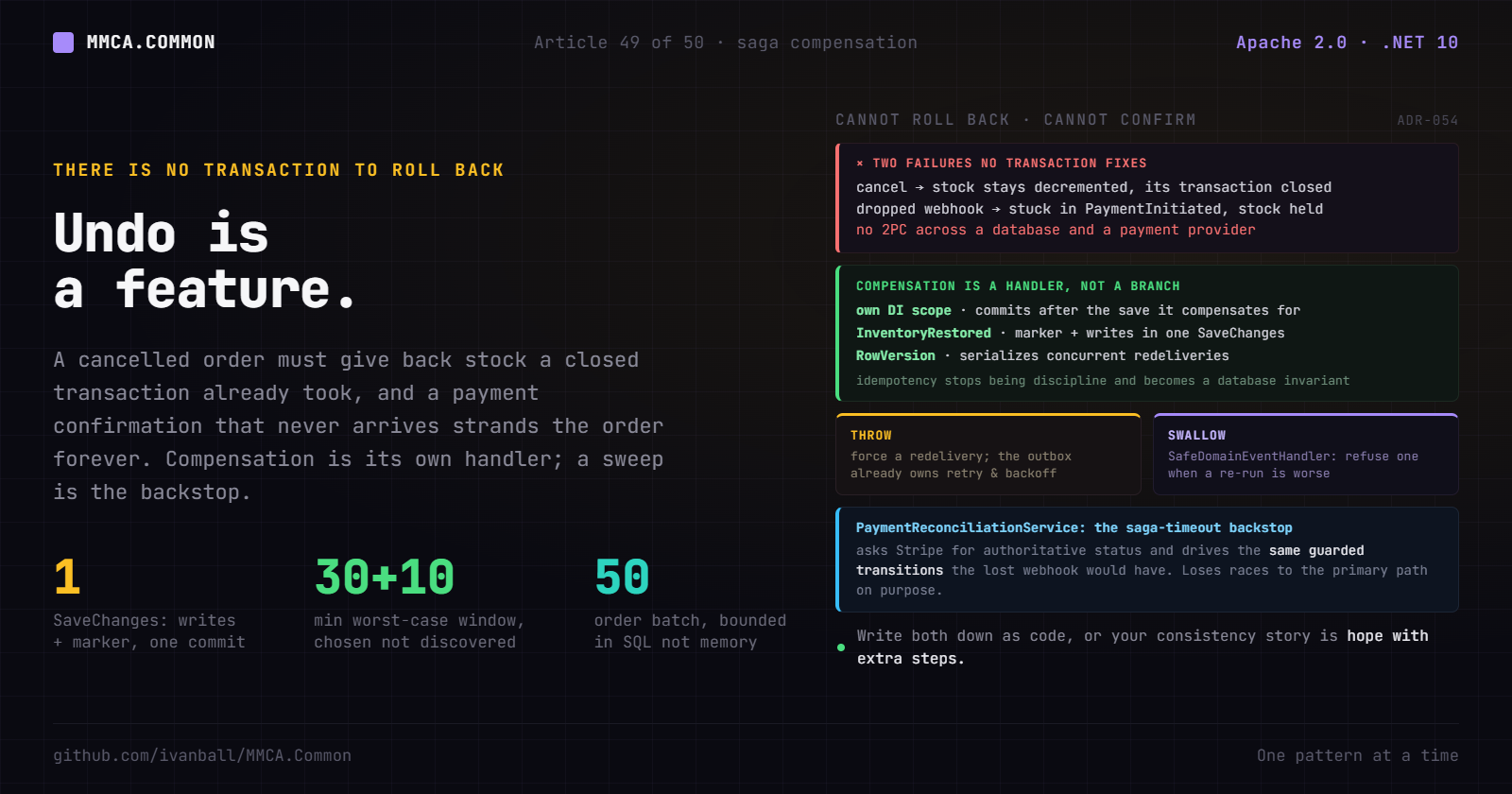
Undo Is a Feature: Saga Compensation and the Reconciliation Backstop
Medium Issue #525
A cancelled order has to give back stock that a transaction closed minutes ago already took, and a payment confirmation that never arrives…
-
Domain-Driven Design: Modeling Software Around the Business
Medium Issue #524
A practical guide to Domain-Driven Design (DDD) — the approach to software design that centers business rules and domain models as the…
-
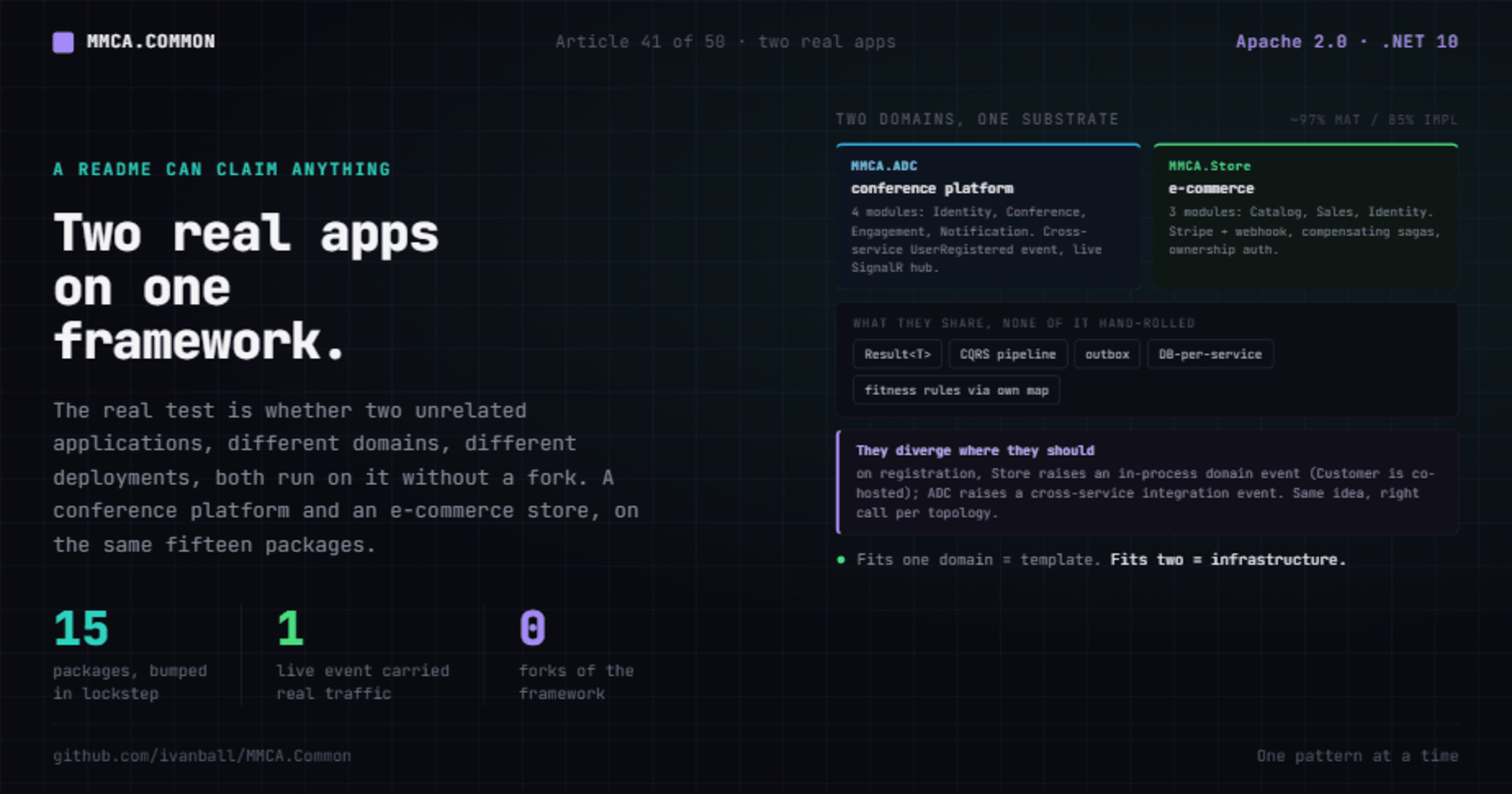
Two real apps on one framework: a conference platform and a store
Medium Issue #520
A framework’s README can claim anything. The real test is whether two unrelated applications, with different domains and different…
-
Scratch a simple data model, find a complex one
Jon Skeet's coding Issue #520
I seem to have a knack for discovering corner cases – or in many situations being a corner case. One category of this is where I find myself using a data model which appears simple to start with – and...
-
Persisting a Rich Domain Model With EF Core
Milan's .NET Weekly Issue #518
Every time I show a rich domain model, someone tells me it can't work with EF Core: "EF needs public setters and a public constructor, so the anemic model is…
-
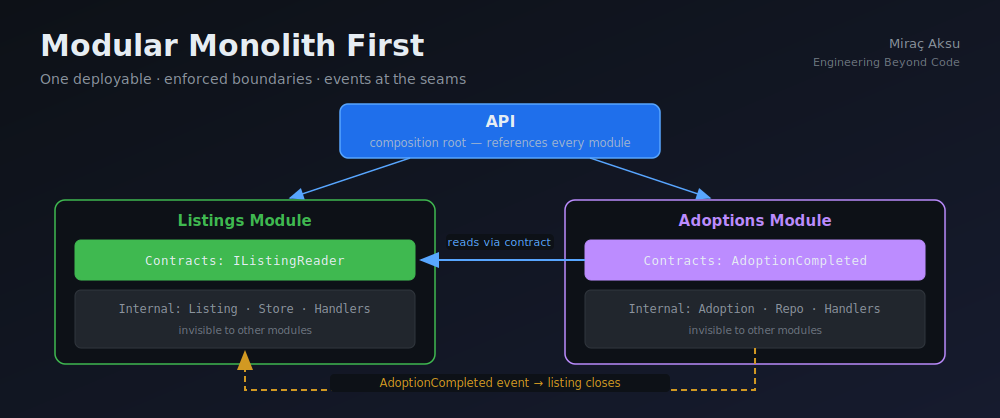
Modular Monolith First: Why It Beats Microservices on Day One
Medium Issue #511
Every few weeks someone asks why a new product isn’t “built on microservices.” My honest answer: on day one, you don’t know where your…
-
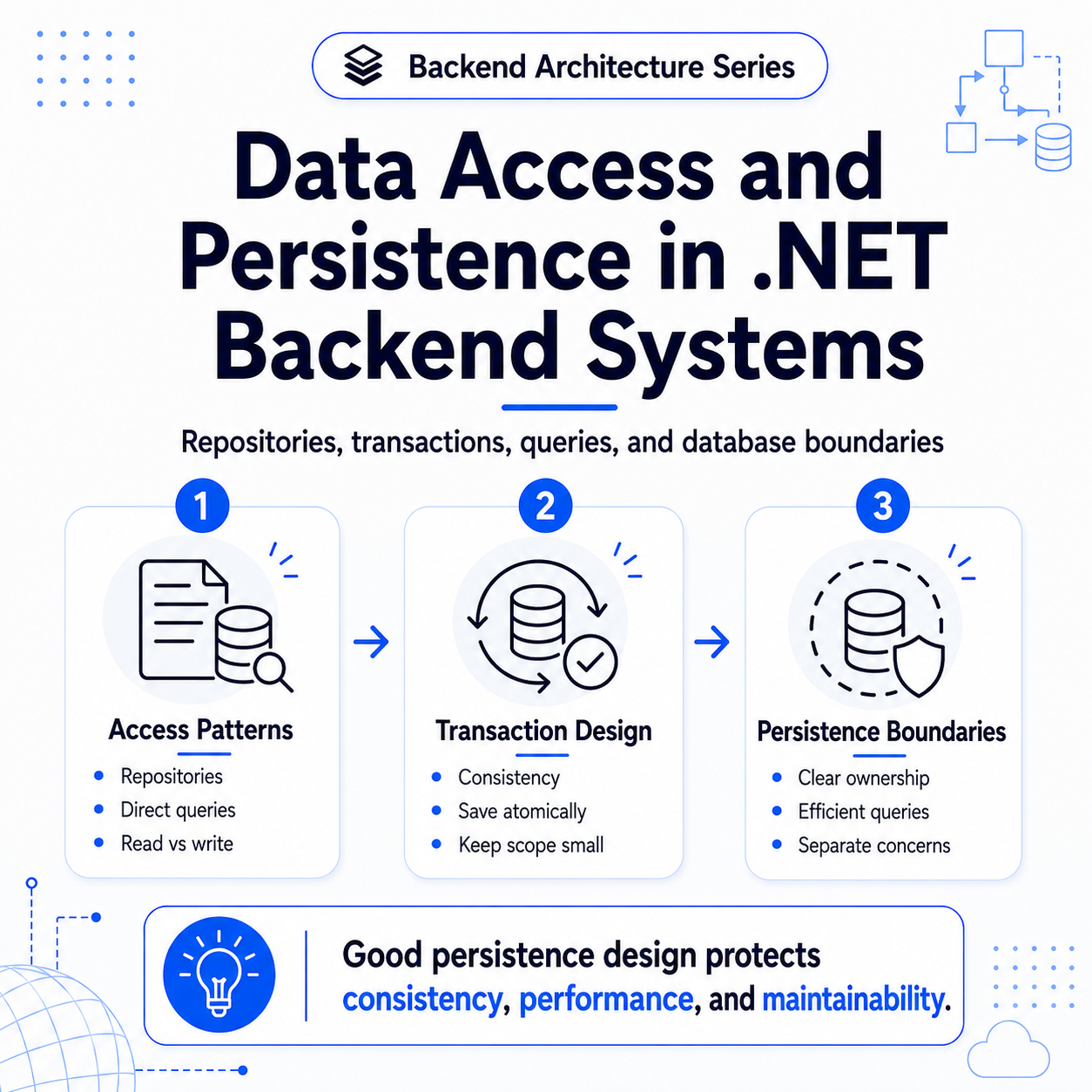
Data Access and Persistence in .NET
Medium Issue #510
In Part 1, I wrote about boundaries. In Part 2, I wrote about aggregates and invariants. In Part 3, I wrote about domain events. In Part 4…
-
Domain-Driven Design in C#: A Practical Guide to DDD in .NET
Medium Issue #509
Learn how to implement Domain-Driven Design in C# and .NET using Entities, Value Objects, Aggregates, Domain Events, Repositories, and…
-
Event Sourcing vs CRUD Applications: A Practical Comparison
C# Corner Issue #499
Compare Event Sourcing vs CRUD: understand their core differences, real-world use cases, pros, cons, and when to choose each for your application.
-
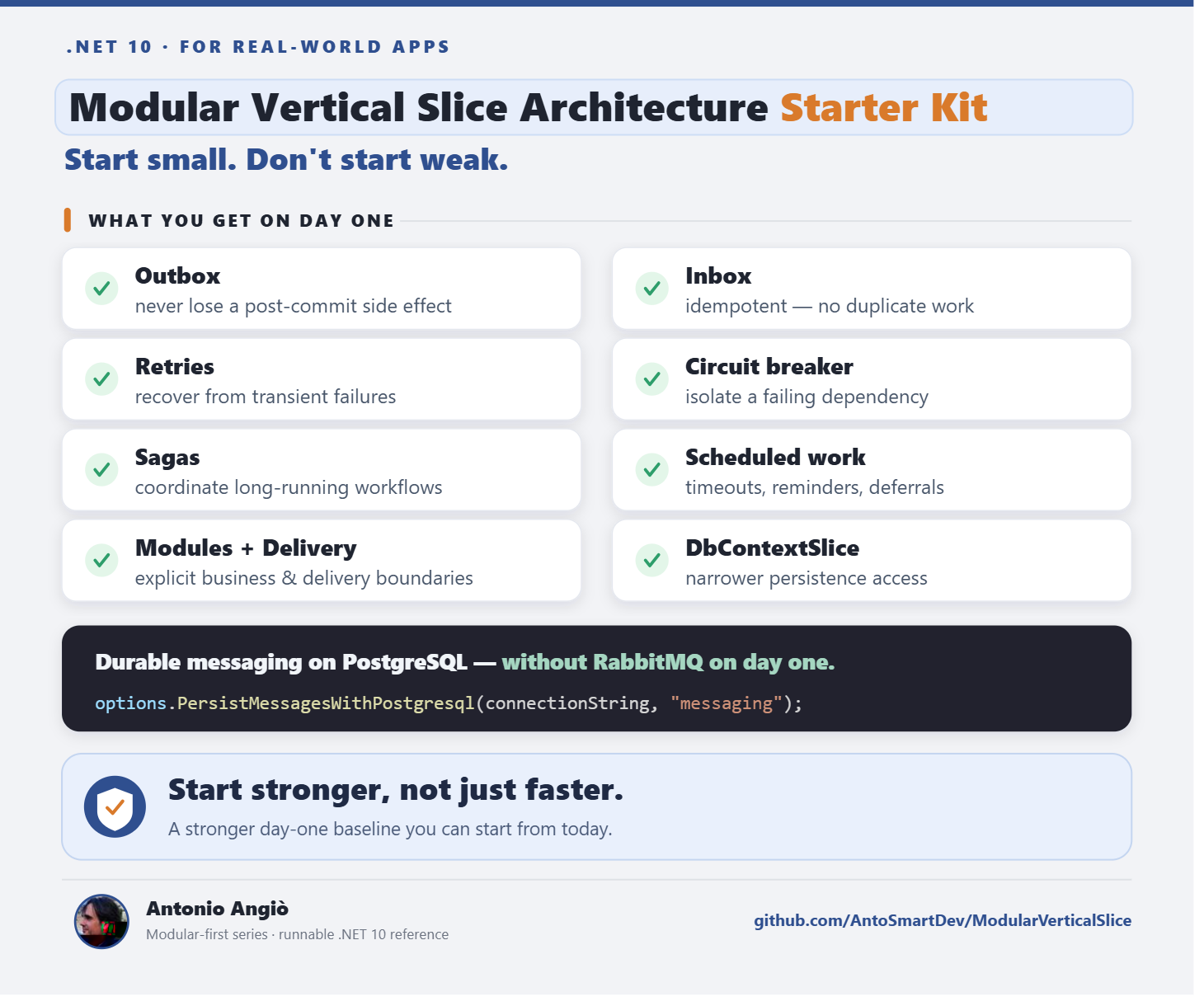
A Modular Vertical Slice Architecture Starter Kit for Real-World .NET
Medium Issue #498
Stronger boundaries, durable messaging, and serious reliability patterns without day-one distributed overhead.
-
How does your domain know your user?
Medium Issue #498
Almost every business application needs to answer a question that sounds simple: who is the current user? But “user” isn’t one thing…
-
Domain-Driven Design (DDD)
Medium Issue #497
Prerequisite Note: While this tutorial is implemented using .NET and the Clean Architecture, the DDD concepts explored here are universal…
-
Multi-Tenancy Isn’t About Databases
codeopinion.com Issue #496
You start off with what seems like the obvious solution to a multi-tenant SaaS application. We have tenant A. We have tenant B. We have one application and one database. Within that database, for ever...
-
Modular Monolith Architecture in C#: The Pragmatic Path to Scalable .NET Applications
Medium Issue #494
I Stopped Building Microservices — Here’s Why Modular Monolith Changed Everything
-
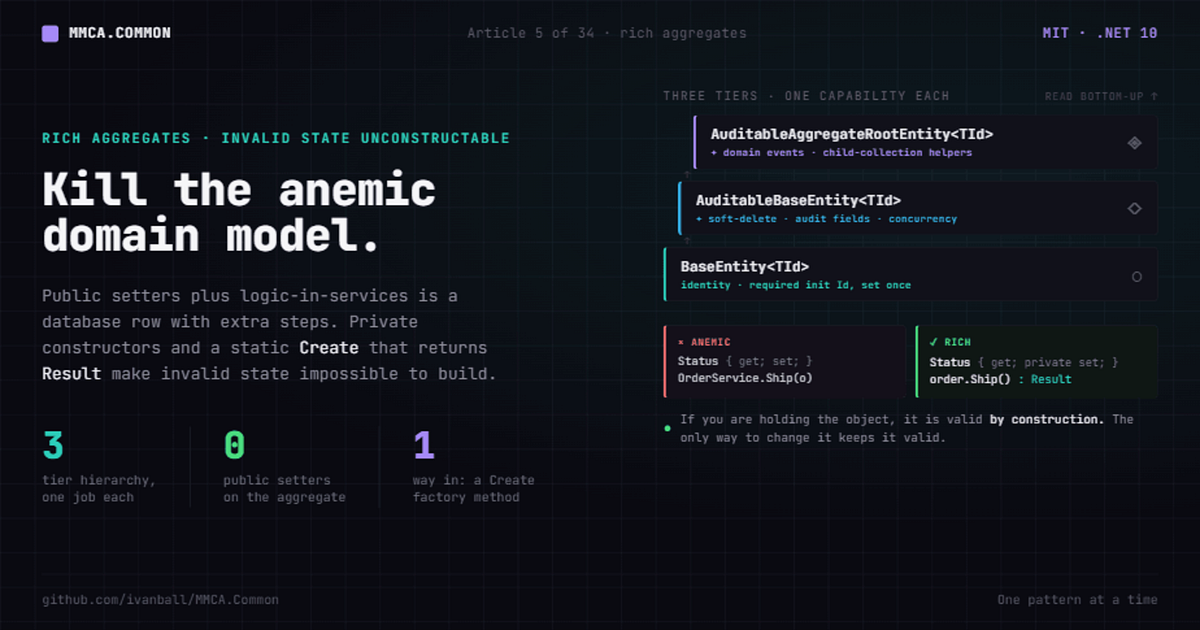
Kill the anemic domain model: rich aggregates with factory methods that return Result
Medium Issue #490
Public setters plus logic-in-services is not a domain model, it is a database row with extra steps.
-
What Happens After Approval: Decoupling Side Effects with the Observer Pattern
Medium Issue #489
Part 4 of 4: Emails, audit trails, one event handler that catches dozens of event types it’s never heard of, transaction semantics, and…
-
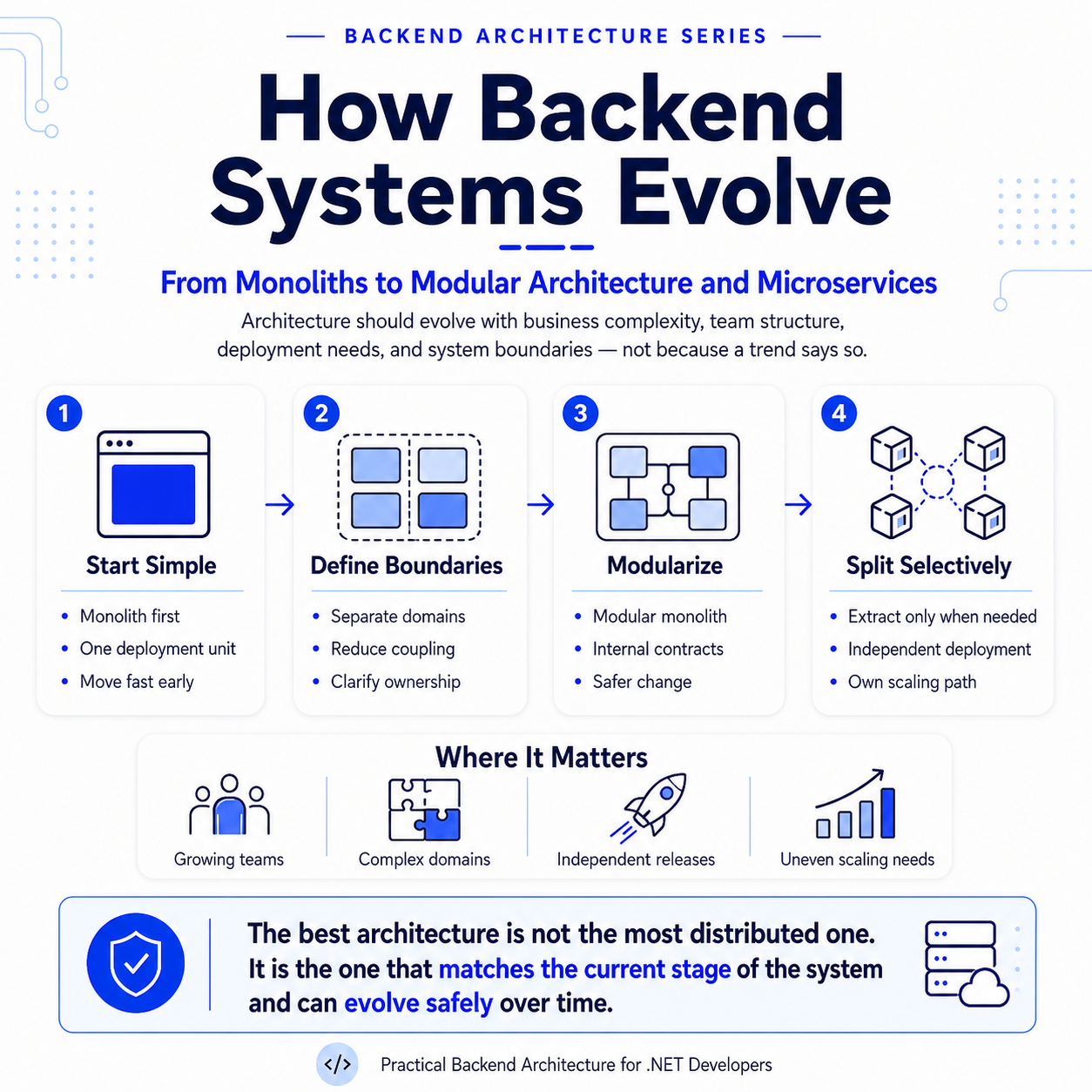
How Backend Systems Evolve: From Monoliths to Modular Architecture and Microservices
Medium Issue #488
From monolith to modular monolith to microservices, and how to know when the architecture should change
-

Designing AI-Oriented Domain Models in ASP.NET Core Applications
C# Corner Issue #488
Design AI-oriented domain models in ASP.NET Core for intelligent apps. Integrate AI concepts for better scalability and business alignment.
-
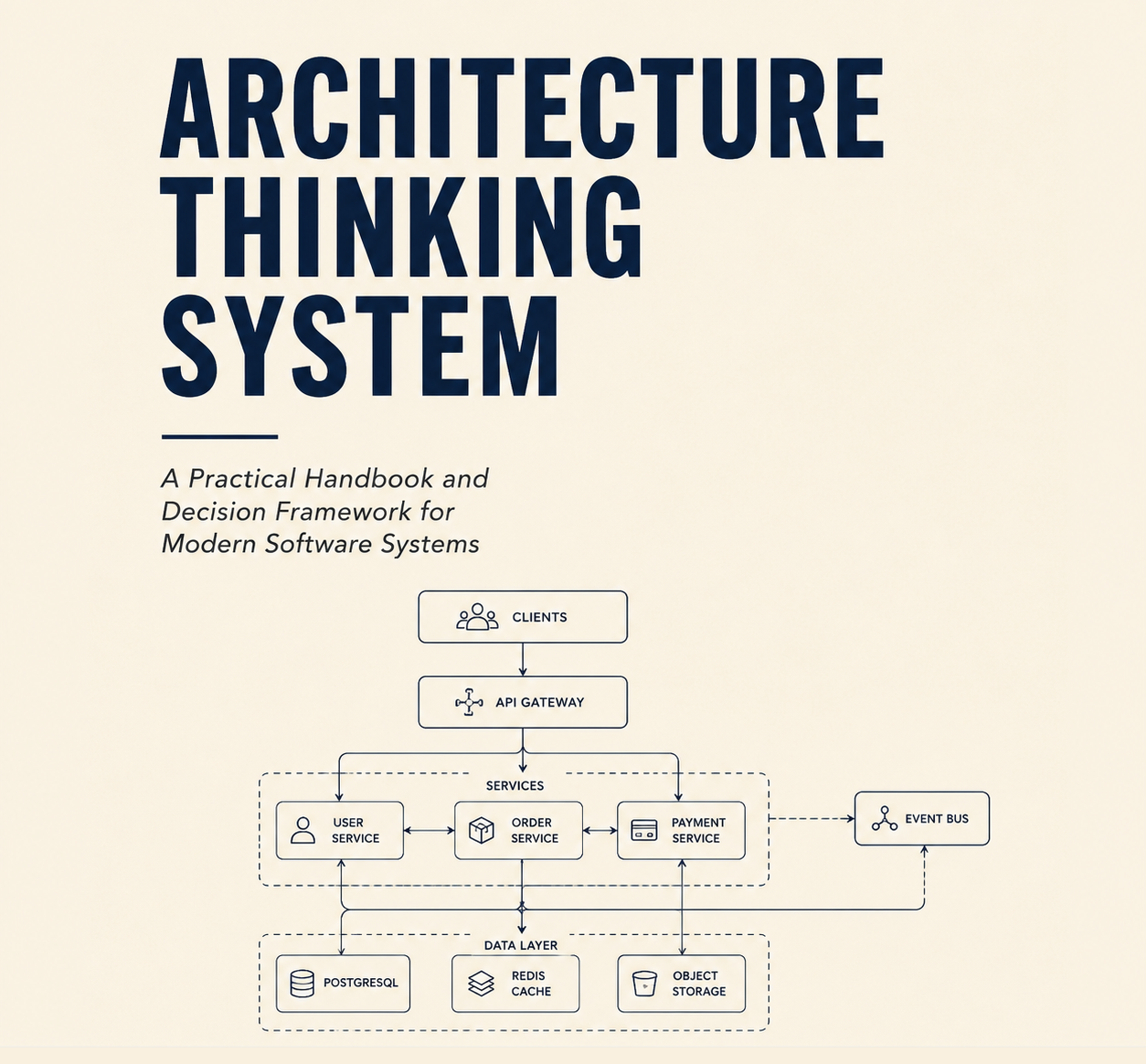
How .NET Developers Transition Into Software Architecture (Without Rewriting Everything)
Medium Issue #477
Most .NET developers never really transition into software architecture.
-
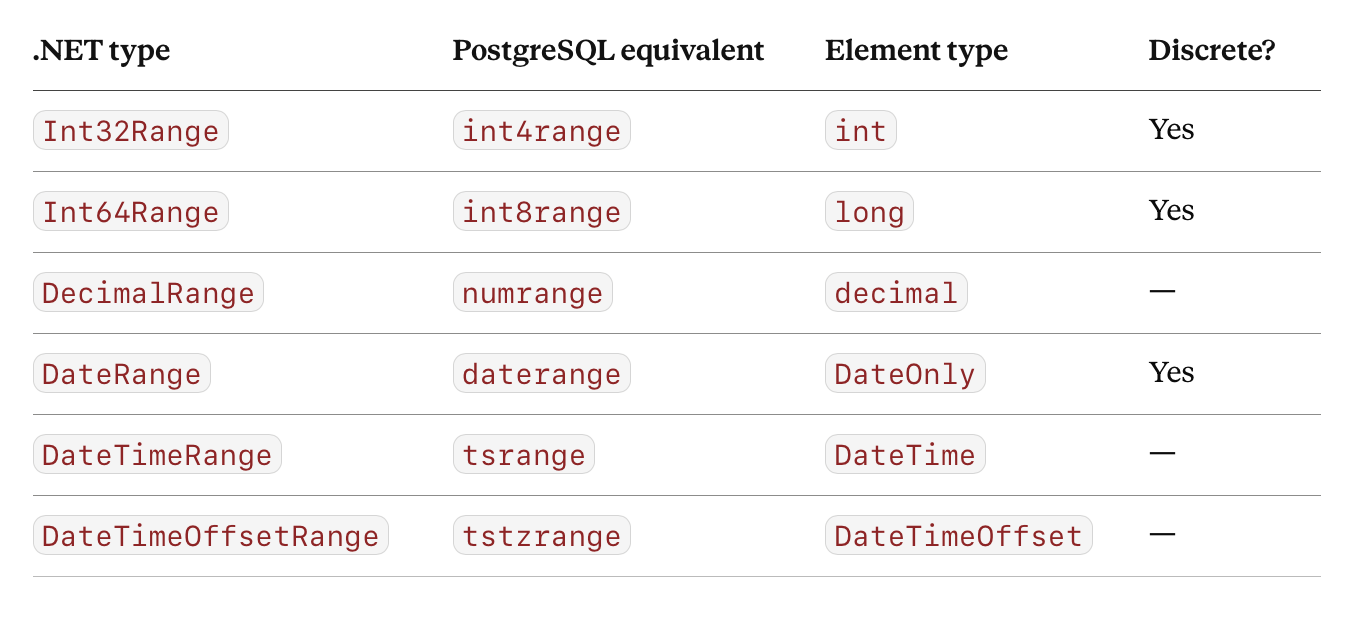
The Interval Is the Thing: Modelling Range Types as First-Class Domain Objects in .NET
Medium Issue #476
A complete solution: expressive range types in your domain layer, full PostgreSQL translation in your data layer — no compromises at…
-

ASP.NET Core 10 Web API CRUD with EF Core - Complete .NET 10 Tutorial
codewithmukesh Issue #473
Build a production-ready .NET 10 Web API with EF Core 10 and PostgreSQL. CRUD operations, DDD, Minimal APIs, Scalar, code-first migrations, and best practices.
-
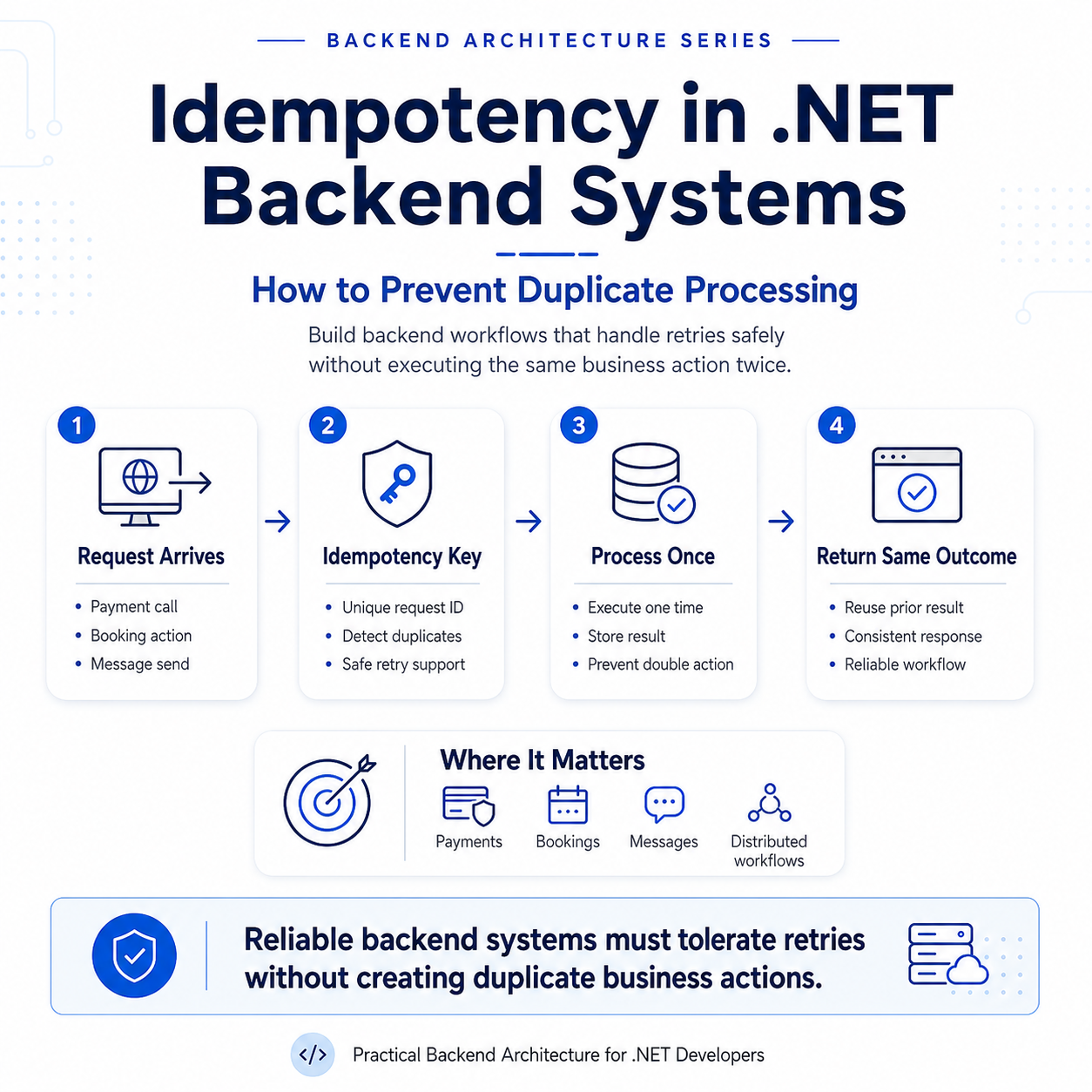
Idempotency in .NET Backend Systems: How to Prevent Duplicate Processing
Medium Issue #466
In Part 1, I wrote about boundaries. In Part 2, I wrote about aggregates and invariants. In Part 3, I wrote about domain events. In Part 4…