Performance, TDD, JWT in .NET
A varied .NET roundup covering performance tuning, TDD workflows, JWT signing, Redis caching patterns, C# 14 field accessors, and .NET 10 validation.
Jasen's top three picks
- 1 TDD in .NET: Practicing TDD in a Web API Project
Medium
A practical TDD walkthrough for Web APIs, plus a second piece on refactoring safely without breaking behavior.
- 2 The 2025 Year-End Performance Review for .NET
Medium
A strong year-end performance review that’s useful if you care about allocations, throughput, and what changed in .NET.
- 3 Practical JWT Mastery in .NET
Medium
JWT signing, cache patterns, and .NET 10 validation cover the everyday plumbing most teams ship with.
Editor's note
I kept this issue deliberately mixed: performance tuning sits next to TDD, security, caching, and new language/runtime features. The performance review and the Redis cache patterns piece are especially useful if you’re making production tradeoffs. I also like the C# 14 field keyword article because it shows how small language changes can simplify everyday property code.
Today's articles
TDD in .NET: Practicing TDD in a Web API Project
Medium
Motivation: Why This Article?
Topics: Test-Driven Development Unit Testing Web API
Read article
The 2025 Year-End Performance Review for .NET
Medium
The Year of Zero Overhead
Topics: Benchmarking .NET 8 Performance
Read article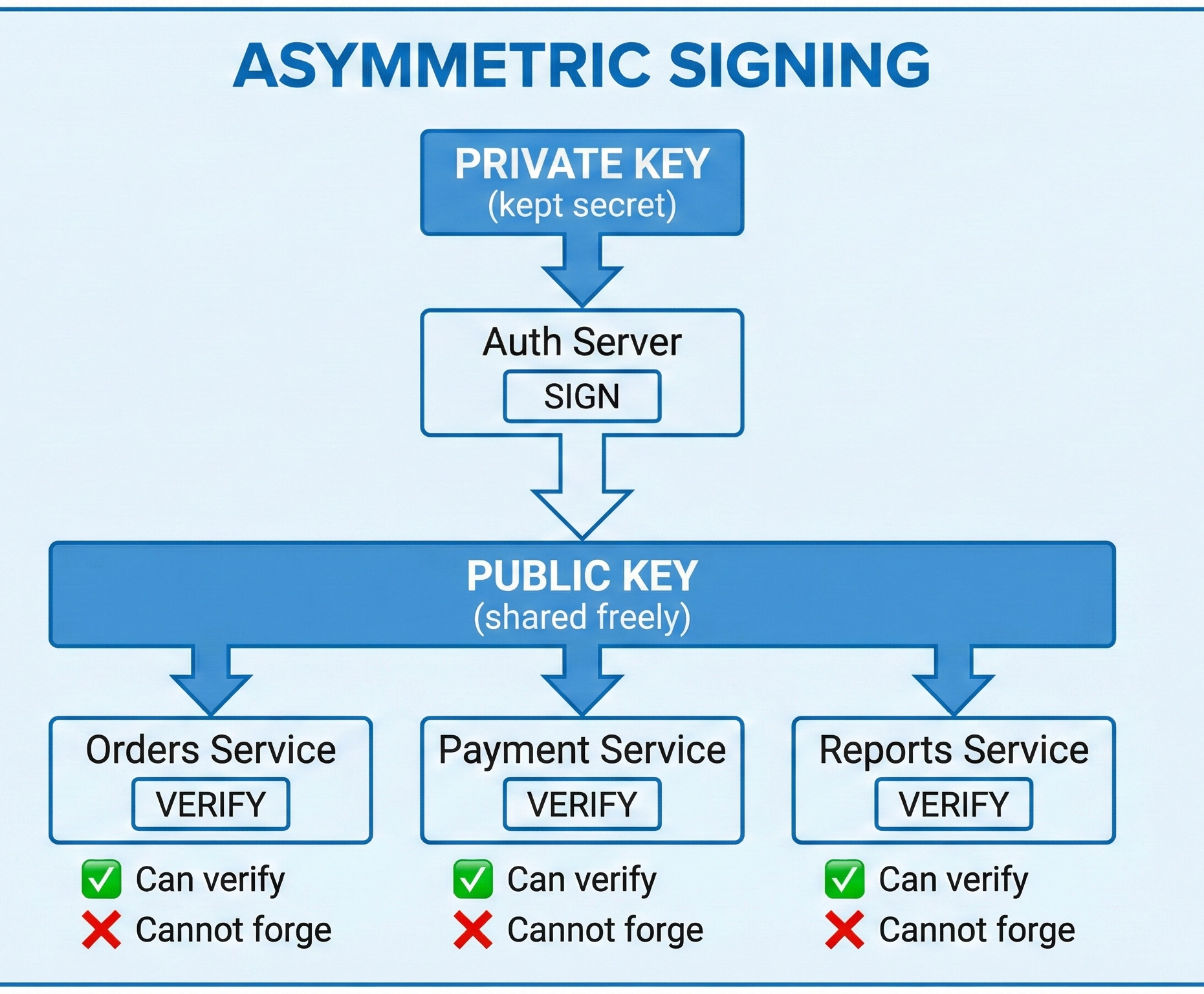
Practical JWT Mastery in .NET
Medium
Part 4: Cryptographic Signing
Topics: Authentication JWT Security
Read article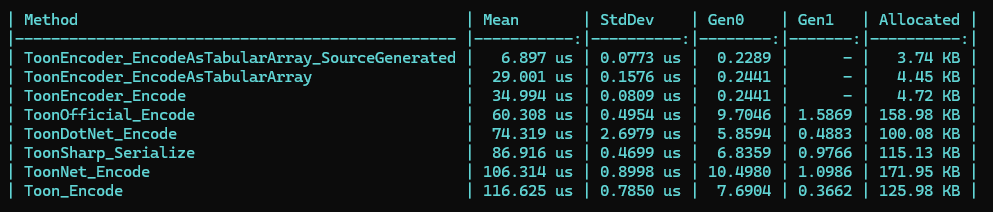
ToonEncoder — A JSON-Compatible Format Encoder for C# and LLMs
Medium
I’ve created a serializer (encode-only) for Token-Oriented Object Notation (TOON), a JSON-compatible format. When used appropriately, TOON…
Topics: C# ML.NET System.Text.Json
Read article
C# 14 Field Keyword: Simplifying Property Accessors
Laurent Kempé
C# 14 introduces the field keyword, a contextual keyword that reshapes how we write property accessors. This feature eliminates the need for explicit backing fields while maintaining full control over...
Topics: C# .NET 10 Visual Studio
Read article
Digital Essentialism in .NET: How Verdict is Redefining the Result Pattern
Medium
In the world of high-performance .NET development, the “Result Pattern” has officially arrived. It’s the preferred way to handle domain…
Topics: Clean Architecture Domain-Driven Design Performance
Read article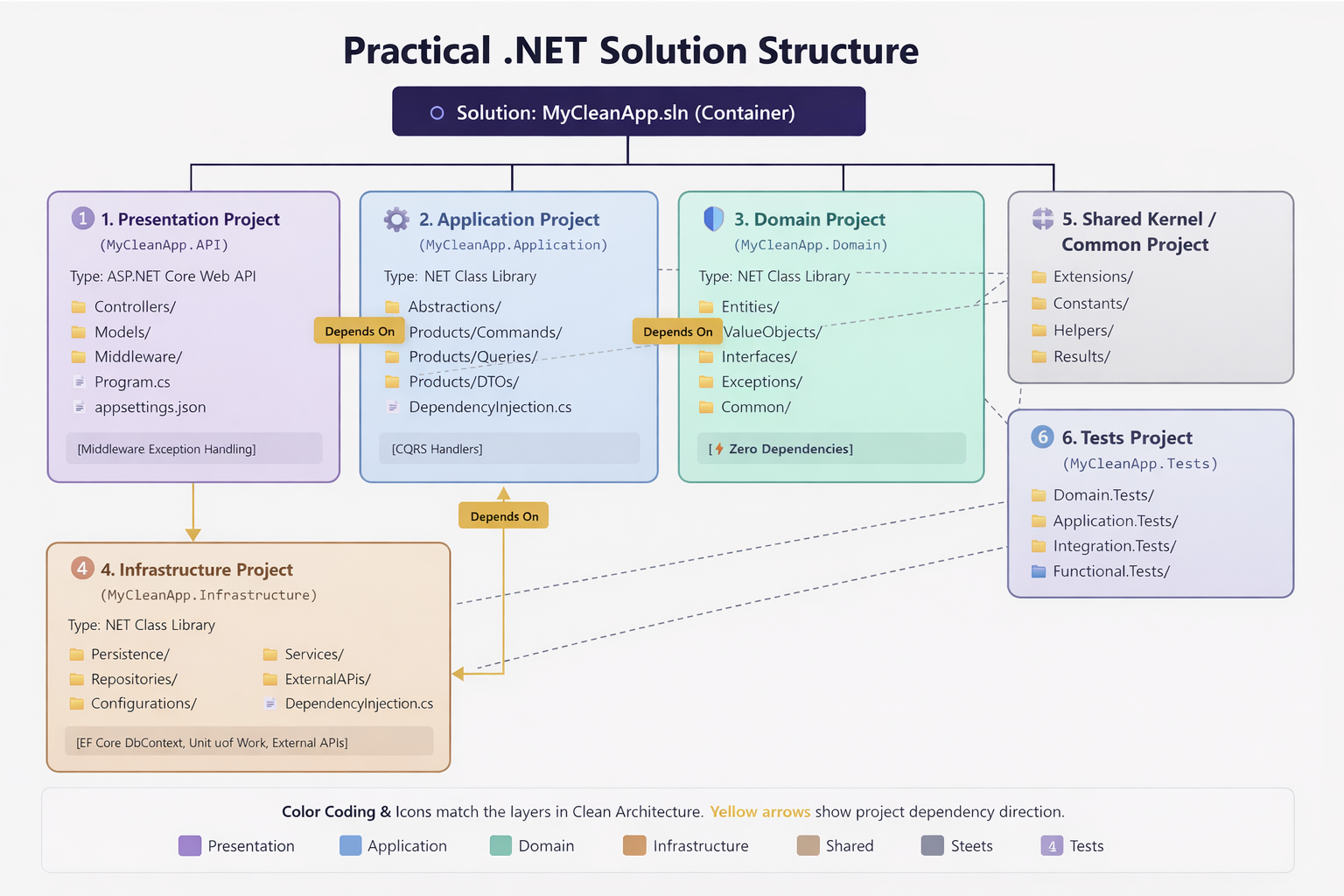
Clean Architecture in .NET: Testing, Best Practices & Final Thoughts
Medium
Part 4 — Making It Production-Ready
Topics: Clean Architecture Test-Driven Development Unit Testing
Read article
Getting Started with Microsoft Agent Framework
Medium
If you’re building agents in C#/.NET in 2025, the hardest part often isn’t writing prompts — it’s picking a foundation. Should you use…
Read article
Redis Cache Patterns Explained: Cache-Aside vs Read-Through vs Write-Through vs Write-Behind
C# Corner
Learn the four main Redis caching patterns, how they work, their pros and cons, and which pattern you should use in real production systems. Written for architects and senior developers.
Topics: Azure Performance Redis
Read articleValidation in .NET 10: Native Support for Minimal APIs
C# Corner
.NET 10 introduces native validation for Minimal APIs, eliminating manual checks and third-party libraries. Simplify your code and boost performance with Data Annotations!
Topics: .NET 10 FluentValidation Minimal APIs
Read article
TDD in .NET: Refactoring Safely
Medium
Why Developers Fear Refactoring (But Shouldn’t)
Topics: Design Patterns Test-Driven Development Unit Testing
Read article
.NET R&D Digest (December, 2025)
WordPress
This issue includes bits of AI, vibe-coding, DDD, performance, software development, testing, C#, MSBuild, diagnostics, DevOps, and of course .NET, .NET Internals and something to watch.
Topics: .NET Core OpenTelemetry Performance
Read article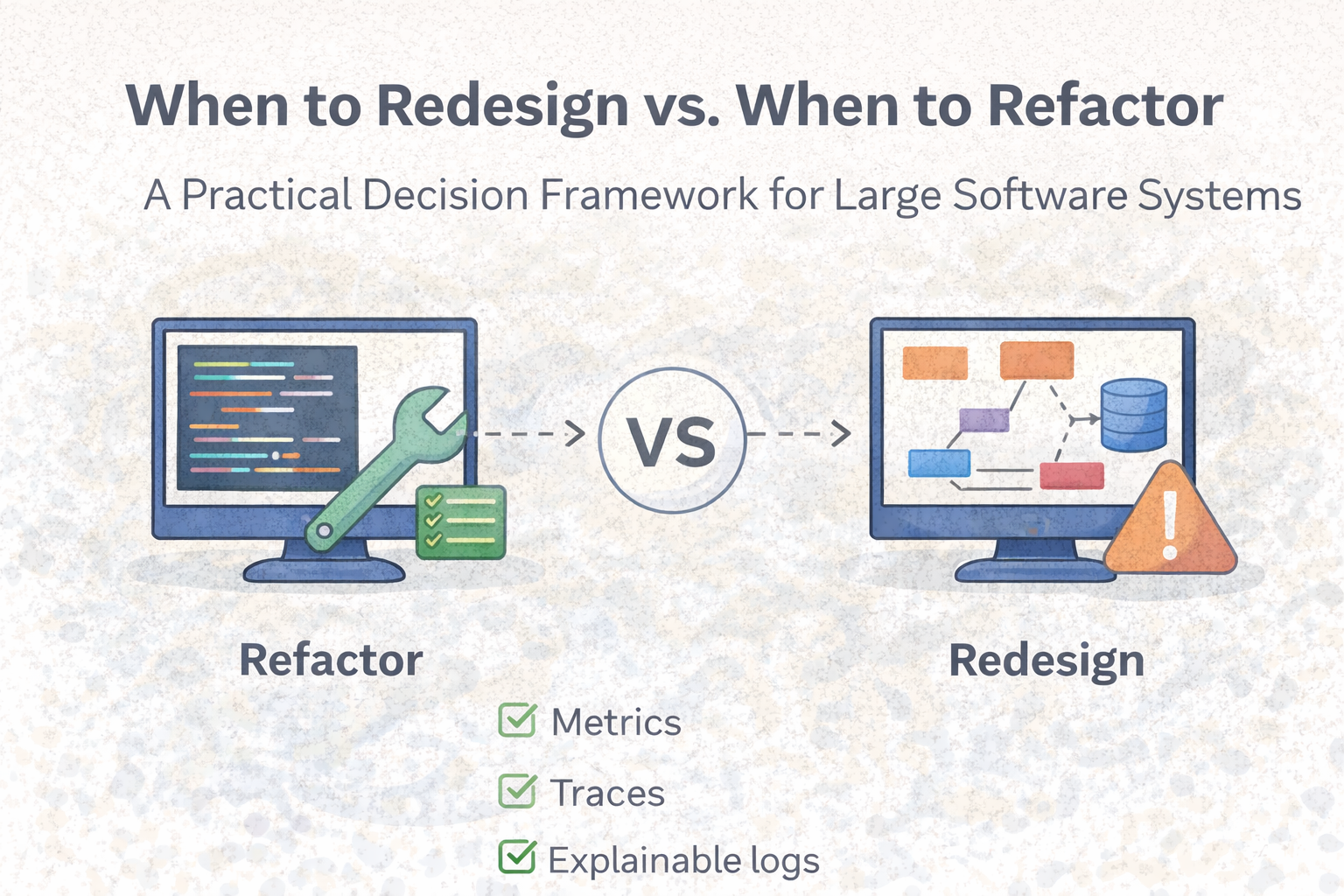
When to Redesign vs. When to Refactor
Medium
A Practical Decision Framework for Large Software Systems
Topics: Domain-Driven Design Design Patterns Solid Principles
Read article