Agents, safety, and ASP.NET internals
Covers multi-agent .NET tooling, EF Core pooling, C# null and memory safety, WebApplication internals, concurrency failures, and OWASP injection defense.
Jasen's top three picks
- 1 Multi-Agent Frameworks for .NET — A Practical Guide
Medium
Useful primer if you're moving beyond single-prompt apps and want a clearer mental model for agent orchestration in .NET.
- 2 Database Connection Pooling vs DbContext Pooling in .NET
Medium
A good clarification piece; connection pooling and DbContext pooling get mixed up constantly, and the tradeoffs matter under load.
- 3 Collections in C# — From Basic to Advanced
Medium
Broad C# refresher content, but still handy for newer developers brushing up on collection choices and behavior.
Editor's note
I pulled together another deliberately mixed issue today, with AI agent architecture sitting right next to core runtime and web stack material. The multi-agent framework and governance pieces are timely if you’re experimenting with LLM orchestration, while the ASP.NET Core WebApplication deep dive and fan-out concurrency postmortem are the kind of practical internals content I always like to surface.
Today's articles

Multi-Agent Frameworks for .NET — A Practical Guide
Medium
If you’ve spent any time building with LLMs, you’ve probably hit the wall: a single prompt only gets you so far. Stuff too much into one…
Topics: C# OpenAI Semantic Kernel
Read article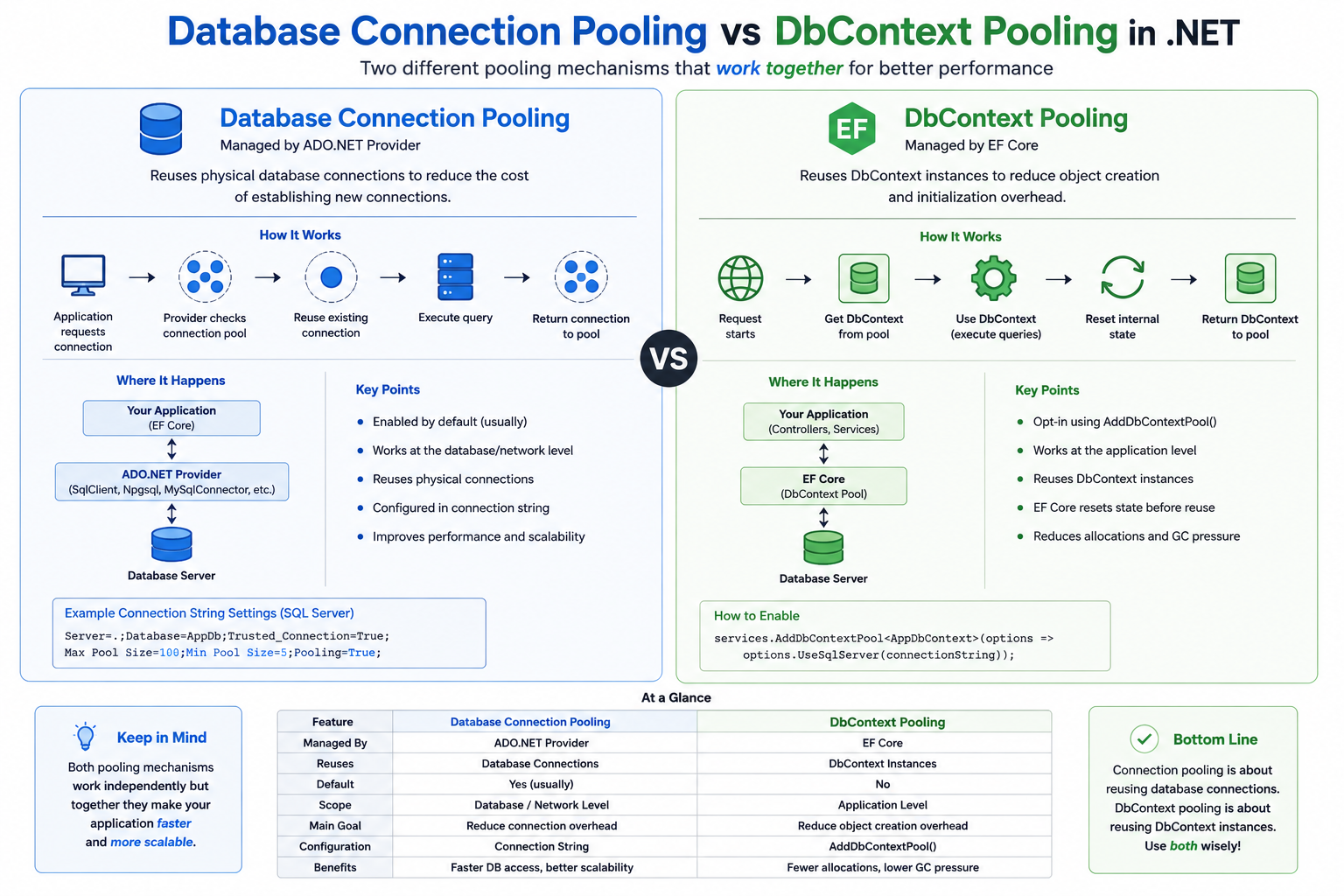
Database Connection Pooling vs DbContext Pooling in .NET
Medium
When working with Entity Framework Core, many developers confuse database connection pooling with DbContext pooling. Although both improve…
Topics: .NET Core EF Core Performance
Read article
Collections in C# — From Basic to Advanced
Medium
Collections are one of the most important concepts in C#. They help us store, manage, search, sort, and manipulate groups of data…
Topics: C#
Read article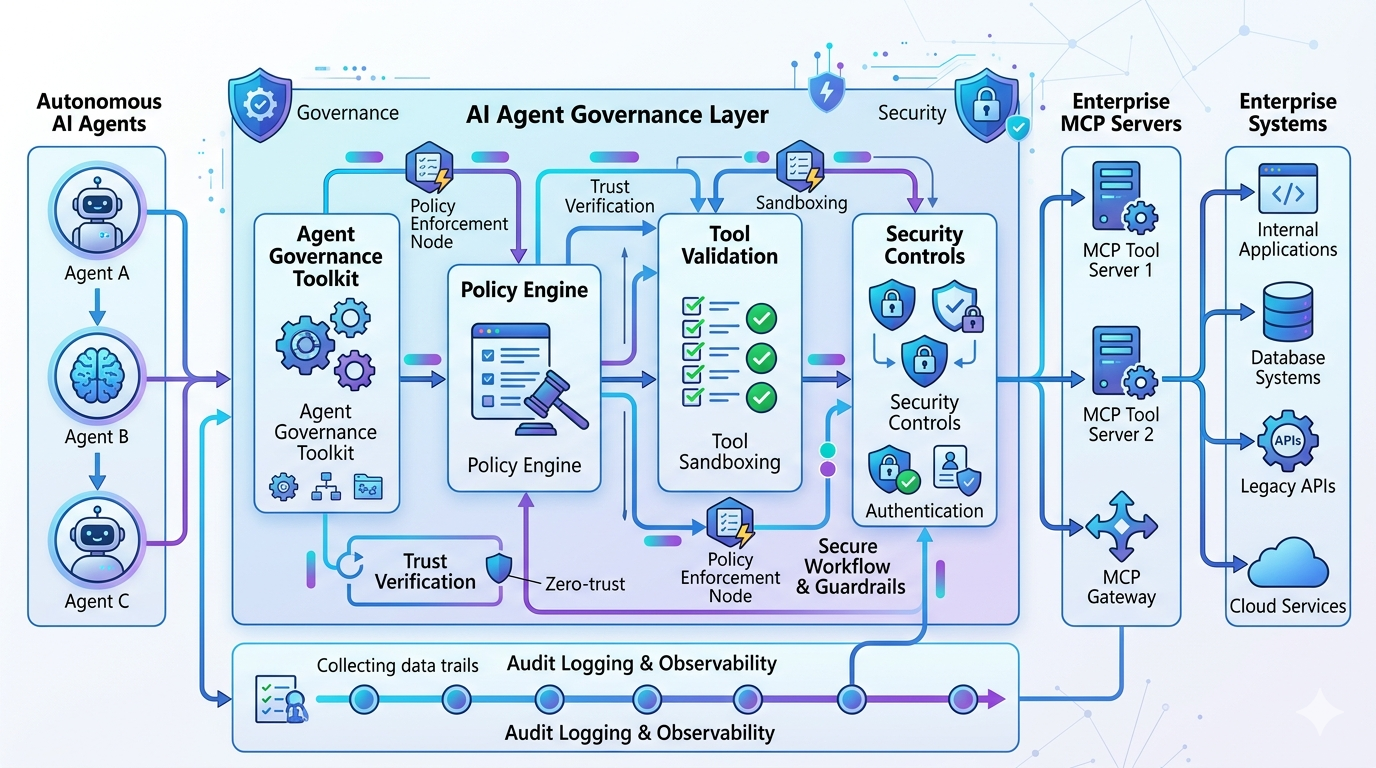
Agent Governance Toolkit for .NET:
Medium
A few months ago, most conversations around AI agents focused on one thing:
Read article
Microsoft wants safer C# without turning it into Rust
""charp" OR "asp.net" OR "fsharp" OR "c#" OR "vb.net" " - Google News
Microsoft wants safer C# without turning it into Rust
Read article
Mission Possible : Implementing Design Patterns in .NET
Medium
This blog is designed to go through nine major design patterns revolving around three categories of these patterns — creational (dealing…
Topics: Design Patterns .NET Core
Read article
C# Has a Null Problem. Here’s What That Means
Medium
What null is, why it crashes your app, and how ?. and ?? fix it
Topics: C#
Read article
To Prompt or NOT to Prompt #vscode #prompt #customization
YouTube
Are AI Agents Conscious?
Topics: OpenAI Visual Studio Code
Read article
Improving C# Memory Safety: Why Modern .NET Is Quietly Becoming More Secure
towardsdev.com
A few years ago, whenever developers talked about “memory safety,” the conversation usually centered around languages like: Continue reading on Towards Dev »
Read article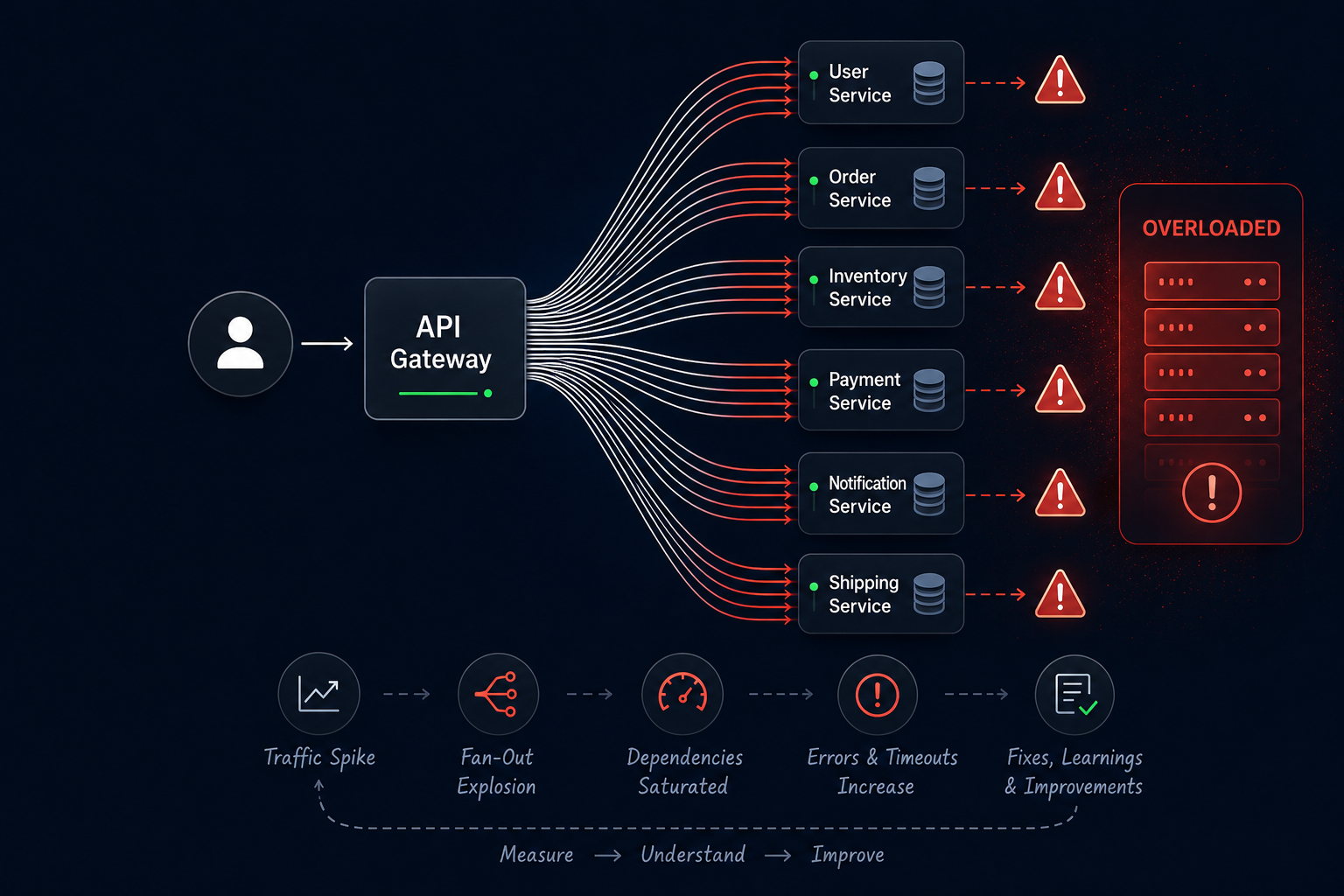
When Parallel Became a Problem: A Backend Engineering Postmortem on Fan-Out Concurrency
Medium
How an innocent Task.WhenAll() brought down our order aggregation service under load — and what we did about it.
Topics: .NET Core Performance
Read article
C# Barcode Library: Comparing 11 Options for .NET Developers in 2026
C# Corner
Explore the top 11 C# barcode libraries for .NET developers in 2026. Compare open-source & commercial SDKs for generating, reading, and scanning barcodes in diverse applications. Find the best fit...
Read article
Deep Dive into ASP.NET Core's WebApplication — What Really Happens Under the Hood
Medium
This single line WebApplication.CreateBuilder(args) does a lot of heavy lifting before your first request ever arrives. Let's peel back…
Topics: ASP.NET Core Web API
Read article
OWASP Top 10 for .NET Developers -Part 3: Preventing Injection Attacks
Medium
Modern web applications process enormous amounts of user-controlled data every second - login credentials, search queries, transaction…
Topics: ASP.NET Core Security Web API
Read article