Span, EF Core, HTTP/3 and DI
Coverage includes ReadOnlySpan on .NET Framework, CRON and RRule evaluation, EF Core identity insert costs, feature flags, Blazor, and AI workflows.
Part of: ASP.NET Core: a working guide for .NET developers, C#: a working guide for .NET developers, EF Core: a working guide for .NET developers, Performance: a working guide for .NET developers
Jasen's top three picks
- 1 Removing byte[] allocations in .NET Framework using ReadOnlySpan
Andrew Lock | .NET Escapades
A useful reminder that Span-based techniques are not just for modern runtimes and can remove surprisingly stubborn byte array allocations on .NET Framework.
- 2 Service Lifetimes in .NET: What Finally Made It Click
Medium
A beginner-friendly explanation of scoped, transient, and singleton lifetimes that focuses on mental models instead of container trivia.
- 3 Evaluating CRON and RRule expressions in .NET
Meziantou's blog
Recurring schedule logic gets messy fast, so a practical look at CRON and RRule evaluation is handy for job runners and calendar-heavy apps.
Editor's note
I like this kind of mixed issue because it moves from low-level runtime details to architecture and tooling without forcing a theme. Andrew Lock’s ReadOnlySpan piece is immediately practical for trimming allocations even on .NET Framework, and the EF Core identity value article is the sort of performance gotcha that can save teams real time on bulk inserts. There’s also a solid spread here across DI, scheduling, HTTP/3, Blazor, AI-assisted workflows, and integration boundaries.
Today's articles
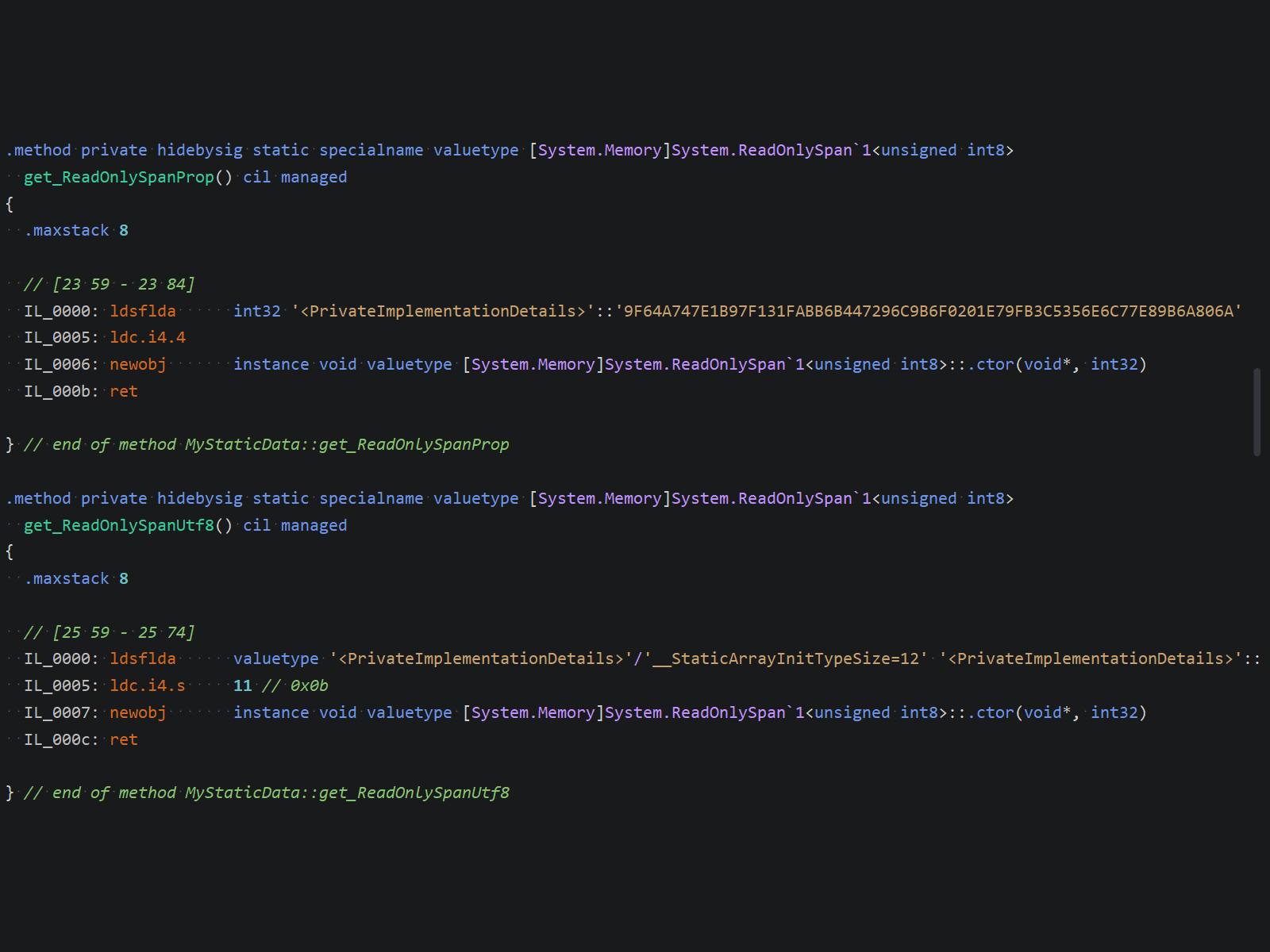
Removing byte[] allocations in .NET Framework using ReadOnlySpan
Andrew Lock | .NET Escapades
In this post I describe how to remove static byte[] allocations, even on .NET Framework, by using Span
Topics: C# .NET Framework Performance
Read article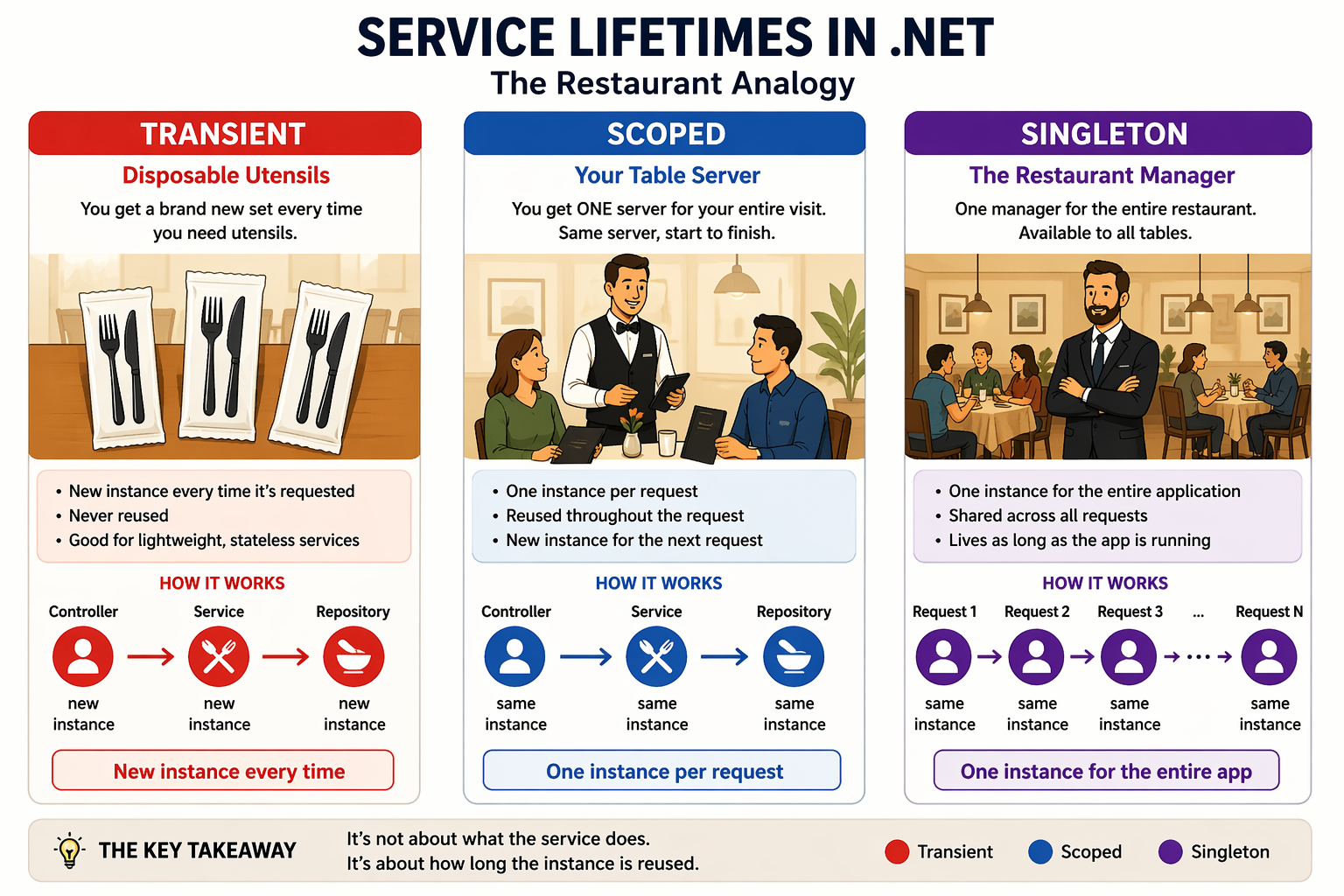
Service Lifetimes in .NET: What Finally Made It Click
Medium
I understood dependency injection, but I didn’t really understand what scoped, transient, and singleton actually meant.
Read article
Evaluating CRON and RRule expressions in .NET
Meziantou's blog
Evaluating recurring date patterns is a common requirement in many applications. Whether you need every day, every Monday at 9 AM, or the last day of each month, you need a reliable way to calculate u...
Read article
Slowly Changing Dimensions: The complete SQL guide
Medium
Data warehouses are designed to answer one key question: what happened, and what did things look like at that time? This is where Slowly…
Topics: SQL Server
Read article
Stop Using Classes for DTOs: Why It’s Time to Switch to Records
Medium
If you are still defining your Data Transfer Objects (DTOs) as classes, you are carrying unnecessary baggage. In the modern C# ecosystem…
Topics: C#
Read article
Feature Management in .NET | Real Production Pattern with Targeting Filter
Medium
Modern applications don’t release features to everyone at once — they rely on controlled rollouts, user targeting, and safe deployments.
Topics: ASP.NET Core .NET Core
Read article
HTTP/3 and QUIC: The Next Generation of .NET Web Performance
Medium
Understanding why the fastest websites are moving beyond TCP and how to implement HTTP/3 in your .NET applications today
Topics: ASP.NET Core Performance
Read article
CodeAct in Agent Framework: Faster Agents with Fewer Model Turns
Microsoft Dev Blogs
Modern AI agents often aren't bottlenecked by model quality, they are bottlenecked by orchestration overhead. When an agent chains together many small tool calls, each step typically requires a new mo...
Topics: OpenAI
Read article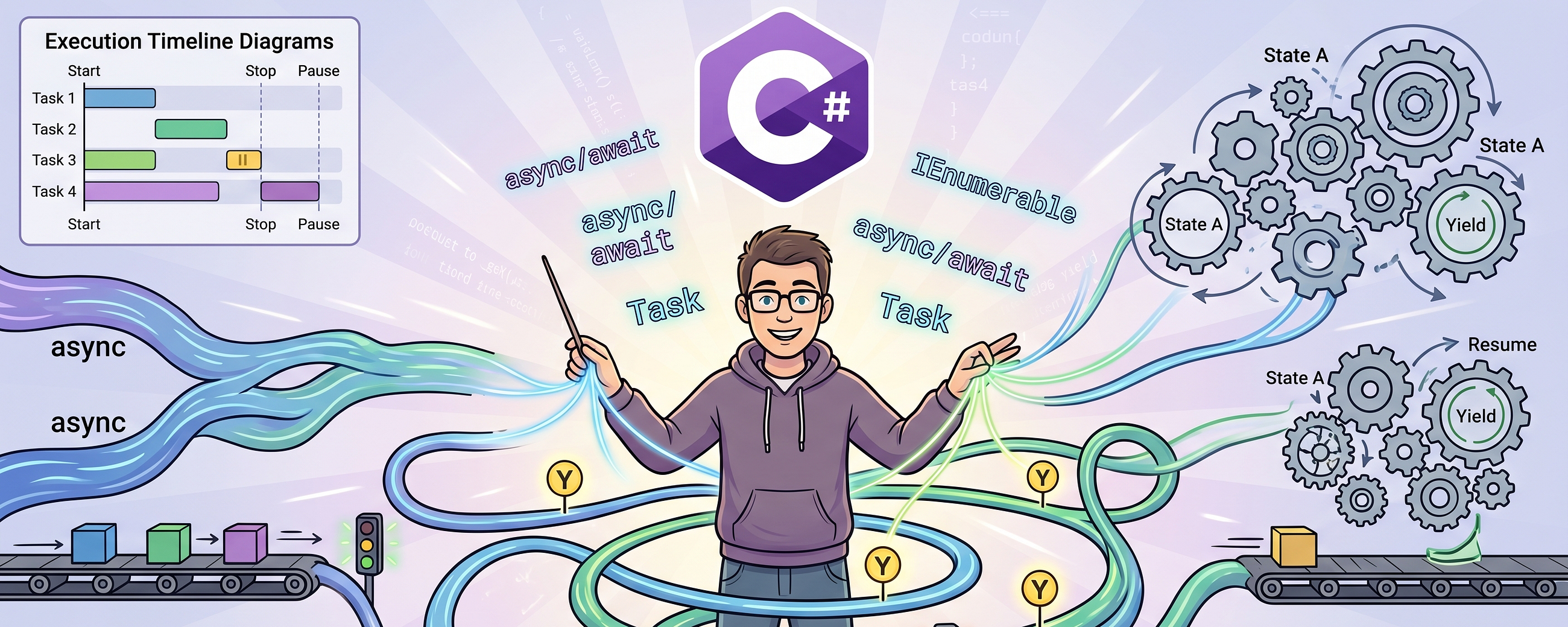
Coroutines in C#: The Missing Guide to Cooperative Programming, Concurrency, and More
Medium
If you’ve ever wondered how coroutines work in C#, you’re not alone. Whether you’ve stumbled upon “co” prefixes in concurrency discussions…
Topics: C#
Read article
The Real Cost of Returning the Identity Value in EF Core
Dev Tips
Learn why EF Core SaveChanges becomes slow when inserting thousands of rows when returning identity values and how BulkInsert and BulkInsertOptimized from Entity Framework Extensions deliver up to 23x
Topics: EF Core Performance SQL Server
Read article
Why .NET and C# Are Still One of the Best Choices for Modern Development in 2026
Medium
If you’ve been around software development for a while, you’ve probably heard people argue about languages and frameworks like it’s a…
Read article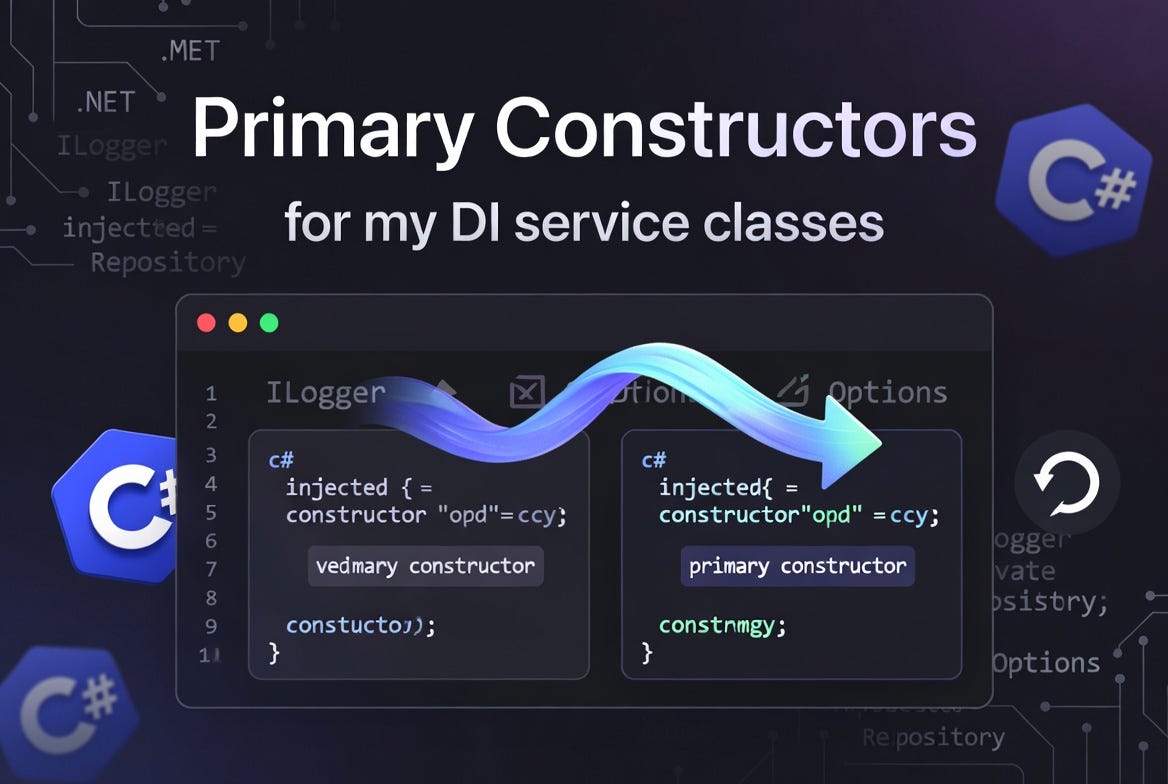
Primary constructors for my DI service classes
Medium
I resisted primary constructors for a while. When C# 12 extended them from record types to regular classes and structs, my gut reaction…
Read article
My Claude Code Workflow
Rockford Lhotka's Blog
I’ve been through a lot of workflow tooling on top of Claude Code over the past few months. They imposed structure — ideate, plan, implement, test, PR — and that structure was genuinely helpful when C...
Topics: GitHub Copilot OpenAI
Read article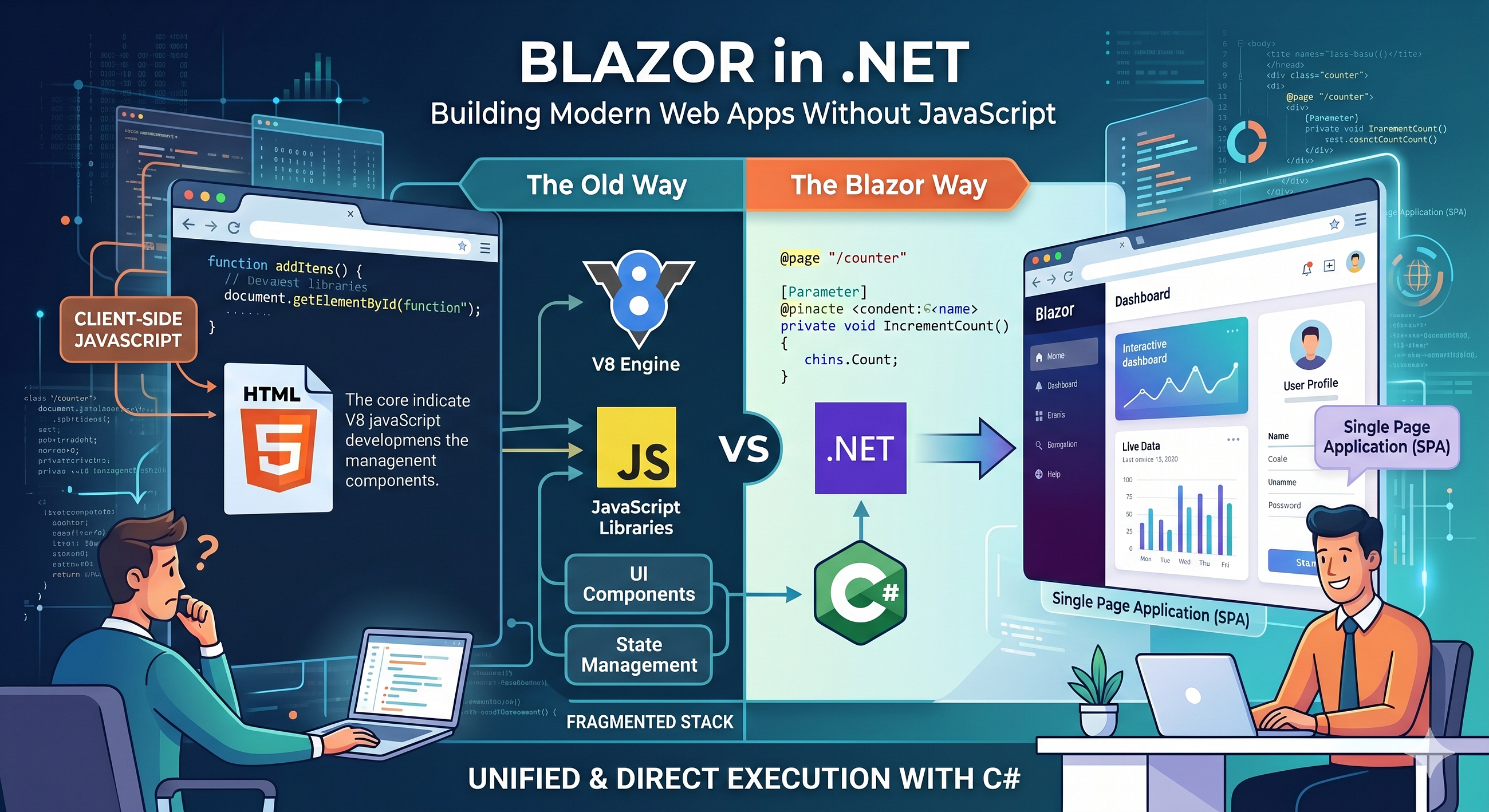
Blazor in .NET: Building Modern Web Apps Without JavaScript
Medium
How Microsoft’s full-stack framework is changing the way .NET developers approach the web
Topics: ASP.NET Core Blazor
Read article
Anti-Corruption Layer in .NET: Protecting Your Domain from External APIs
Medium
We had a clean domain. Orders, customers, payments — all modelled carefully, all speaking the same language. Then we integrated with a…
Topics: Clean Architecture REST API
Read article
Guidance Counselor 2.0 with David McCarter
dotNetTips.com
Join Taylor Desseyn and David McCarter live on the Guidance Counselor 2.0 podcast on April 21, 2026, at 9:30 AM CST. They'll discuss strategies for success in the tech job market, insights from McCart...
Topics: .NET Core
Read article