Cosmos DB Entra ID, AI agents, and .NET performance
A varied .NET roundup covering Entra ID for Cosmos DB, ASP.NET Core client assertions, Blazor callbacks, AI agents, and performance tips.
Jasen's top three picks
- 1 How to Enable Microsoft Entra ID for Azure Cosmos DB (NoSQL)
Microsoft Dev Blogs
Entra ID for Cosmos DB is a practical step away from shared keys and toward cleaner production security.
- 2 🔴 VS Code Live - AI-Powered Kafka Development: Confluent Extension + GitHub Copilot + MCP
YouTube
The Blazor EventCallback article is a useful reminder that UI event patterns matter once async code meets component lifecycles.
- 3 .NET R&D Digest (January, 2026)
WordPress
The string-search performance piece is the kind of focused tuning advice that saves real CPU in busy apps.
Editor's note
I curated a fairly mixed issue today: cloud security, UI behavior, data stores, and some hard-won performance lessons. The Cosmos DB Entra ID post and the ASP.NET Core client assertions article stood out to me because they both tighten real production security without hand-waving. I also liked the Blazor EventCallback piece and the string-performance writeup for the same reason: they explain bugs you only remember after they’ve cost you time.
Today's articles

How to Enable Microsoft Entra ID for Azure Cosmos DB (NoSQL)
Microsoft Dev Blogs
Strengthen Identity Security and Eliminate Account Keys Identity is becoming the new security perimeter. As organizations modernize their cloud applications, long‑lived secrets and shared keys introdu...
Topics: Azure Cosmos DB Security
Read article
🔴 VS Code Live - AI-Powered Kafka Development: Confluent Extension + GitHub Copilot + MCP
YouTube
Getting Started With .NET Aspire 13: Building and Deploying an App With PostgreSQL, Redis, and Docker Compose
Topics: GitHub Copilot Kafka Visual Studio Code
Read article
.NET R&D Digest (January, 2026)
WordPress
This issue includes bits of philosophy, AI, tools, software development, performance, diagnostics, security, architecture and of course .NET and .NET Internals.
Topics: .NET Core OpenTelemetry Performance
Read article
GC Didn’t Save Me: How I Leaked Resources Even Though .NET Has Garbage Collection
Medium
“GC will clean it up eventually, right?”
Topics: .NET Core Performance
Read article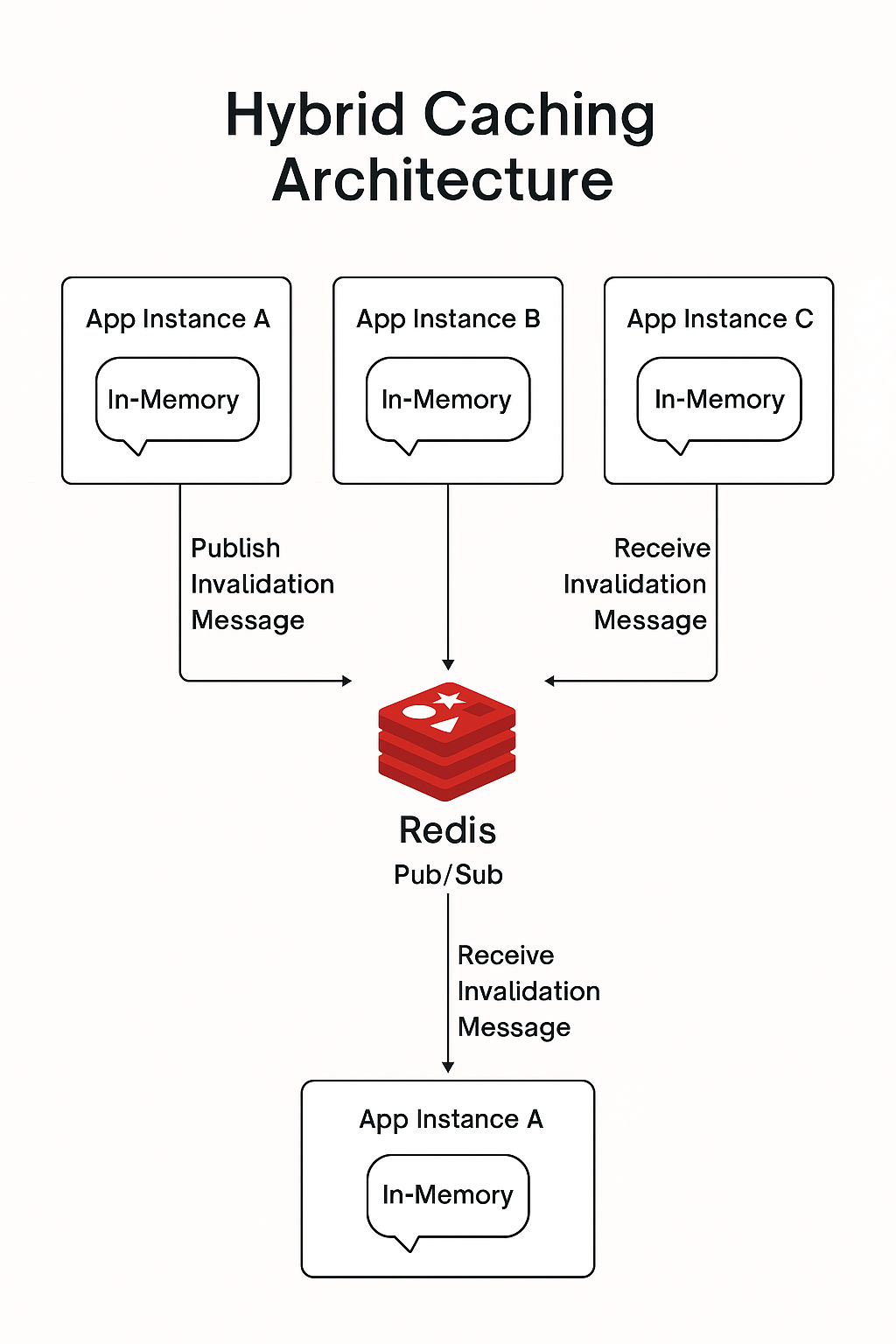
Why I Combined Redis Pub/Sub with In-Memory Cache (Instead of Just Moving Everything to Redis)
Medium
Most engineers, when they hit scaling issues, think: “Let’s move everything to Redis. Problem solved.”
Topics: Clean Architecture Performance Redis
Read article
PostgreSQL on Azure supercharged for AI
Microsoft Azure
From GitHub Copilot AI assistance to built-in model management, Azure is helping devs and enterprises unlock the full potential of PostgreSQL. The post PostgreSQL on Azure supercharged for AI appeare...
Topics: Azure OpenAI PostgreSQL
Read article
Why Choosing Classes Over Structs Almost Broke My .NET App — And How Value Types Saved It
Medium
“Why did my API suddenly slow down under load, even though nothing in the code changed?”
Topics: C# .NET Core Performance
Read article
CQRS with .NET 10 (2026): Build Systems That Don’t Double-Charge, Don’t Oversell
Medium
A practical, production-minded guide with creative scenarios, sharp rules, and copy-paste checklists Continue reading on CodeX »
Topics: Clean Architecture CQRS .NET 10
Read article
Func vs EventCallback: They Look the Same — Until the UI Gets Involved
Medium
“It’s async. It compiles. It works.” So why does Blazor insist on having EventCallback?
Topics: ASP.NET Core Blazor Performance
Read article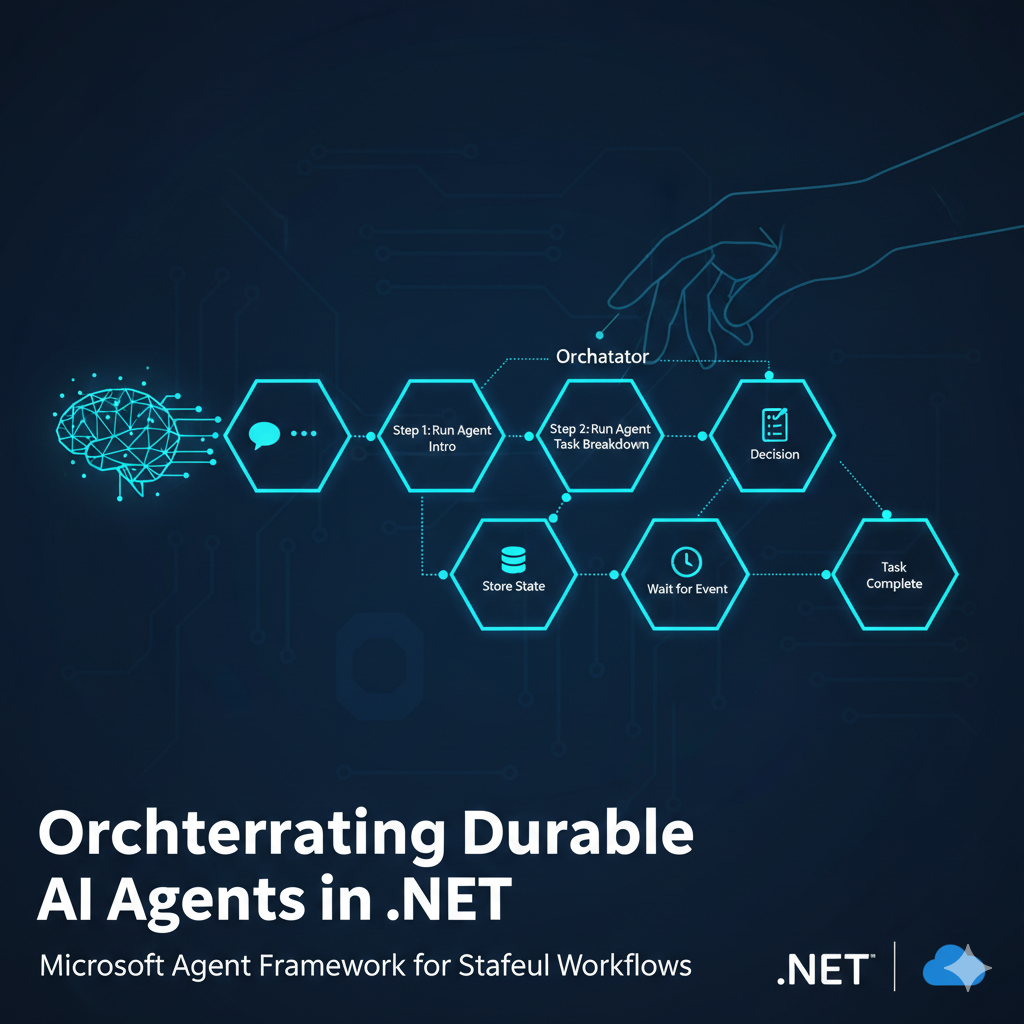
Orchestrating Durable AI Agents in .NET
Medium
In modern AI systems, it’s not enough for agents to handle single requests — they must coordinate complex, multi-step workflows that can… Continue reading on GoPenAI »
Topics: C# OpenAI Semantic Kernel
Read article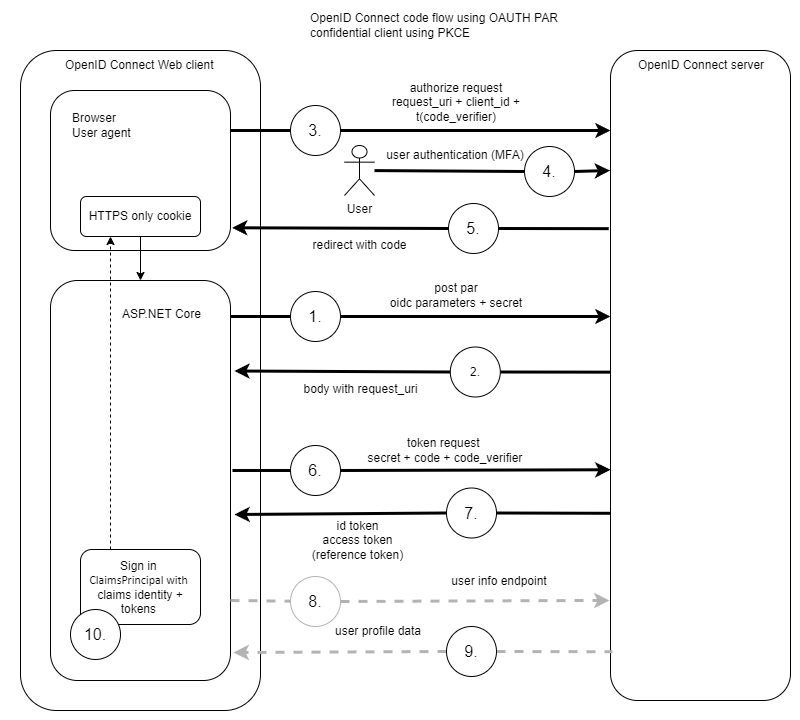
Use client assertions in ASP.NET Core using OpenID Connect, OAuth DPoP and OAuth PAR
Software Engineering
This post looks at implement client assertions in an ASP.NET Core application OpenID Connect client using OAuth Demonstrating Proof of Possession (DPoP) and OAuth Pushed Authorization Requests (PAR). ...
Topics: ASP.NET Core OAuth Security
Read article
Building Your First AI Agent in C# with Microsoft Agent Framework
Medium
From chatbot to agent in 15 minutes — a practical guide for .NET developers
Read article
String Performance: Why Some String Searches Are Slower Than You Think
WordPress
String searching is fundamental to modern applications, yet its performance impact is often overlooked. This article explores how common string search patterns can quietly slow down your code—and how ...
Topics: C# .NET Core Performance
Read article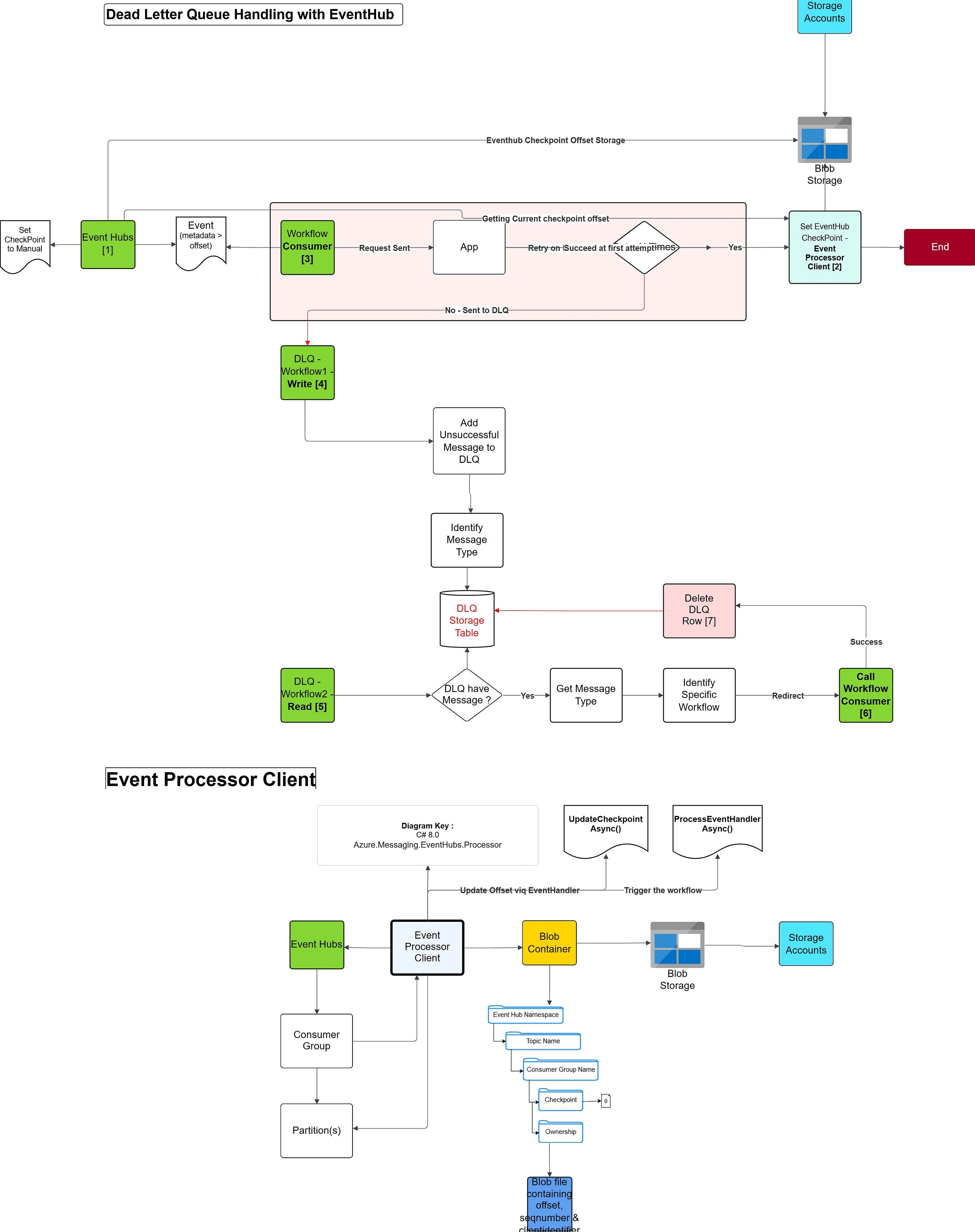
DLQ — Dead letter queue handling with azure eventhub
Medium
Stop Using In-Memory Databases for Integration Tests in .NET
Topics: Azure Event Sourcing Service Bus
Read article