performance
.NET Performance and Optimization Articles, Tutorials & News
.NET Performance and Optimization articles, tutorials, and news from the DotNetNews archive.
1707 articles Updated Page 5 of 69
Browse additional .NET Performance and Optimization articles from the DotNetNews archive.
.NET Performance and Optimization articles
Page 5 of 69
Newest first
-
Why Is Your ASP.NET Core API Slow? Start With These 10 Checks
Medium - Converge Solution Issue #553
Your ASP.NET Core API is slow.
-
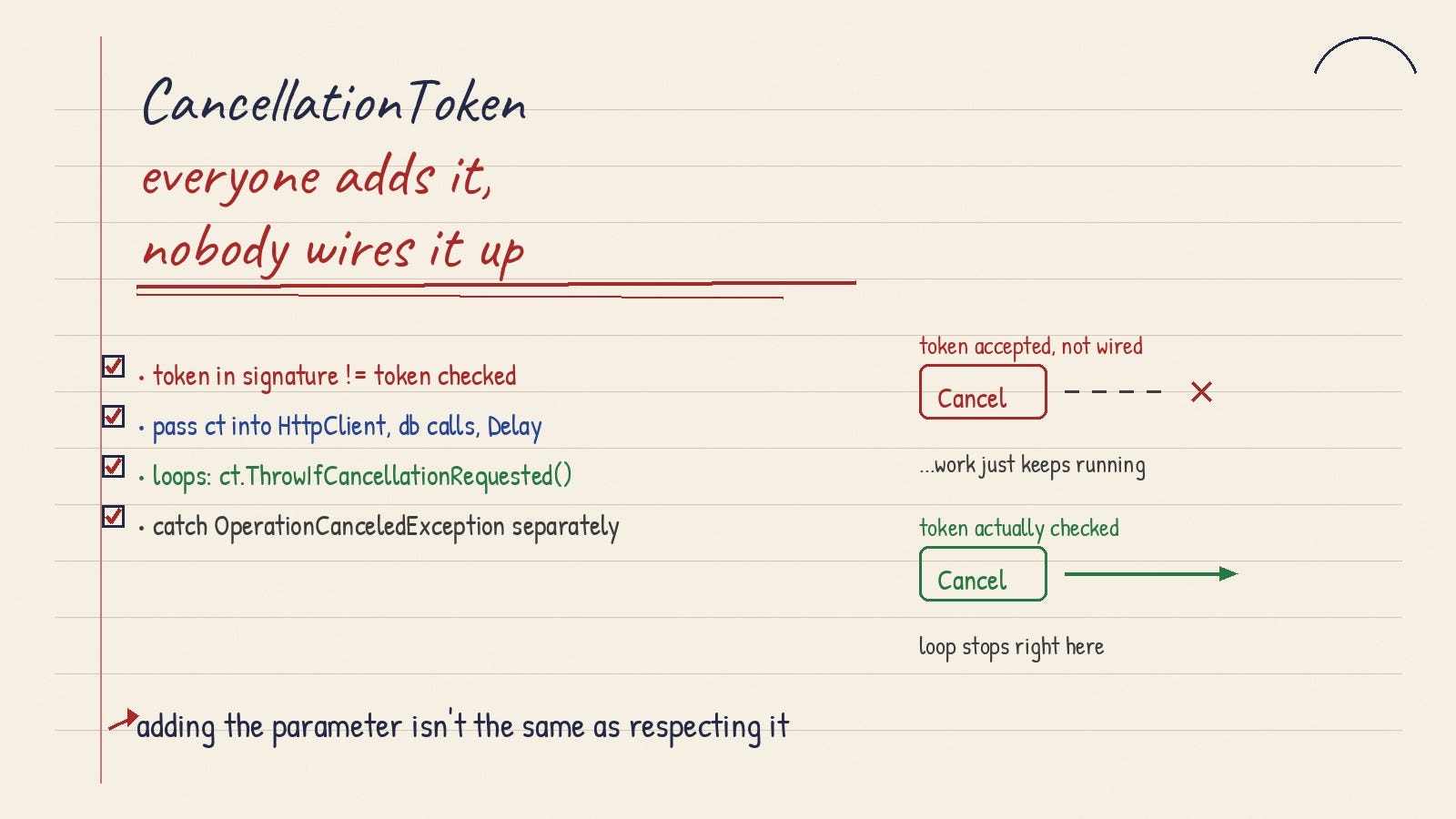
CancellationToken: The Parameter Everyone Adds but Nobody Wires Up
Medium - Suhasini Darade Issue #552
It’s sitting in almost every async signature in your codebase. Most of the time, it’s doing nothing.
-

Performance improvements in .NET 11
C# Digest - [email protected] (Jakub Chodounsky) Issue #551
.NET 11 brings hundreds of small performance improvements across the runtime and libraries
-
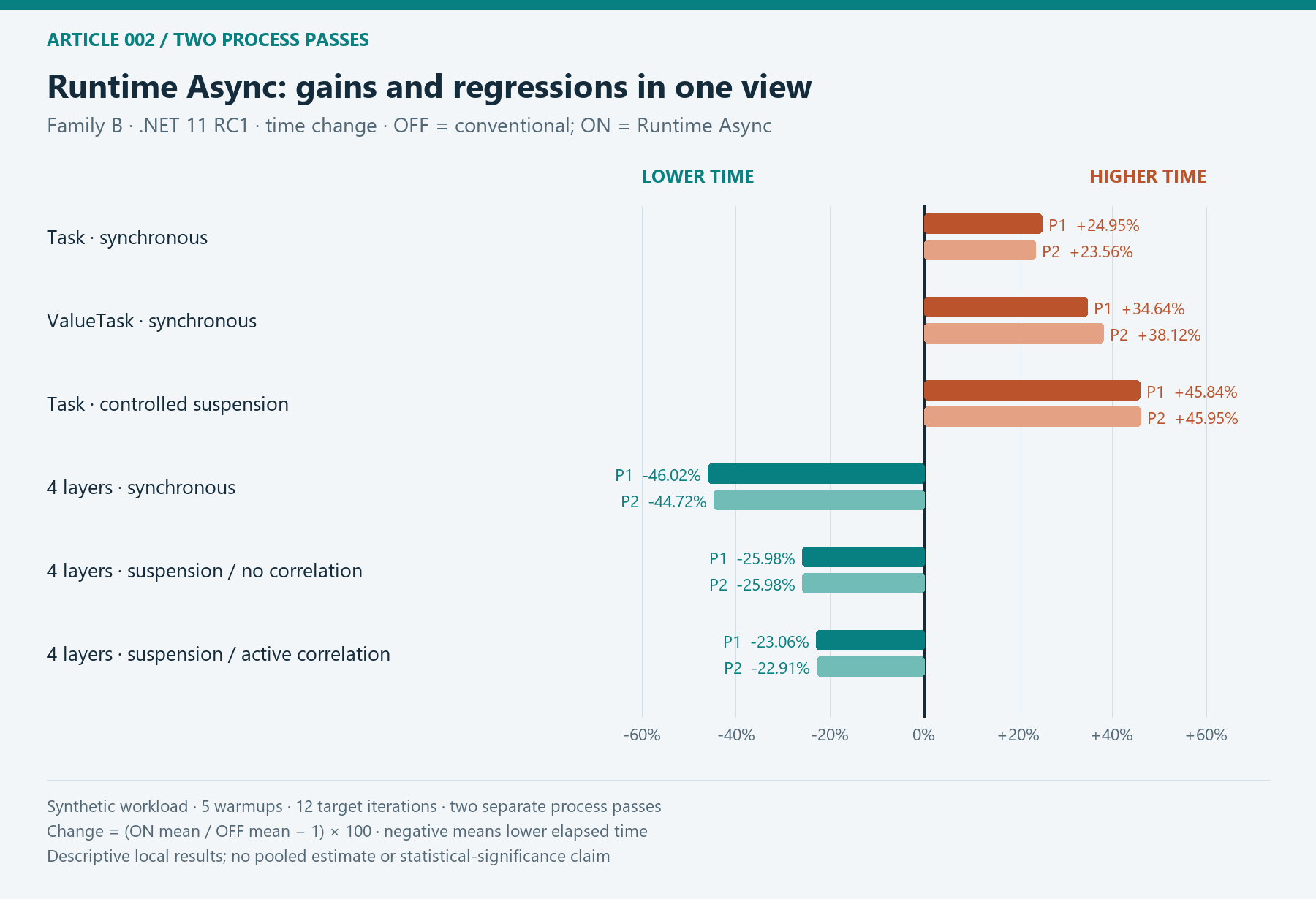
.NET 11 Runtime Async: Faster Layers, Slower Single Calls
Medium - Tolga YILDIZ Issue #551
Two separate benchmark families, verified compiler activation, and the limits of cleaner stack traces in RC1.
-

What It Took to Make a Mobile App Usable on the World’s Worst Networks, Without Buying Anything
Medium - Mikhail Petrusheuski Issue #551
Six weeks of measured work on a .NET MAUI app: p90 home-load latency from 26.2 to 6.6 seconds, failure rate from 70.9% to 32.4%, and one…
-

Ultimate Guide to Handling 1 Million Requests Per Second: Engineering at the Scale of Giants
Medium - Dhananjay Patil Issue #550
A Deep Dive into CPU Utilization, Multithreading, Clustering, Load Testing, Databases, Redis, C++, Network Optimization and High-Scale…
-
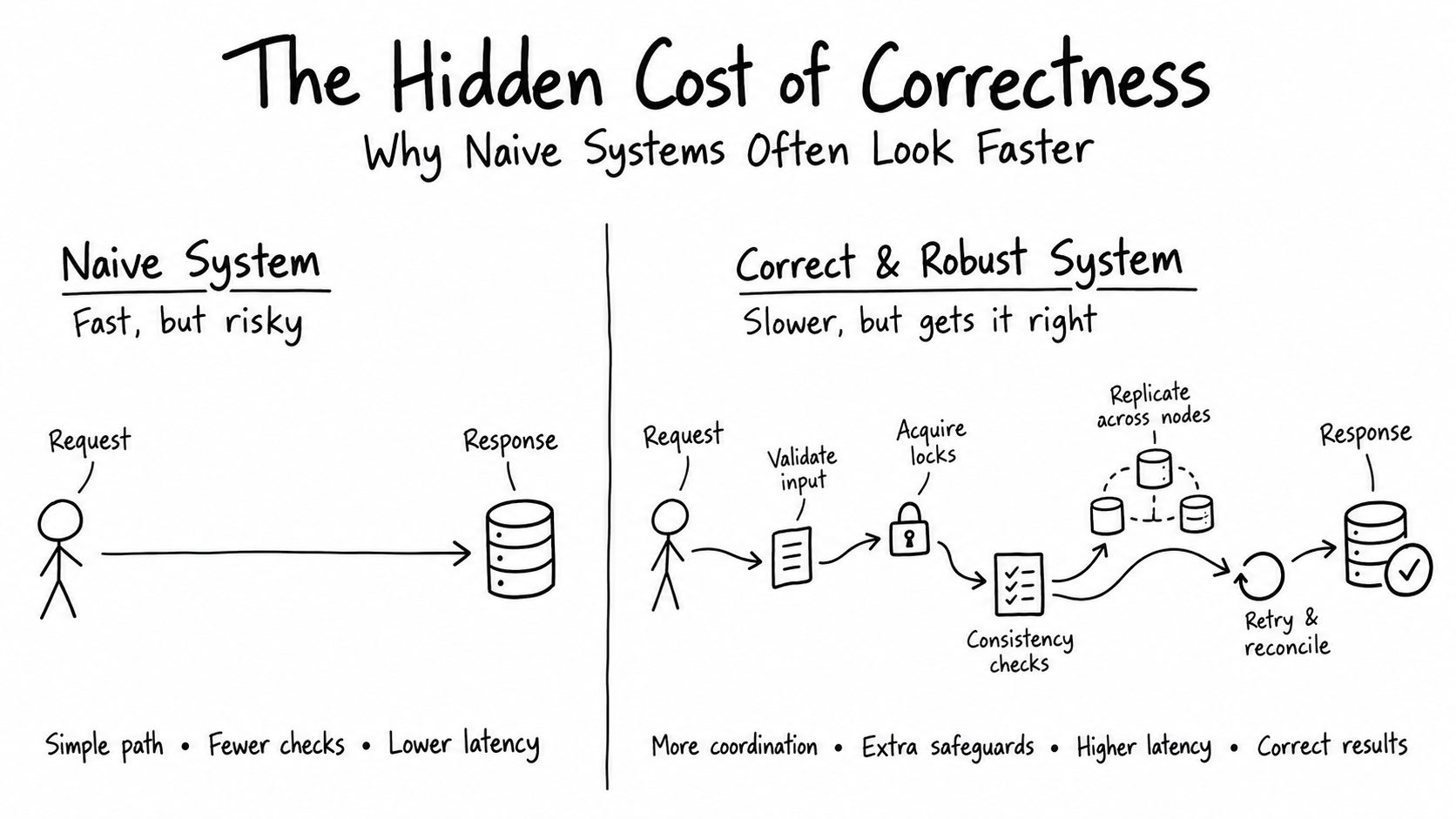
The Hidden Cost of Correctness: Why Naive Systems Often Look Faster
Medium - Andres Gutierrez Issue #550
One of the hardest lessons I have learned while building distributed systems is that performance and correctness are not independent goals.
-
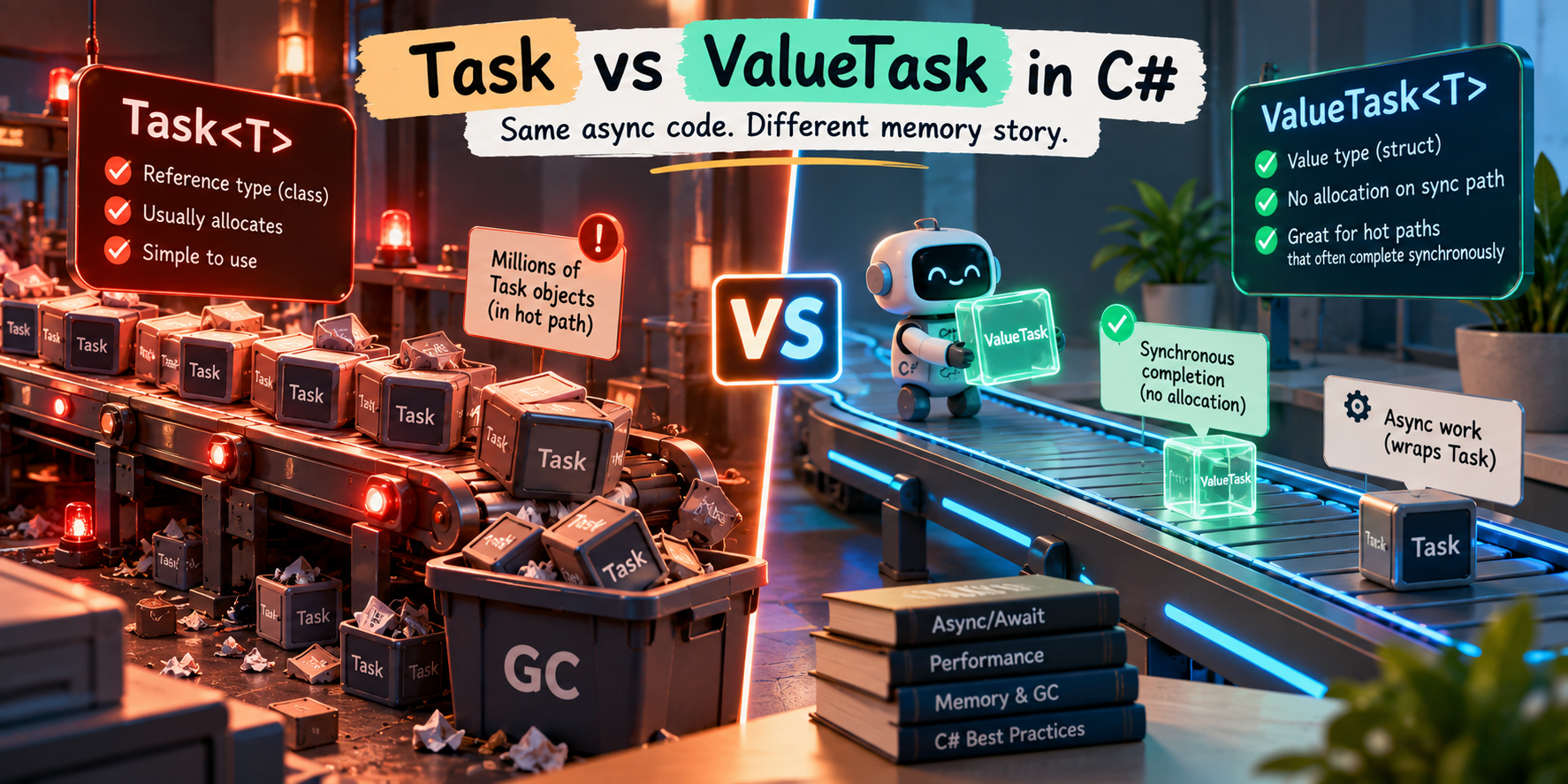
⚡ Task vs ValueTask in C#: When Should You Actually Use ValueTask?
Medium - Ravikumar Makwana Issue #550
For years, I returned Task from almost every async method. And honestly? That’s usually the right choice.
-
The Tiny C# Attribute That Stops Your Stack Being Zeroed
Medium Issue #549
There is a one-line C# attribute that tells the runtime it doesn’t need to initialise your local variables to zero before a method starts…
-
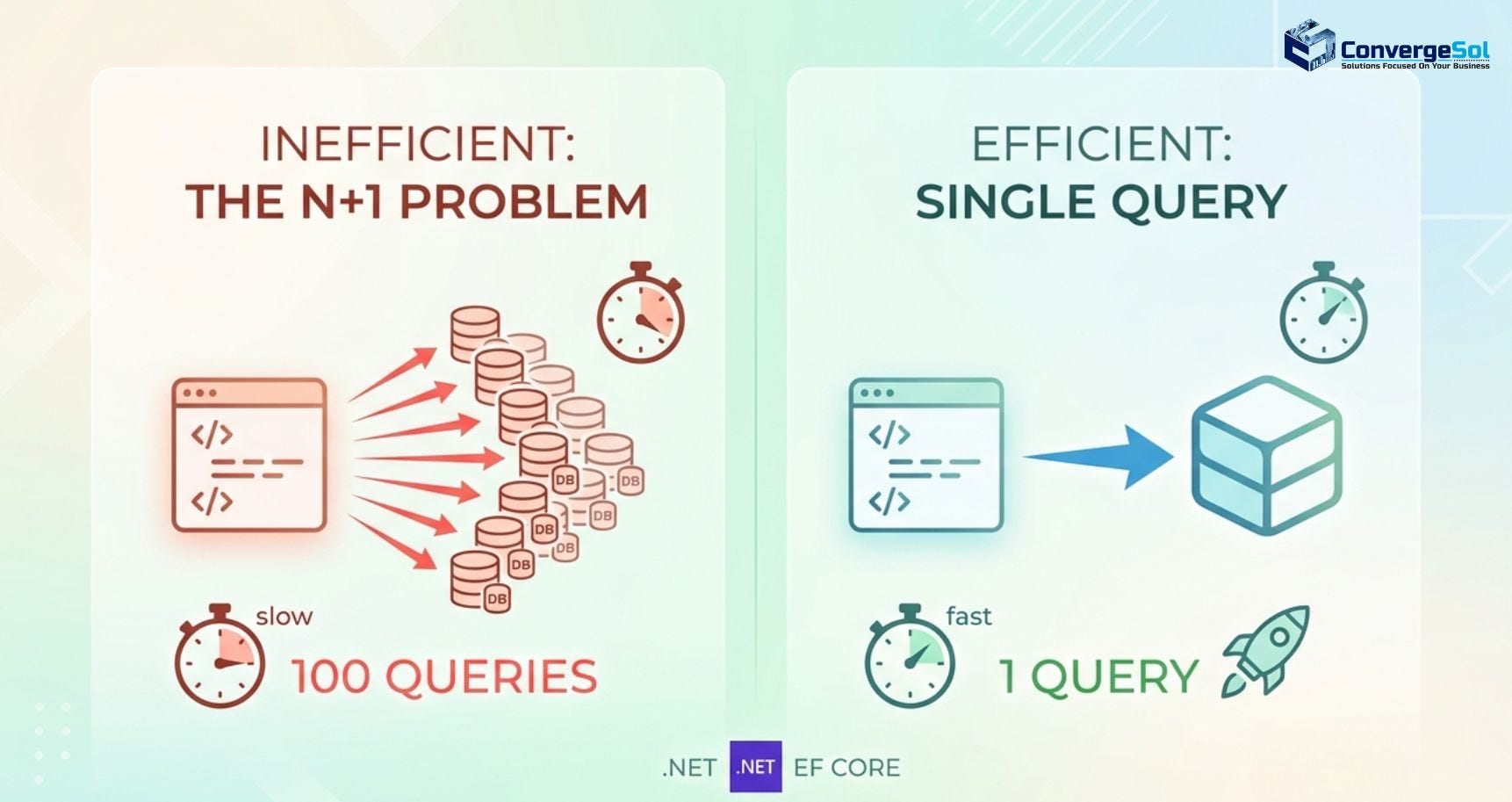
EF Core N+1 Query Problem: How to Detect, Measure, and Fix Excessive Database Queries
Medium Issue #549
Your EF Core application can return the correct data, pass every functional test, and still have a serious database performance problem.
-
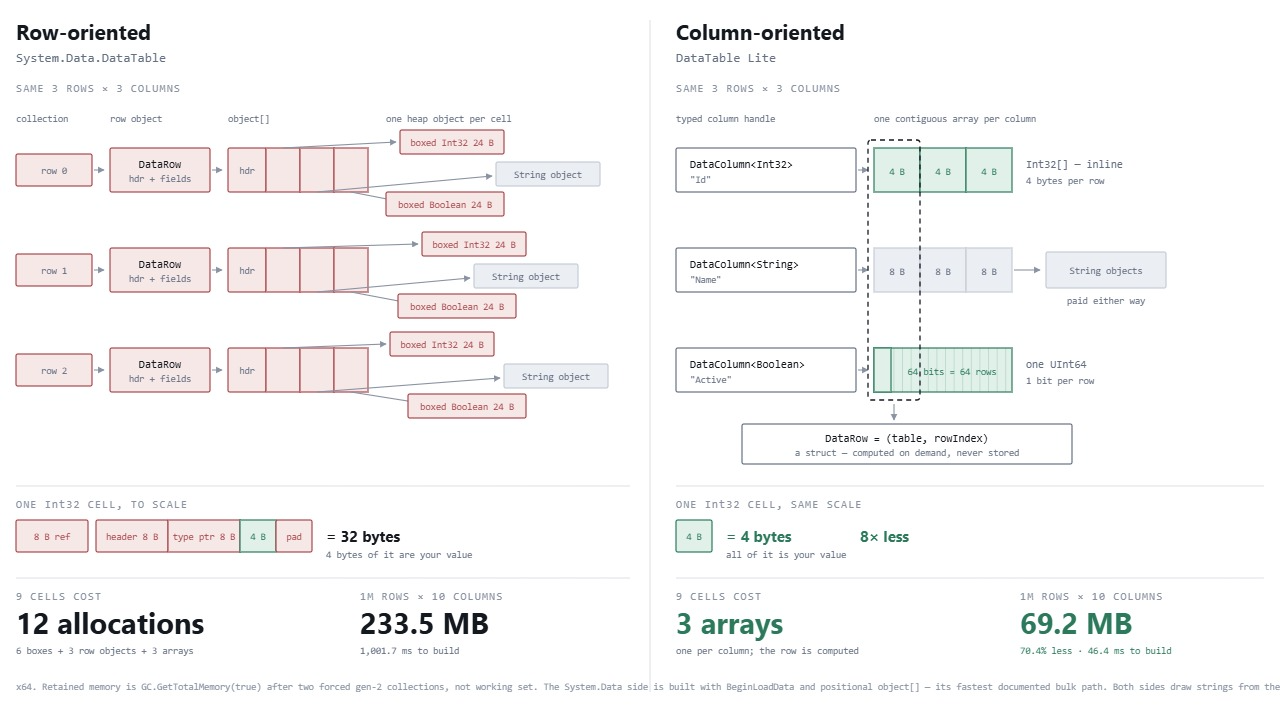
I Rebuilt C#’s DataTable: Up to 70% Less Memory, 2.9× Faster
Medium Issue #549
C#’s DataTable is shipped with .NET Framework 1.0 in 2002. It has never been rebuilt. Here is a reimagined column-oriented storage version…
-
Bringing Correctly Rounded Math to Production with LLVM-libc
Microsoft Dev Blogs Issue #548
As we mentioned in the last cmath blog post, MSVC is using LLVM-libc for compile-time evaluation and runtime execution of math functions when /Zc:cmath is enabled. I invited LLVM-libc contributors Mic...
-

-

Best Practices for High-Performance .NET Web APIs
Medium Issue #547
In today’s software development landscape, building high-performance APIs is essential for providing users with a fast, reliable, and…
-
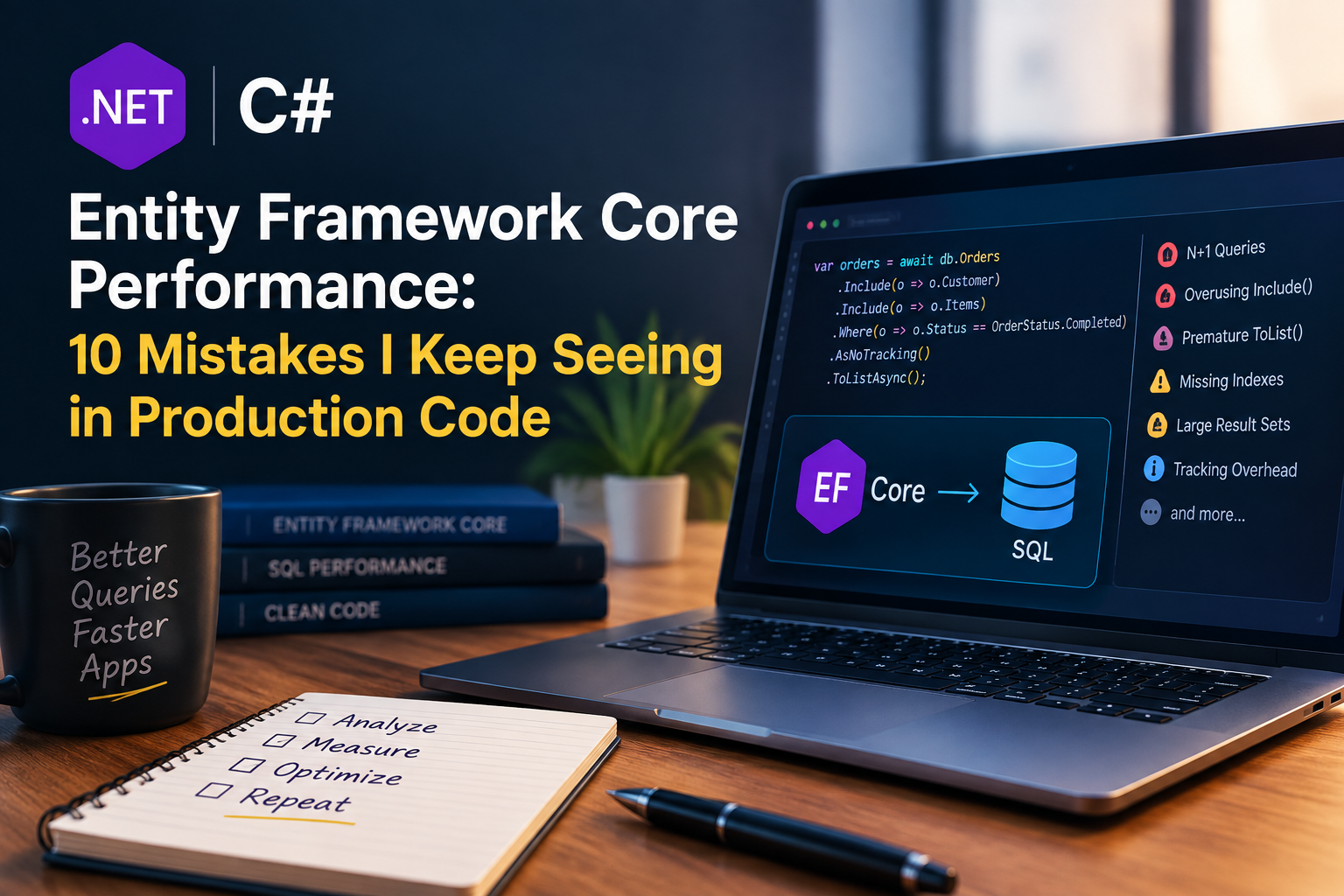
Entity Framework Core Performance: 10 Mistakes I Keep Seeing in Production Code
Medium Issue #547
Entity Framework Core makes database access feel deceptively simple. You write a LINQ query, call ToListAsync(), get your objects back and… Continue reading on CodeToDeploy »
-
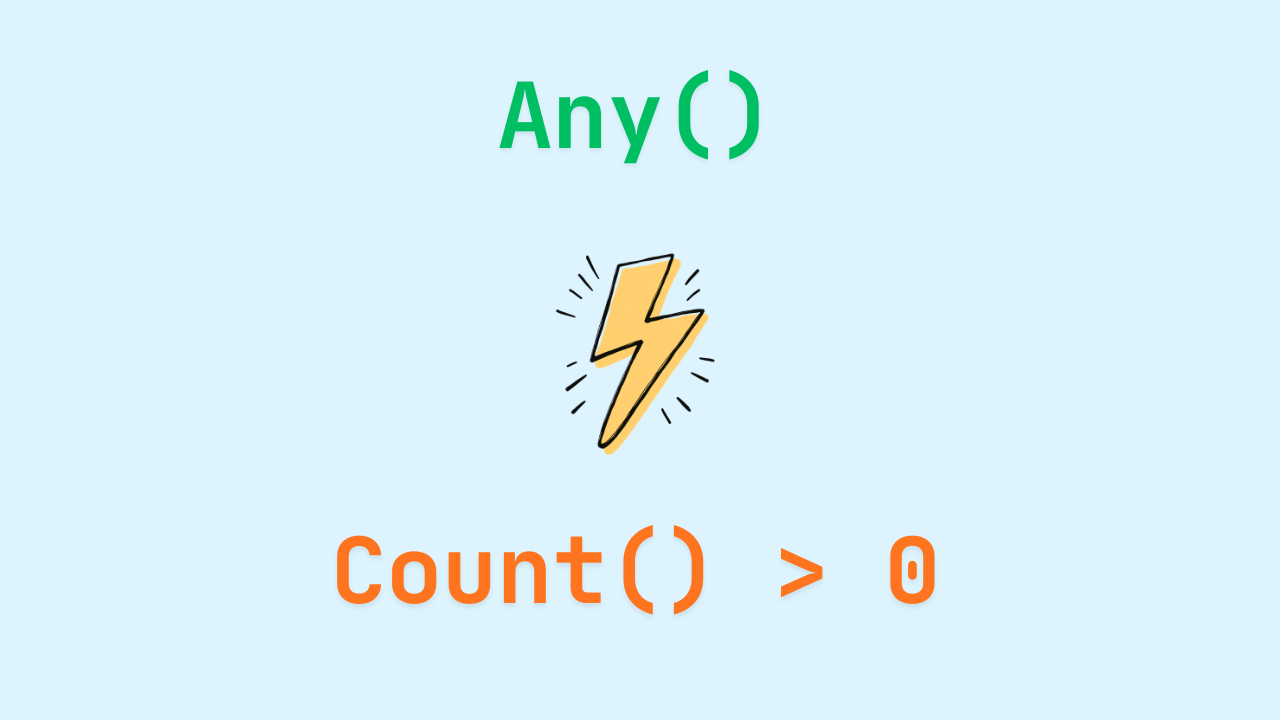
Is Any() Really Better Than Count() > 0?
Medium Issue #546
Like everything else in life, it depends.
-

Adding an Index Made This Query Slower
Milan's .NET Weekly Issue #546
A query already had a usable index. Adding another index made Postgres choose a plan that discarded almost half a million rows to return ten.
-

std::call_once vs. std::async
Microsoft Dev Blogs Issue #545
Last time, we compared magic statics with std::call_once and concluded that std::call_once lets you construct magic statics-like behavior for non-static variables. But there is also
-

Performance Improvements in .NET 11
Microsoft Dev Blogs Issue #545
Before television shows like The Office and Parks and Recreation cemented the mockumentary in the minds of millions, there was Christopher Guest. He didn't invent the genre, but he's widely recognized...
-
Magic statics vs. std::call_once
Microsoft Dev Blogs Issue #545
Suppose you have some function like bool should_use_widgets() { bool supported = ⟦ complex code to check OS features ⟧; return supported && is_configuration_enabled("widgets"); } Since OS Widget suppo...
-
Optimistic vs Pessimistic Concurrency in .NET
Medium Issue #545
Almost everyone had this situation in production: a customer changed the delivery address on a shipment, saved it, saw the confirmation… Continue reading on CodeX »
-

Microsoft.Extensions.AI Failover: Benchmarking Multi-Provider AI Recovery
C# Corner Issue #544
Learn how to benchmark Microsoft.Extensions.AI failover across multiple AI providers, measuring recovery time, latency, reliability, retries, and operational cost.
-
Why is the x86 undefined instruction called ud2 ? Why 2?
Microsoft Dev Blogs Issue #544
If you look at x86 compiler output (or if, like me, you're looking at a crash caused by some software that tried to detour an API), you may see an instruction ud2. What's up with that? The ud2 instruc...
-

E4: Optimize performance and scalability with Azure SQL Database Hyperscale
YouTube Issue #543
Bob and Anna demo Azure SQL Database Hyperscale’s unique architecture, including independent scaling for compute and storage to help manage changing application demands without disruptions. 0:00: Intr...
-
Numerics.NET with Jeffrey Sax
.NET Rocks! Issue #542
So what can numerics do for you? Carl and Richard talk to Jeffrey Sax about his work building Numerics.NET, a collection of general-purpose mathematical and statistical classes built for .NET. Jeffrey...