data access
Entity Framework Core Articles, Tutorials & News
Entity Framework Core articles, tutorials, and news from the DotNetNews archive.
556 articles Updated Page 2 of 23
Browse additional Entity Framework Core articles from the DotNetNews archive.
Entity Framework Core articles
Page 2 of 23
Newest first
-

PostgreSQL 19 Beta: Benchmarking JSONB Indexes with EF Core
C# Corner Issue #528
Benchmark PostgreSQL 19 Beta JSONB indexes with EF Core by measuring query performance, indexing strategies, execution plans, storage, and application response times.
-
.NET 11 Preview 7 Brings Updates Across C#, ASP.NET Core, EF Core, and Windows Forms - infoq.com
InfoQ Issue #528
.NET 11 Preview 7 Brings Updates Across C#, ASP.NET Core, EF Core, and Windows Forms infoq.com
-

The Silent Performance Killer: Understanding the N+1 Query Problem in EF Core
C# Corner Issue #527
Learn how to identify and fix the N+1 query problem in Entity Framework Core using Include, projection, relationship queries, and efficient LINQ patterns to improve database performance.
-
Benchmarking PostgreSQL 19 Beta Planner Changes with EF Core
C# Corner Issue #527
Benchmark PostgreSQL 19 Beta query planner changes with EF Core using realistic workloads, execution plans, query latency, throughput, and database performance metrics.
-
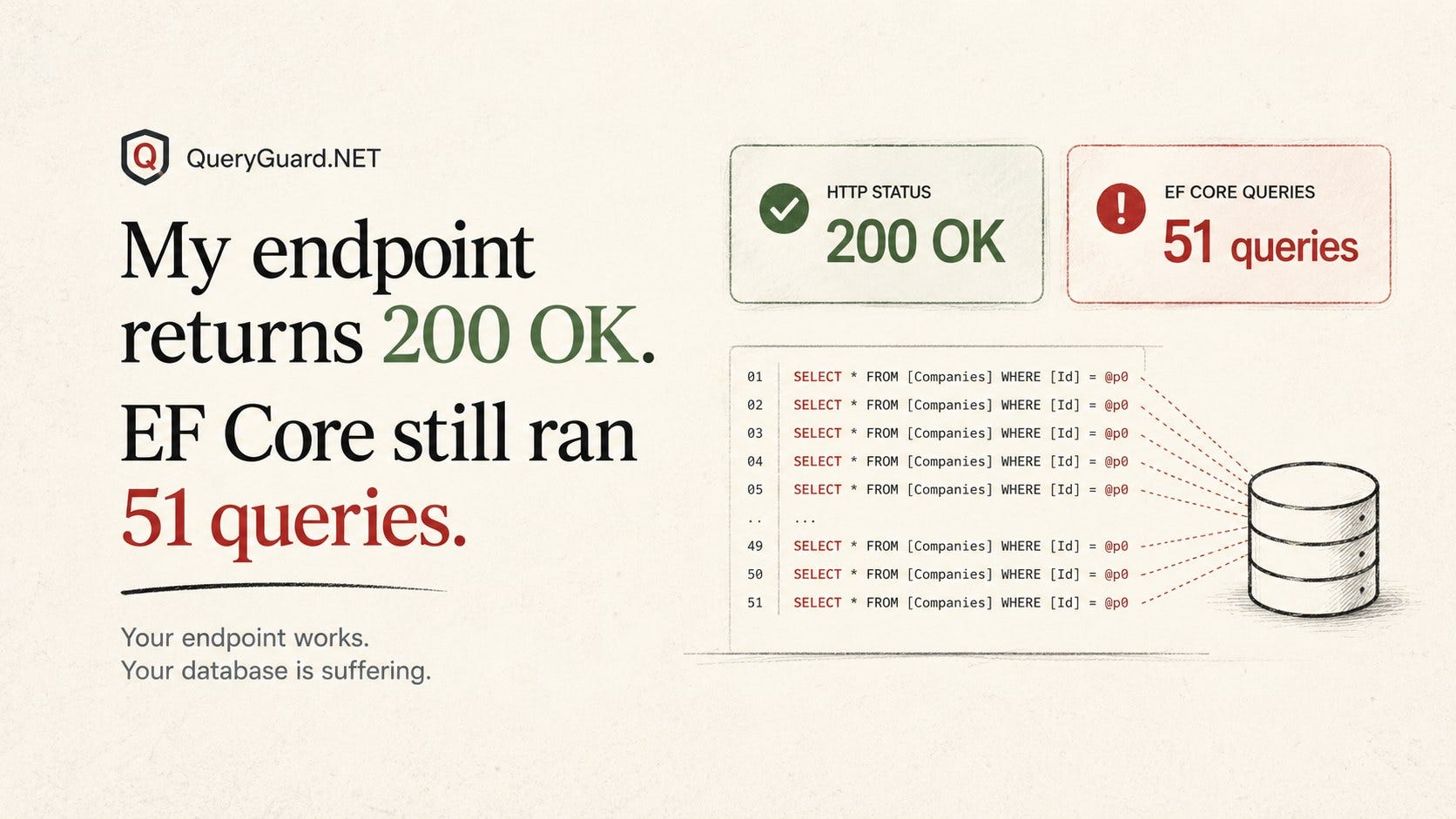
My API Test Passed. EF Core Still Run 51 Queries.
Medium Issue #526
I was working on an EF Core endpoint and noticed something I’d probably ignored plenty of times before.
-
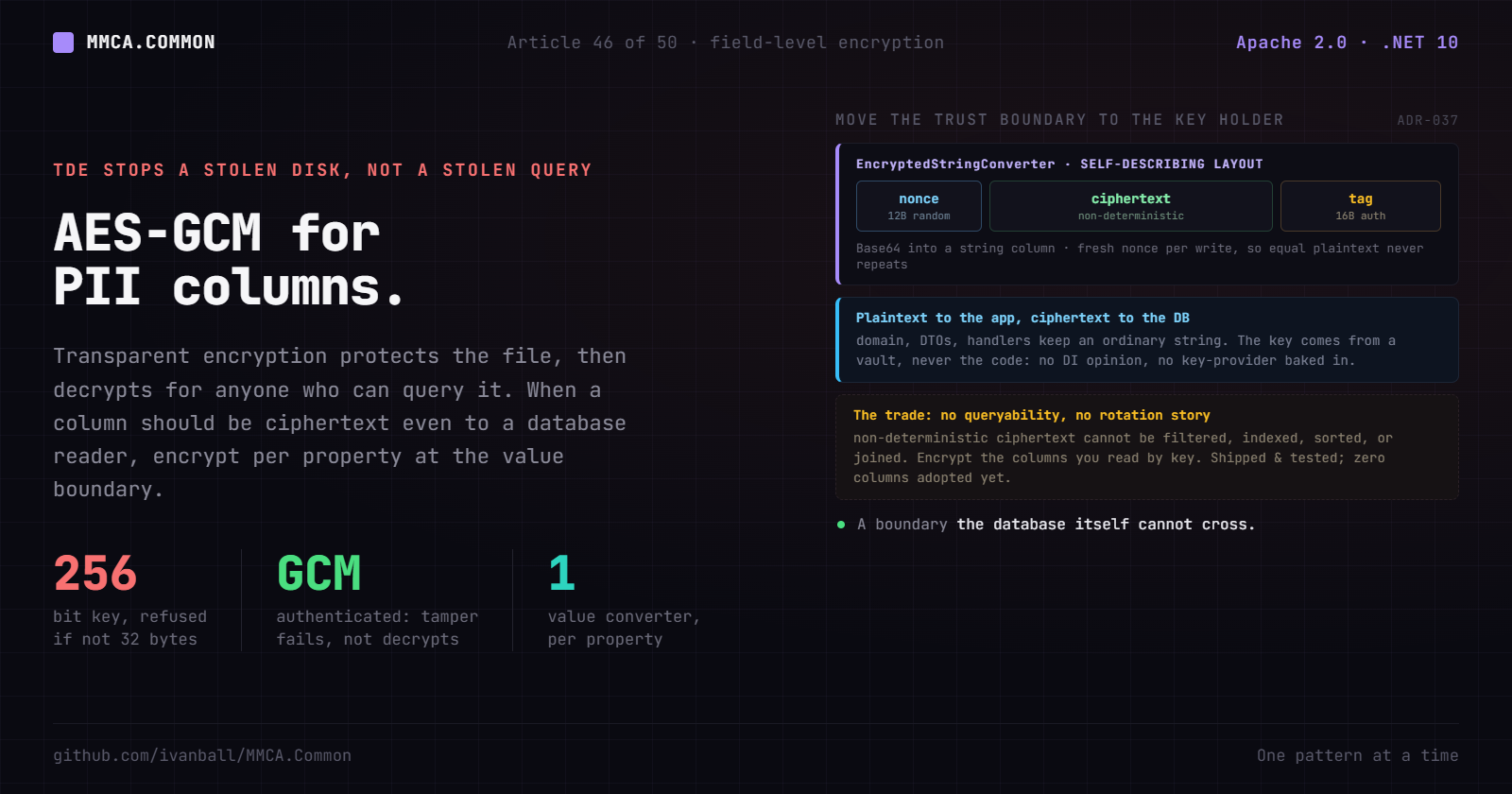
Field-Level Encryption in EF Core: AES-GCM for PII Columns
Medium Issue #524
Transparent database encryption protects the file, then decrypts for anyone who can query it. When a column holds data sensitive enough…
-
EF Core 11 Query Translation Changes Under Real Workloads
C# Corner Issue #523
Evaluate EF Core 11 query translation changes with real workloads. Learn to benchmark, inspect SQL, and analyze execution plans for optimal performance.
-

Full Outer Joins in LINQ: Performance and SQL Translation
C# Corner Issue #523
Explore .NET 11's FullJoin in LINQ for explicit full outer joins. Optimize database queries with EF Core translation and understand performance implications.
-
Benchmarking PostgreSQL 18 AIO with Real EF Core Workloads
C# Corner Issue #523
Benchmark PostgreSQL 18 AIO with EF Core workloads. Measure impact on ASP.NET Core apps, storage I/O, and query performance.
-
.NET Data Community Standup: You won't believe what Chris is doing with EF interceptors 🤯
YouTube Issue #522
Join us for another show where Chris Klug shows us all the things he uses interceptors for! 🎙️ Featuring: Chris Klug, Jiri Cincura #ef #efcore #data #dotnet #interceptors
-
SQL Server Vector Search: Benchmarking EF Core Workloads
C# Corner Issue #521
Benchmark SQL Server vector search with EF Core. Explore exact vs. approximate search, performance factors, and best practices for RAG.
-
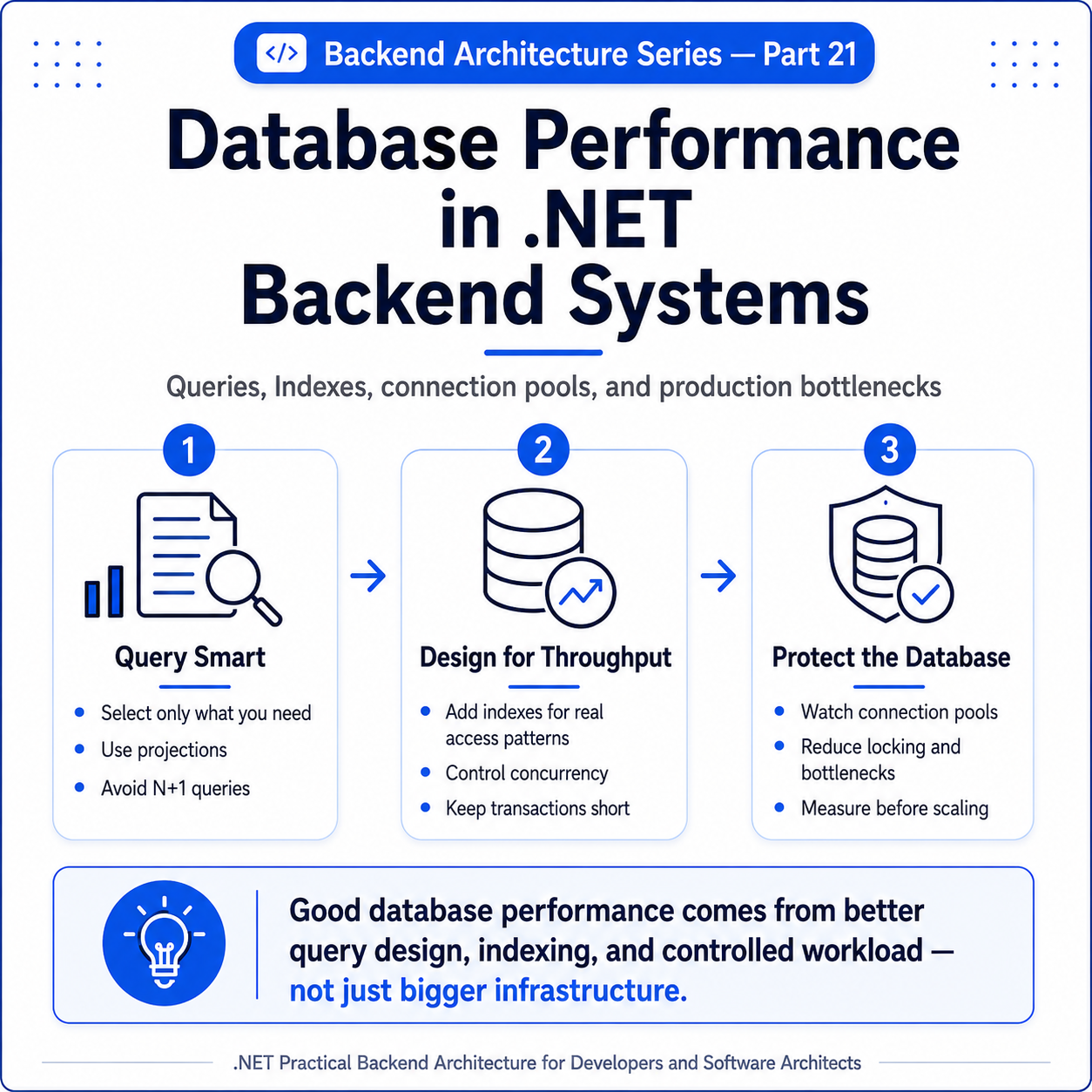
Database Performance in .NET
Medium Issue #521
In Part 1, I wrote about boundaries. In Part 2, I wrote about aggregates and invariants. In Part 3, I wrote about domain events. In Part 4…
-
Deep Dive into EF Core Query Performance: Default Tracking vs. AsNoTracking
C# Corner Issue #520
In Entity Framework Core (EF Core), query performance and memory management are heavily governed by one underlying mechanism: Change Tracking. While EF Core's default tracking behavior makes data muta...
-

EF Core Tracking Is Silently Wasting Your Memory
Medium Issue #520
Your endpoint returns 50 order summaries. The query allocates objects for every matching order.
-
Benchmarking EF Core Complex-Type Indexes at Scale
C# Corner Issue #520
Benchmark EF Core 11 complex-type indexes at scale. Measure query latency, reads, CPU, execution plans, and write overhead.
-
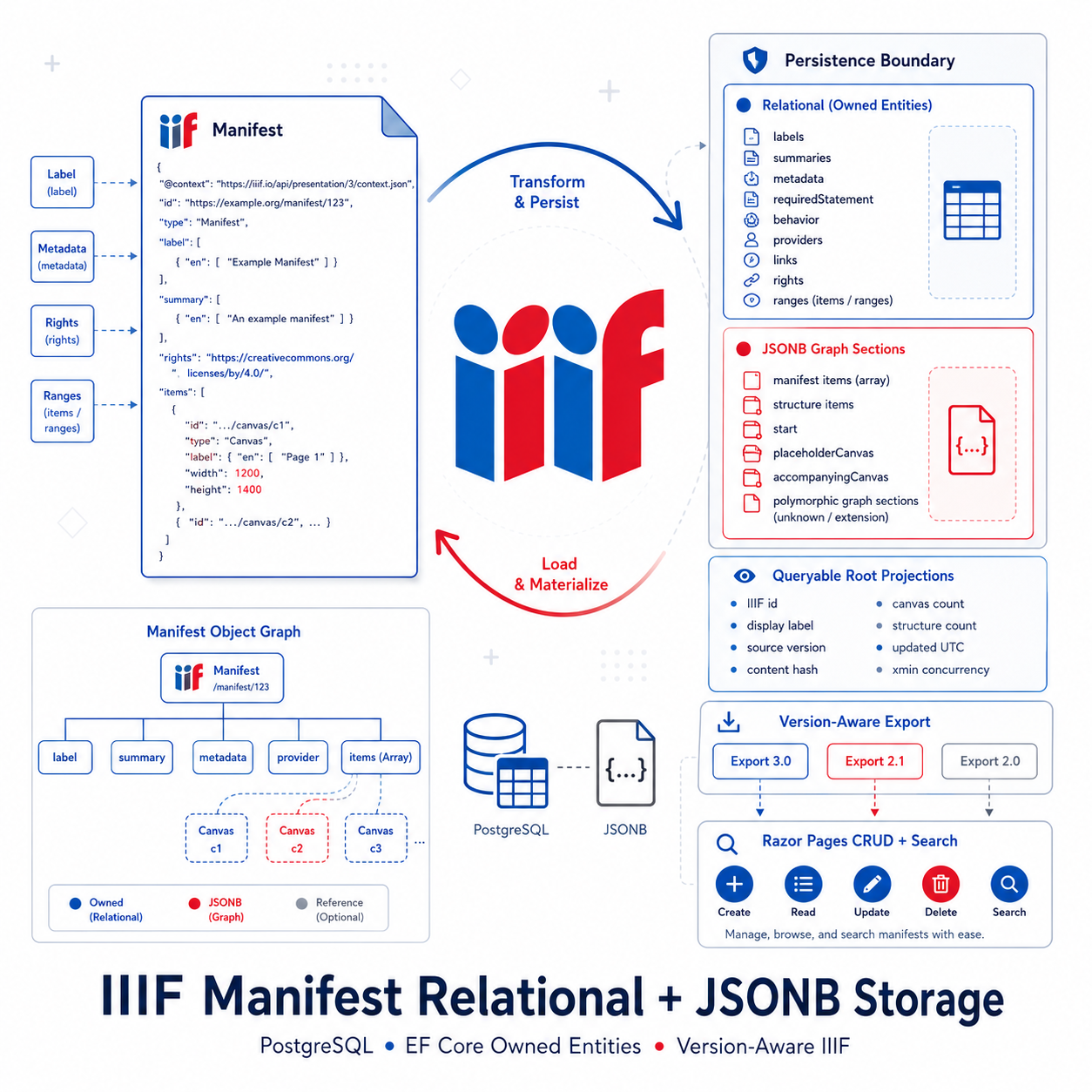
Relational Where It Helps, JSONB Where It Must: Persisting IIIF Presentation 3 in PostgreSQL with…
Medium Issue #519
A proof of concept using the real IIIF Manifest object model, EF Core owned entities, Razor Pages, PostgreSQL, and careful JSONB
-
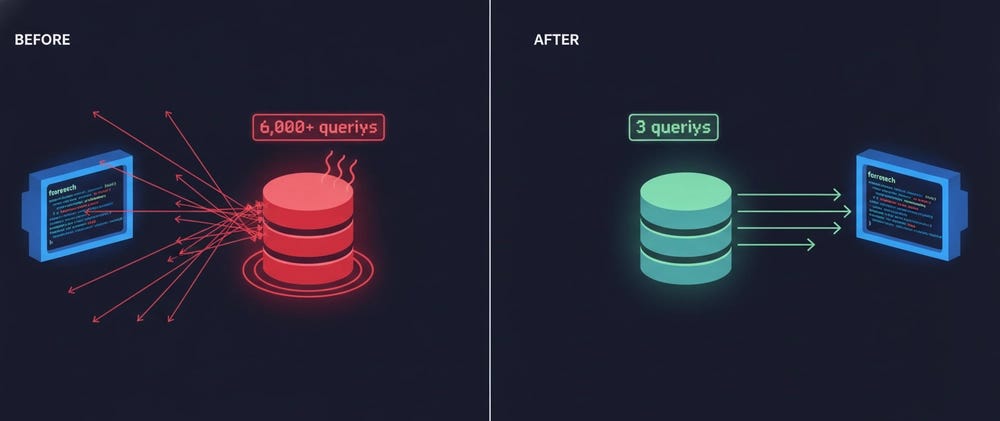
Entity Framework N+1 in a Report Loop: The Pre-Fetch Fix Was Going to Crash Large Tenants
Medium Issue #519
he query loop was firing once per row. The obvious fix loaded the entire tenant’s history into memory. Neither was acceptable.
-

How to Resolve SQL Server Error 40 ("Could Not Open a Connection to SQL Server")
C# Corner Issue #519
Resolve SQL Server Error 40 in ASP.NET Core. Troubleshoot connection issues with Entity Framework Core, connection strings, and configuration.
-

Second-Level Caching in EF Core 10: The Complete Guide
codewithmukesh Issue #519
Add second-level caching to EF Core 10 with EFCoreSecondLevelCacheInterceptor, Redis, and HybridCache - with real benchmarks and the invalidation gotchas.
-
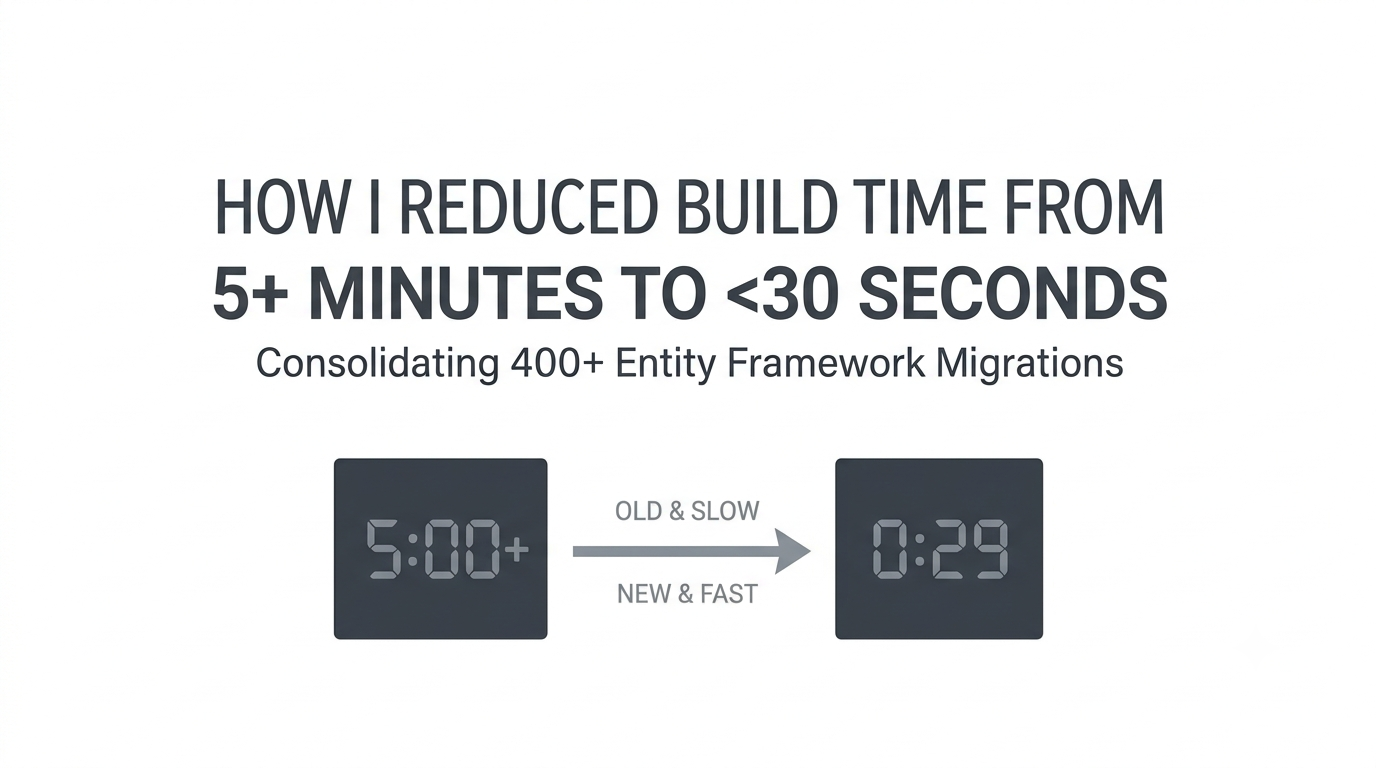
How I Reduced Build Time from Over 5 Minutes to Under 30 Seconds by Consolidating 400+ Entity…
Medium Issue #518
As developers, we often focus on optimizing application performance for our users, but we sometimes overlook something just as important…
-
EF Core 11 Performance Tips Every Developer Should Know
C# Corner Issue #518
Boost EF Core 11 performance with 11 essential tips: AsNoTracking, projection, N+1 avoidance, compiled queries, bulk ops & more.
-
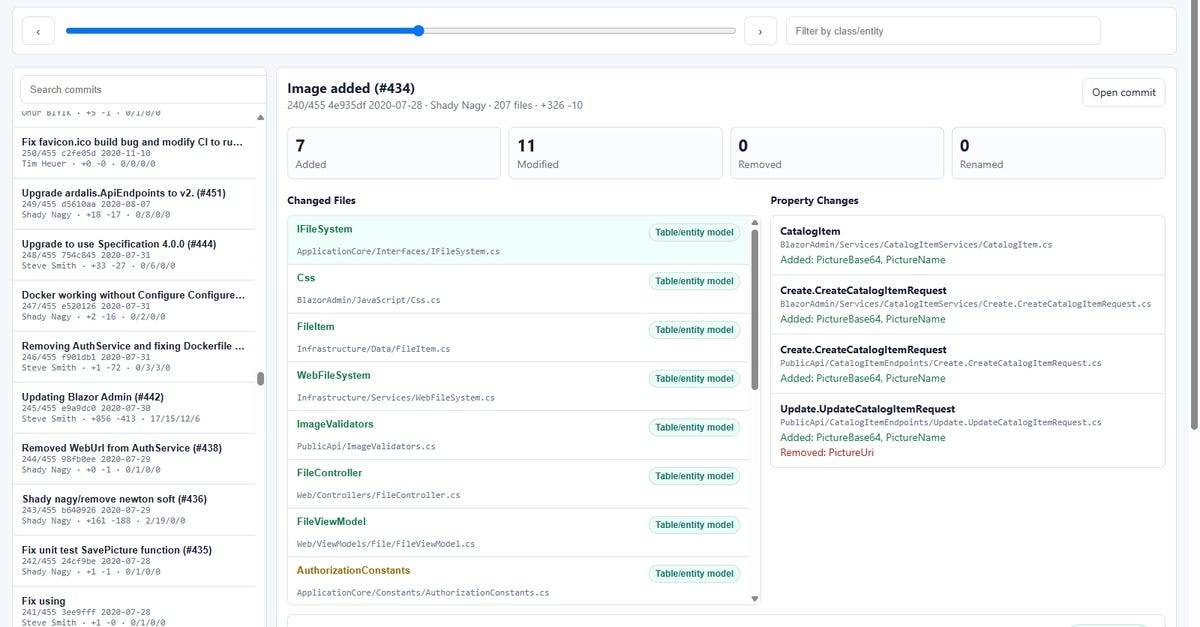
Ef-timelapse: a time-travel viewer for your EF Core schema published
Medium Issue #518
A few weeks ago I was staring at a table in a database, trying to figure out when a column showed up and why a particular foreign key…
-
Persisting a Rich Domain Model With EF Core
Milan's .NET Weekly Issue #518
Every time I show a rich domain model, someone tells me it can't work with EF Core: "EF needs public setters and a public constructor, so the anemic model is…
-

ASP.NET Web API CRUD with EF Core & PostgreSQL (Code First)
C# Corner Issue #517
Build an ASP.NET Core Web API with EF Core and PostgreSQL using Code First. Master CRUD operations for robust data management.
-
Optimizing Entity Framework Core Performance with Compiled Queries and AsNoTracking
C# Corner Issue #515
Boost EF Core read performance! Learn to use AsNoTracking and Compiled Queries to slash overhead, reduce GC pressure, and speed up repetitive database calls.