Agents and .NET design choices
A mixed issue covering AI agents in Visual Studio and VS Code, ASP.NET 10 error handling, Blazor, authorization, and data access tradeoffs.
Jasen's top three picks
- 1 Getting Started with Agents in VS Code
YouTube
Quick start on agents in VS Code; useful if you want to see the workflow before the buzzwords take over.
- 2 .NET AI Community Standup: Squad: AI agent teams for any project
YouTube
SQUAD looks like a serious attempt at multi-agent coordination for .NET devs, not just another demo.
- 3 How VS Code Builds with AI
YouTube
Visual Studio’s built-in agents are getting more capable, especially around debugging and profiling.
Editor's note
I pulled together a pretty varied lineup this time: AI agents show up all over the place, but so do the fundamentals like error handling and data access. The ASP.NET 10 piece on IExceptionHandler and Problem Details is practical, and the EF Core vs Dapper comparison is the kind of decision guide people keep coming back to.
Today's articles

Getting Started with Agents in VS Code
YouTube
Demystifying C# Method Signatures: async, await, Tasks, and Tuples Explained
Topics: GitHub Copilot OpenAI Visual Studio Code
Read article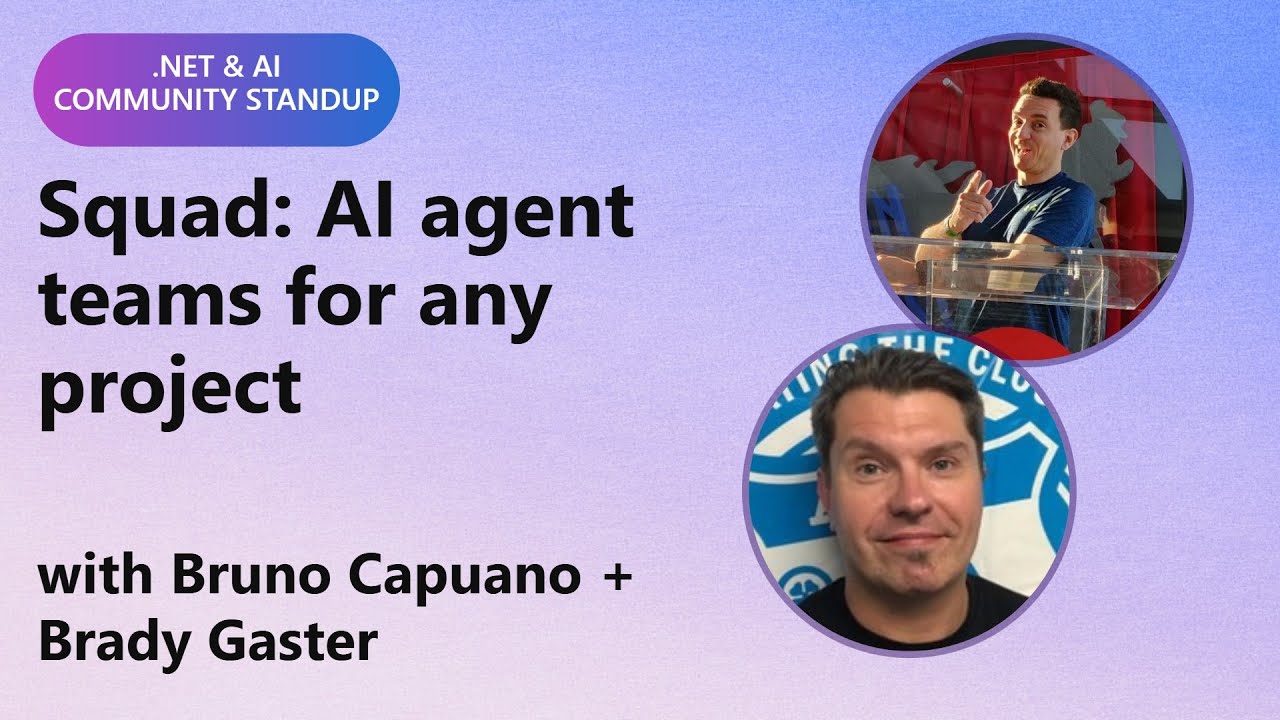
.NET AI Community Standup: Squad: AI agent teams for any project
YouTube
In this session, we’ll explore SQUAD for C# .NET Developers, based on the open-source project at https://github.com/bradygaster/squad. If you're building modern cloud-native apps and want to infuse th...
Topics: GitHub Copilot ML.NET OpenAI
Read article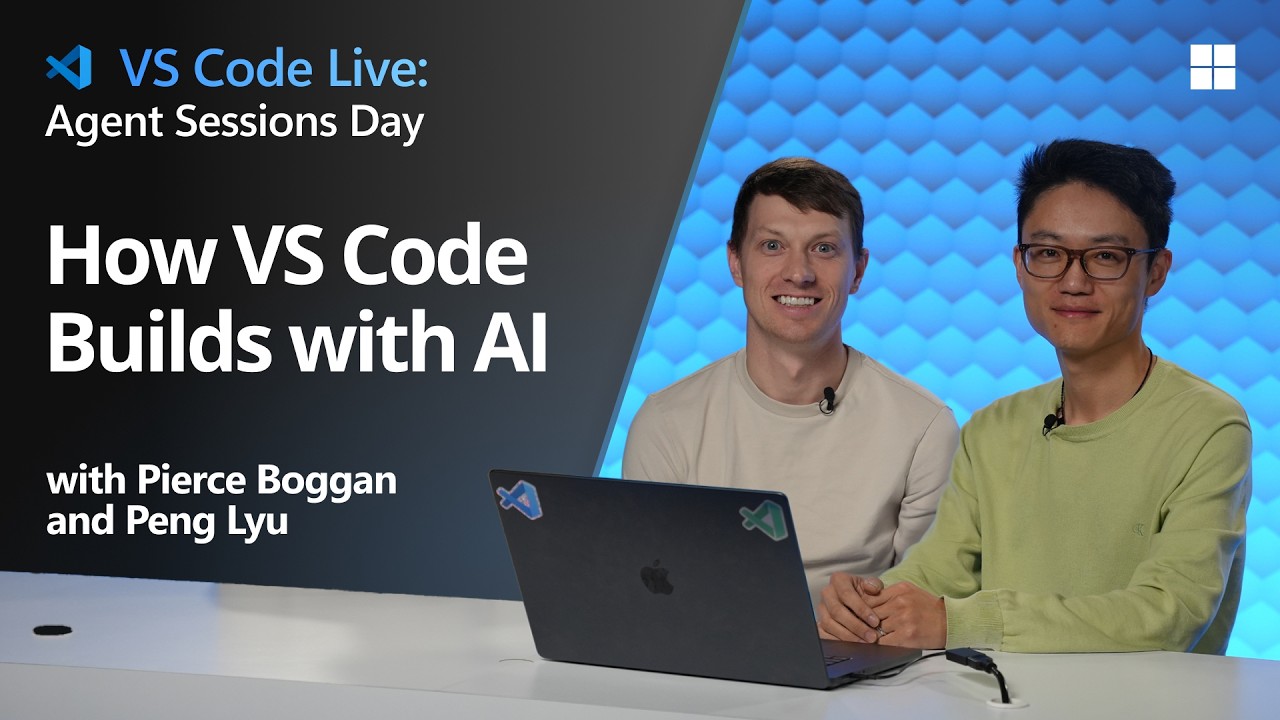
How VS Code Builds with AI
YouTube
Performance Comparison: Blazor Server vs. WebForms Core Technology
Topics: GitHub Copilot OpenAI Visual Studio Code
Read article
Standardizing Global Errors: Using IExceptionHandler and Problem Details Services in ASP.NET 10
Medium
In this article, we’ll explore using the modern approach to error handling in ASP.NET 10 by using the IExceptionHandler interface. We will…
Topics: ASP.NET Core .NET 10 Minimal APIs
Read article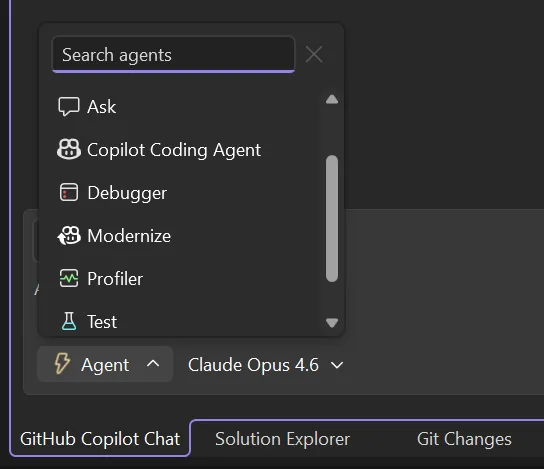
Custom Agents in Visual Studio: Built in and Build-Your-Own agents
Microsoft Dev Blogs
Agents in Visual Studio now go beyond a single general-purpose assistant. We're shipping a set of curated preset agents that tap into deep IDE capabilities; debugging, profiling, testing alongside a f...
Topics: GitHub Copilot OpenAI Visual Studio
Read article
Readonly vs Immutable vs Frozen in C#: differences and (a lot of) benchmarks
Code4IT
The words ReadOnly, Immutable, Frozen seem similar but have distinct meanings in .NET. Here’s a detailed comparison of Readonly, Immutable, and Frozen collections in C#, with benchmarks and typical us...
Topics: Benchmarking C# Performance
Read article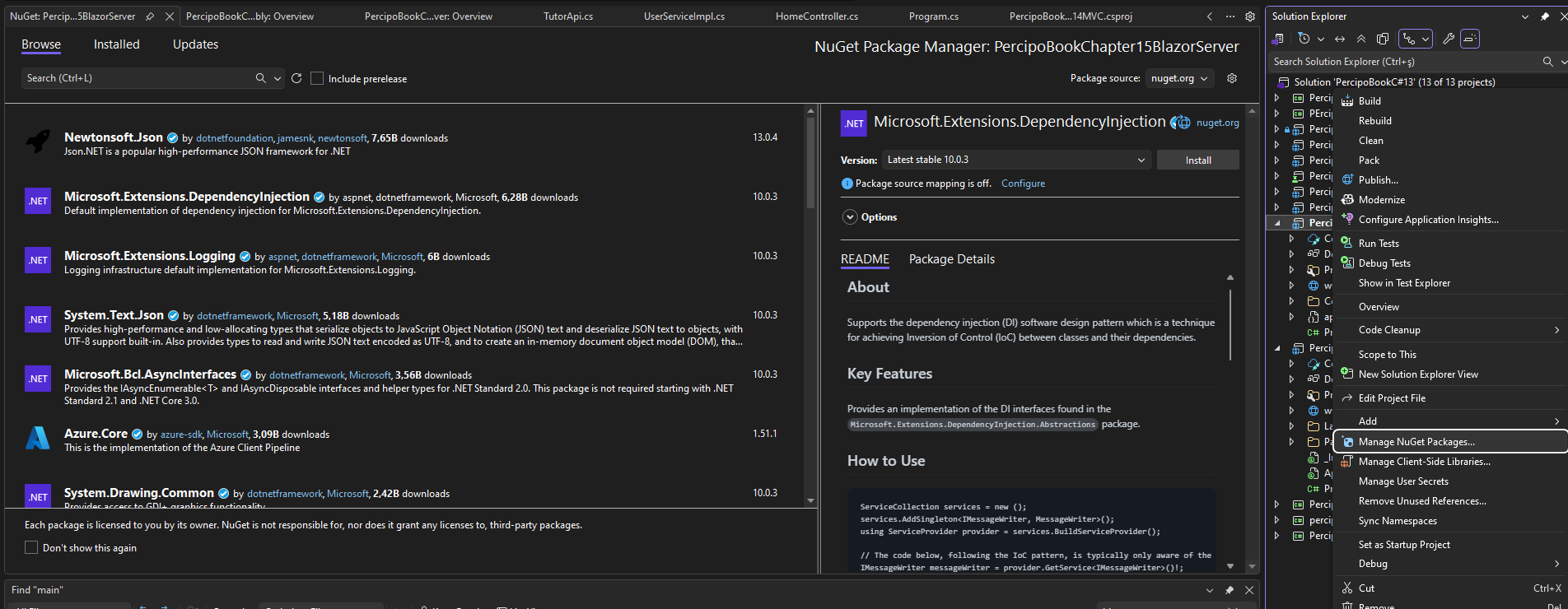
C# 13 & .NET 9 — Part 16: Blazor, Blazor Server vs. Blazor WebAssembly
Medium
This article is based on Chapter 16: Packaging and Deployment
Topics: ASP.NET Core Blazor .NET 9
Read article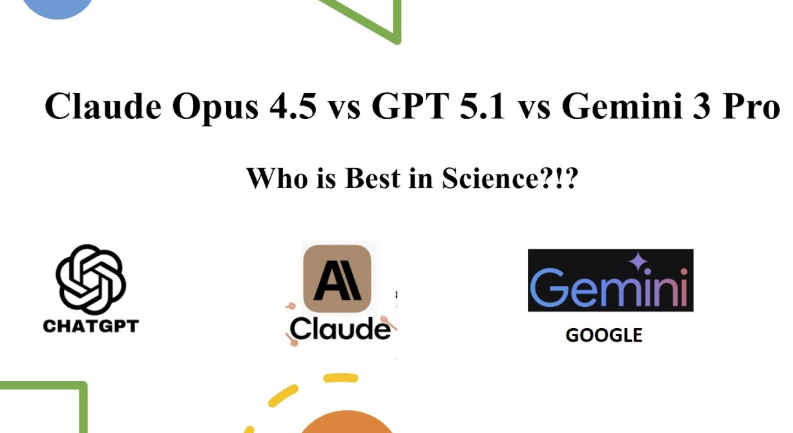
Codex vs Opus vs Gemini 3.1: .NET Developer Thing?
Medium
“Codex is dogshit compared to Opus for complex tasks.”
Topics: GitHub Copilot ML.NET OpenAI
Read article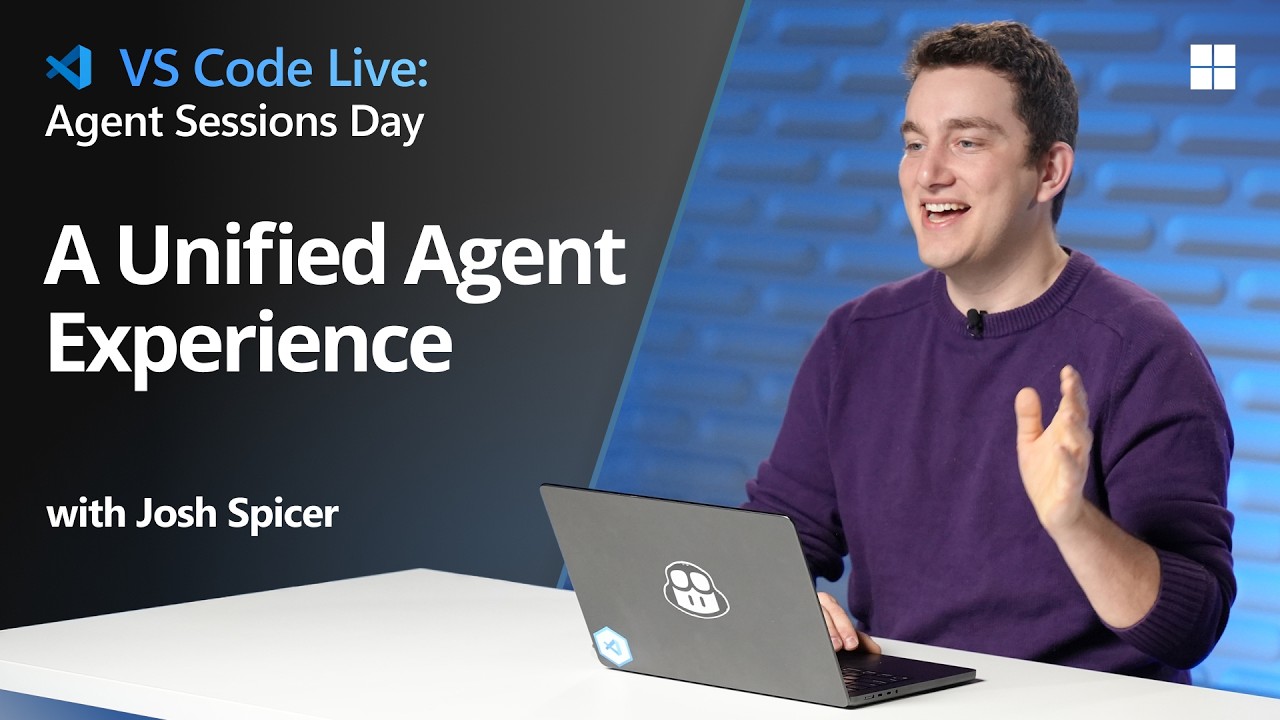
A Unified Agent Experience
YouTube
Multicast Delegates and Events
Topics: C# Design Patterns Event Sourcing
Read article
Most .NET Developers Are Still Coding Like It’s 2016.
Medium
Let’s be honest.
Topics: Dapper EF Core Performance
Read article
Comparing Entity Framework Core vs Dapper: When to Choose What
C# Corner
Explore the differences between Entity Framework Core and Dapper for .NET data access. Learn when to choose each ORM based on performance, productivity, and control.
Topics: Authorization Design Patterns Security
Read article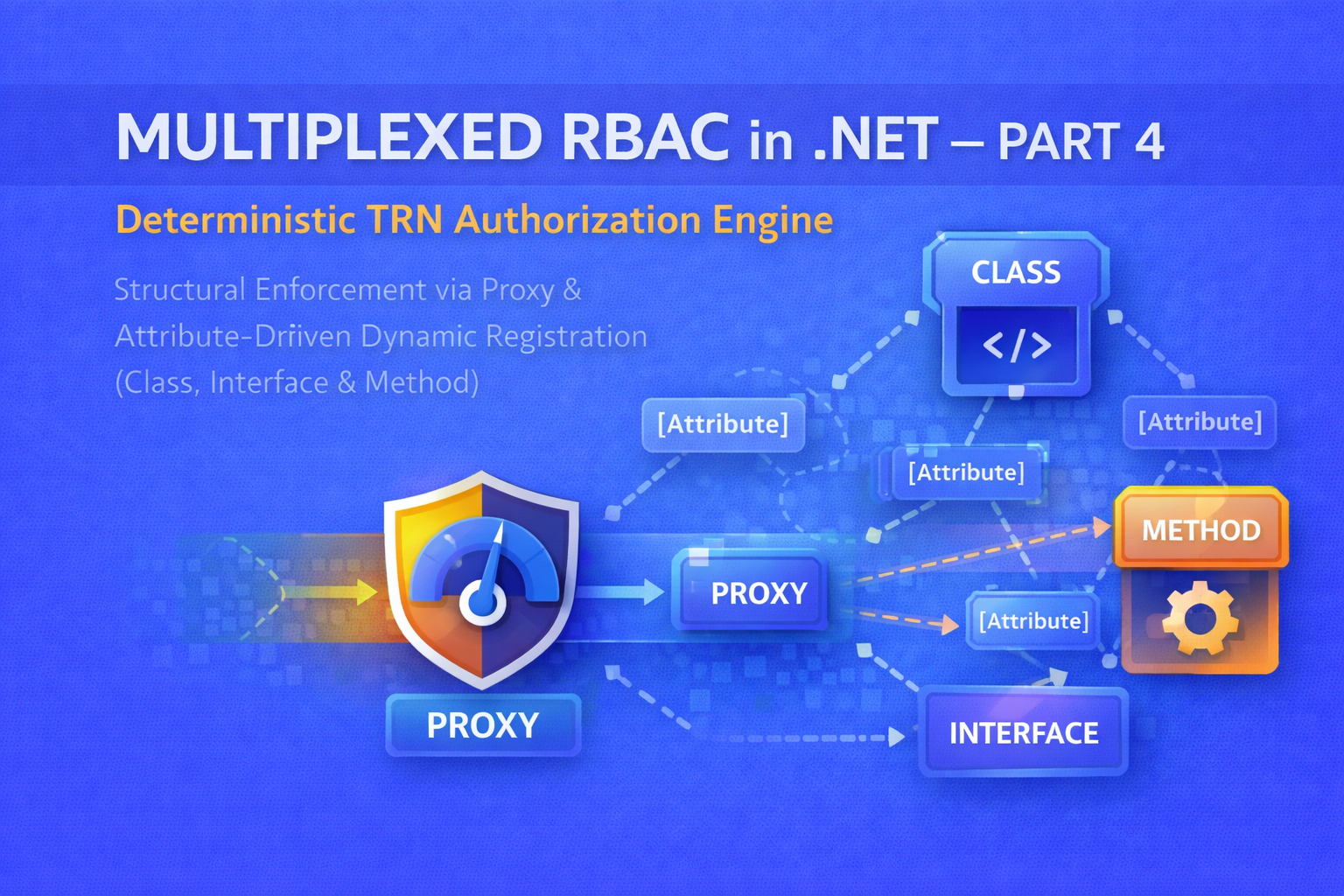
Multiplexed RBAC in .NET — Part 4 — Deterministic TRN Authorization Engine
Medium
Structural Enforcement via Proxy & Attribute-Driven Dynamic Registration (Class, Interface & Method)
Topics: C# Performance Unit Testing
Read article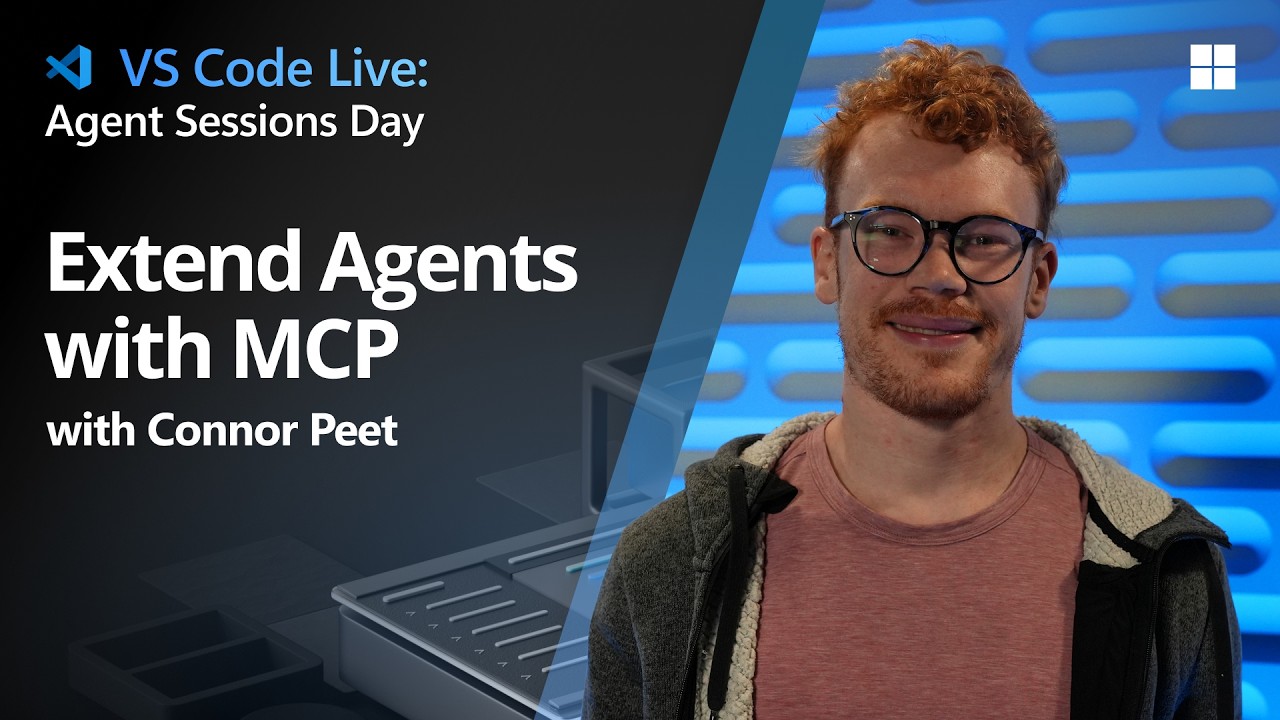
Extend Agents with MCP
YouTube
Value task vs Task in .NET: When and Why to Use Each
Topics: Clean Architecture Domain-Driven Design
Read article
Where Vertical Slices Fit Inside the Modular Monolith Architecture
Milan's .NET Weekly
Modular Monolith tells you how to split the system into modules. But it says nothing about how to organize code inside each module. Vertical Slice Architecture fills that gap, and the combination is i...
Read article