C# 14, testing, and performance wins
Covers C# 14, xUnit parameterized tests, EF Core projections, Azure SQL vector indexing, and security and tooling updates for .NET teams.
Jasen's top three picks
- 1 Inline Arrays in C# 13: The Secret Performance Feature You’re Probably Ignoring
Medium
A small language feature with an outsized payoff: inline arrays can remove allocations in hot paths without rewriting your whole design.
- 2 The Best Way to Write Parameterized Tests in .NET Using xUnit (Clean, Fast, and Not Annoying)
Medium
A clean xUnit parameterized-testing approach is worth reading if you want less ceremony and more readable test cases.
- 3 Introducing C# 14
Microsoft Dev Blogs
C# 14 is the headline runtime/language update here, with the .NET 10 connection making it especially relevant for planning upgrades.
Editor's note
I curated a pretty wide mix today, from language and runtime updates to tooling, data, and security. The C# 14 announcement and the inline arrays piece both stand out for developers who care about what ships next and what helps right now. I also liked the Azure SQL vector indexing preview because it hints at practical search and AI workloads without leaving the .NET stack.
Today's articles

Inline Arrays in C# 13: The Secret Performance Feature You’re Probably Ignoring
Medium
A tiny feature with massive impact — allocation-free buffers for real-world .NET performance.
Read article
The Best Way to Write Parameterized Tests in .NET Using xUnit (Clean, Fast, and Not Annoying)
Medium
If you want the full source code, join our community: Here
Read article
Introducing C# 14
Microsoft Dev Blogs
Learn what features are in C# 14, which ships as part of .NET 10. The post Introducing C# 14 appeared first on .NET Blog.
Read article
489: .NET 10 and Visual Studio 2026
Merge Conflict
Follow Us Frank: Twitter, Blog, GitHub James: Twitter, Blog, GitHub Merge Conflict: Twitter, Facebook, Website, Chat on Discord Music : Amethyst Seer - Citrine by Adventureface ⭐⭐ Review Us (https://i...
Read article
Why Your C# Name Parser Is Wrong — And the 2025 Fix Every Developer Overlooks
blog.stackademic.com
A deep dive into cultural naming structures, edge cases, particles, and the robust parsing techniques every senior engineer should know… Continue reading on Stackademic »
Read article
Building Read Models with EF Core Projections
elmah.io Blog - .NET Technical tutorials/guides and new features
You can't really argue against the importance of performance in any application. Even if the system is not time-critical, efficient and time-saving operations are cornerstones of the system. Data fetc...
Read article
CurlDotNet: Bringing curl to .NET 10 and C#
Medium
If you’ve ever copied a curl command from API docs only to rewrite it line-by-line in C#, CurlDotNet feels like someone just handed you…
Read article
Post-Quantum Cryptography in .NET
Microsoft Dev Blogs
What we've added for PQC, and how we got there. The post Post-Quantum Cryptography in .NET appeared first on .NET Blog.
Read article
⚡ .NET Background Services: Slower, Hotter, Costlier
Medium
Every engineering team has that one Worker Service humming quietly in the background — processing queues, sending emails, syncing catalogs…
Read article
⭐ Stop Guessing! Here’s Exactly What Action Methods Do in ASP.NET Core
Medium
Action methods are one of the first things you must understand while building a Web API in ASP.NET Core. But beginners often get confused…
Read article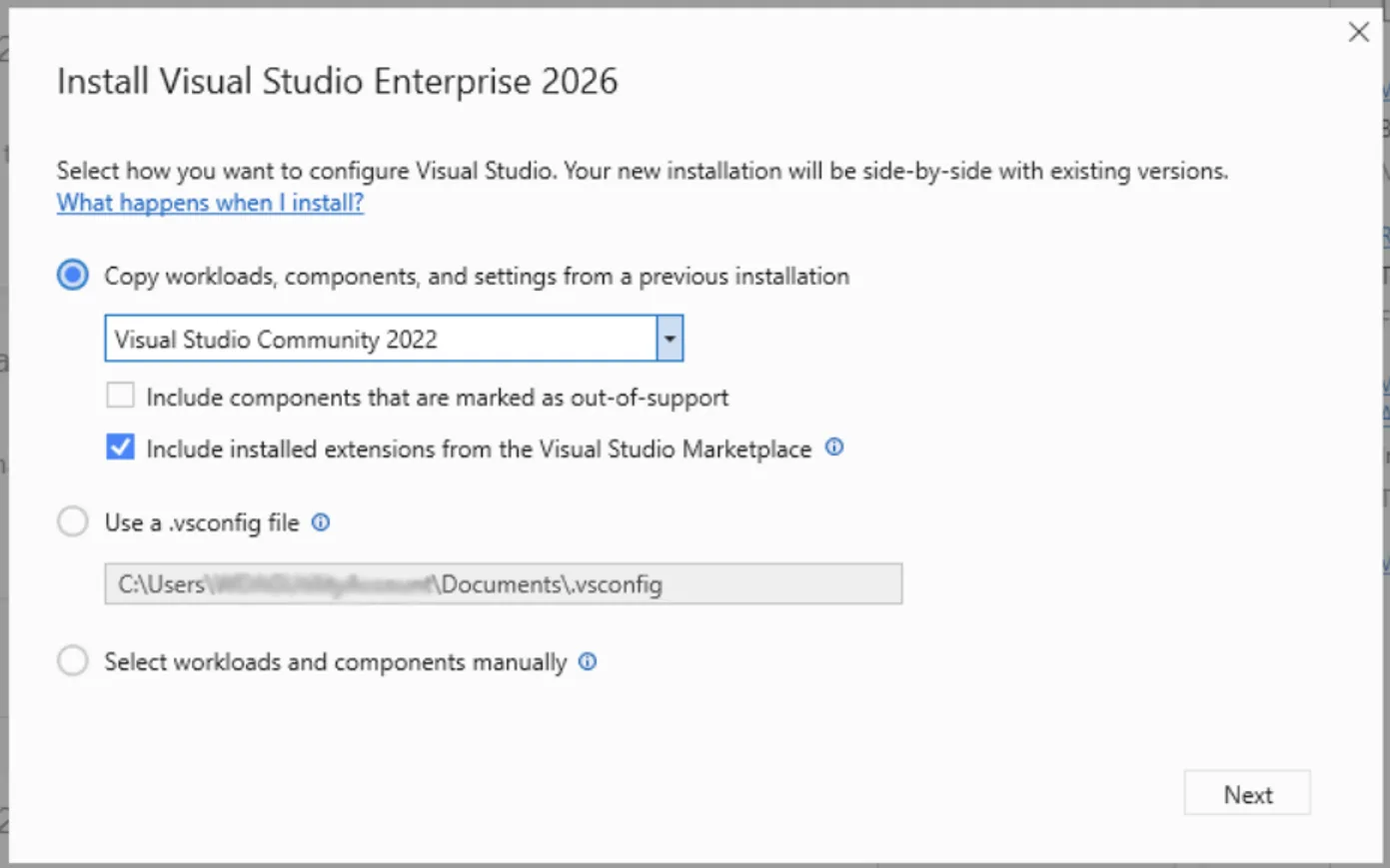
Spend Less Time Upgrading, More Time Coding in Visual Studio 2026
Microsoft Dev Blogs
In the past, moving to the next major version of Visual Studio could take hours, sometimes days, to recreate your dev environment the way you like it. Visual Studio 2026 makes it easier than ever to s...
Read article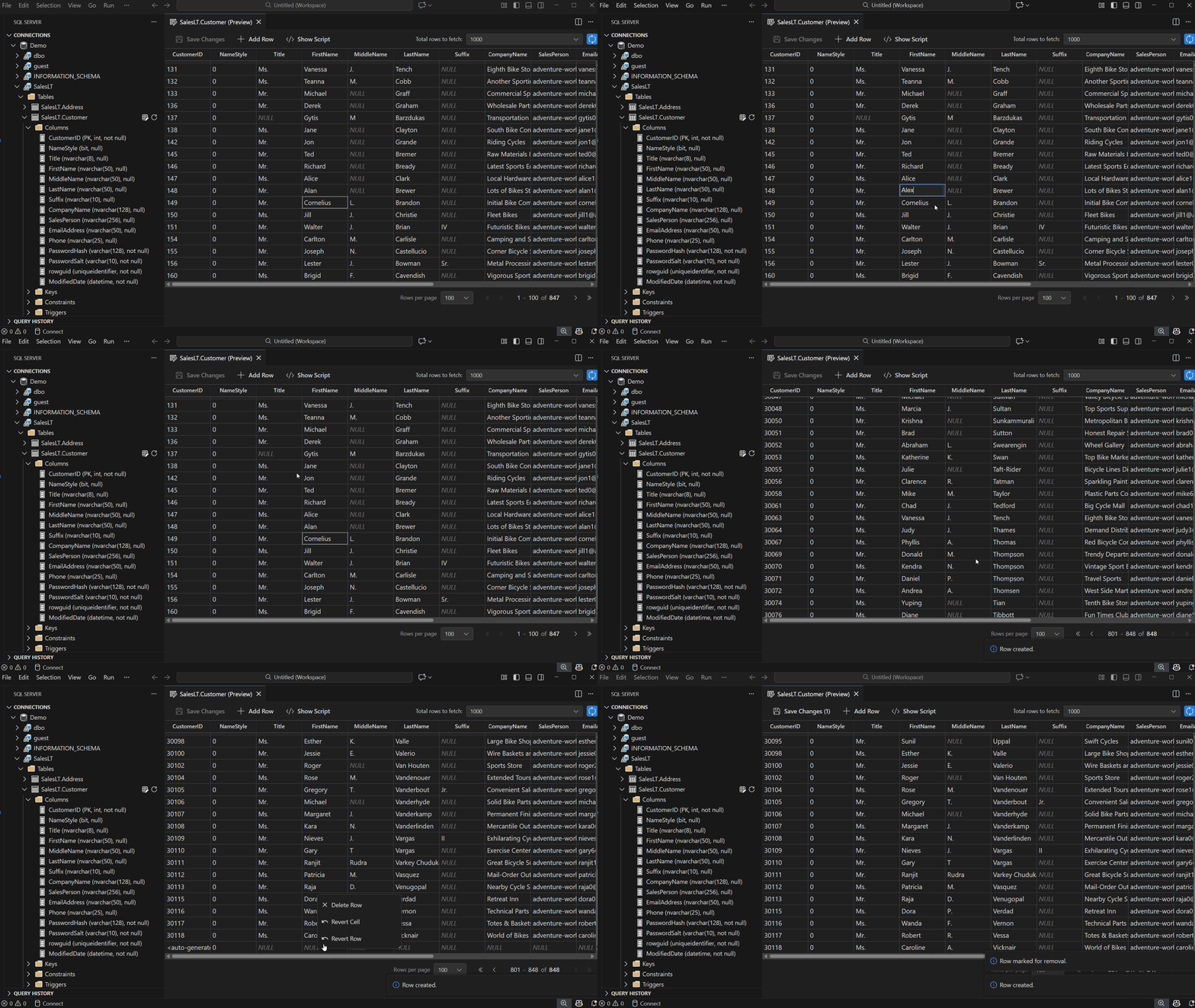
MSSQL Extension for VS Code: Introducing Edit Data (Public Preview)
Microsoft Dev Blogs
Overview Working with table data is an essential part of database development — whether you’re validating behavior, debugging issues, or quickly seeding data. But switching between tools or writing re...
Read article
Understanding .NET Core: A Simple and Complete Guide for Beginners
C# Corner
A complete beginner-friendly guide to .NET Core covering its features, project structure, middleware pipeline, request flow, and key concepts of ASP.NET Core. This article explains everything in simpl...
Read article
Building More Secure C# .NET Applications with HashiCorp Vault
Medium
Have you ever found yourself hardcoding database passwords or API keys directly in your `appsettings.json` file? If you’re nodding your… Continue reading on The Syntax Hub »
Read article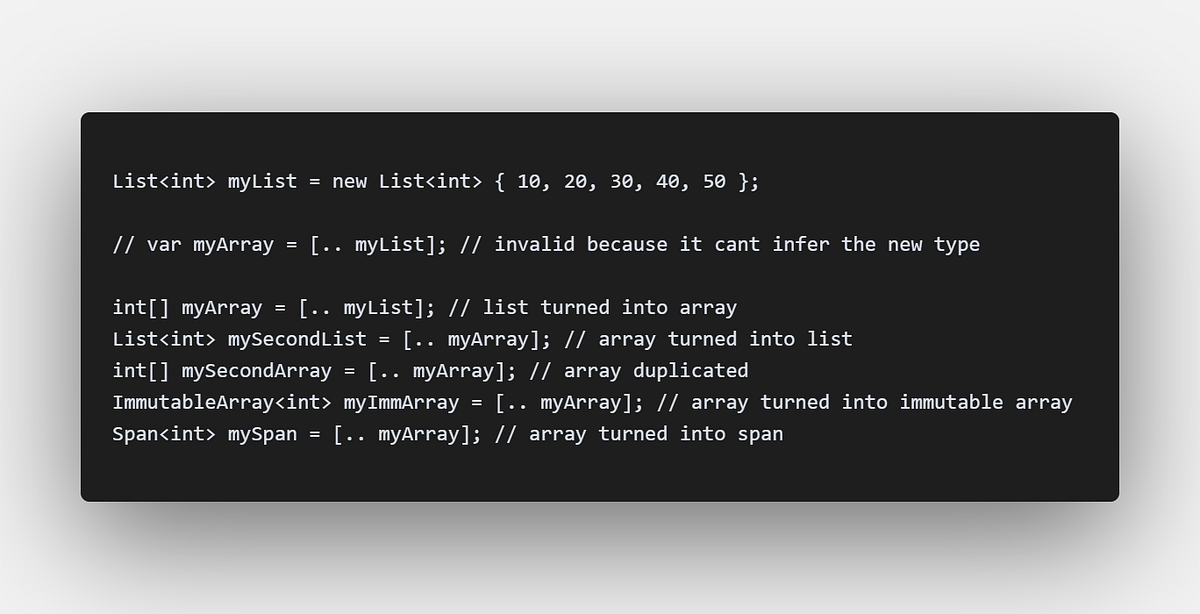
All you need to know about the C# spread operator
levelup.gitconnected.com
A clear guide to using the new C# spread operator Continue reading on Level Up Coding »
Read article
Optimize GUID creation performance in .NET applications
Meziantou's blog
Many .NET projects use well-known GUIDs as identifiers for activities, interop scenarios, database keys, and other purposes. It's common to see code like new Guid("01234567-8901-2345-6789-0123456...
Read articleThe .NET Type You’ve Never Used That Can Save 40% Allocations: MemoryOwner
blog.devgenius.io
(By Mohammad Shoeb · Microsoft Solution Architect) Continue reading on Dev Genius »
Read article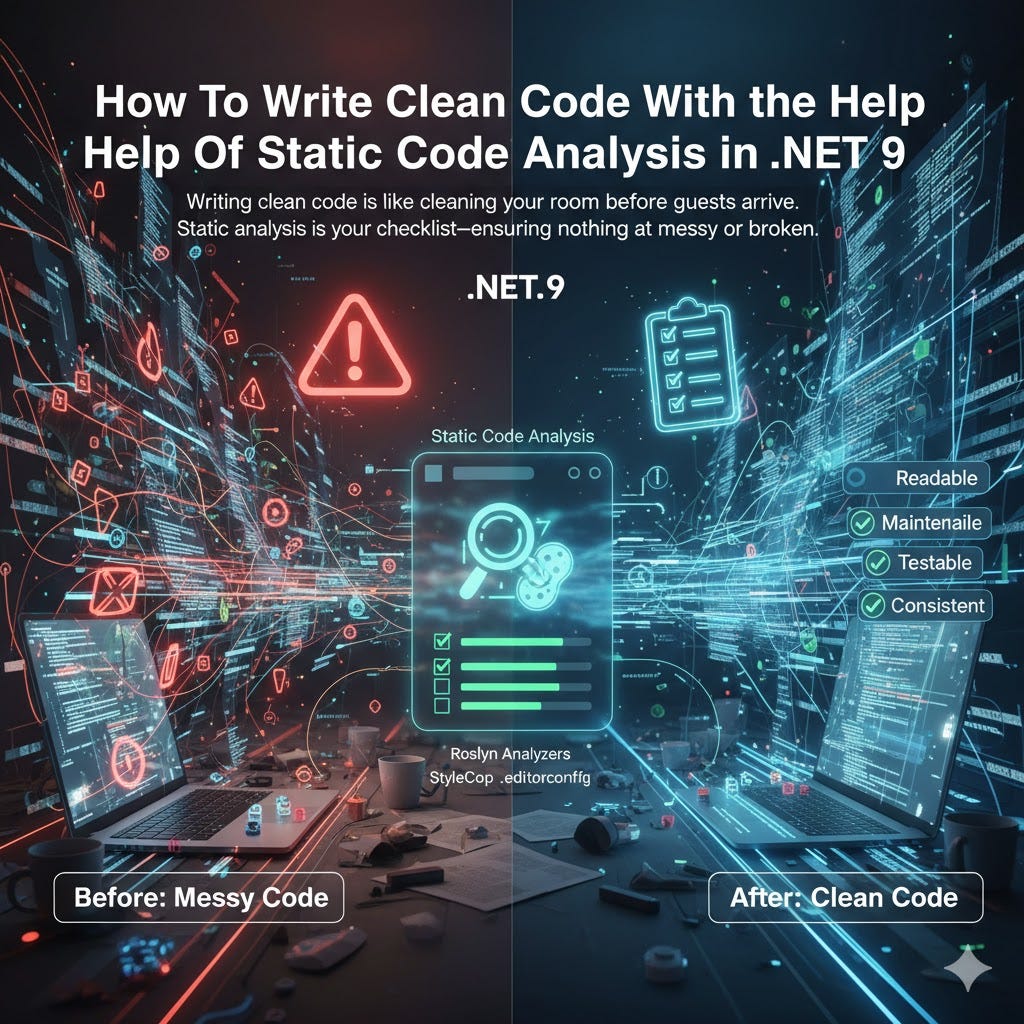
How To Write Clean Code With The Help Of Static Code Analysis in .NET 9
Medium
“Writing clean code is like cleaning your room before guests arrive. Static analysis is your checklist — ensuring nothing is messy or… Continue reading on CodeToDeploy »
Read article
Blazor .NET 10 Breakthroughs: Web Dev Made Surprisingly Easy
Medium
Faster, cleaner, and unbelievably flexible.
Read article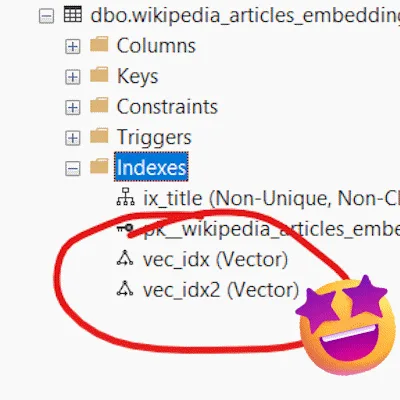
Public preview of vector indexing in Azure SQL DB, Azure SQL MI, and SQL database in Microsoft Fabric
Microsoft Dev Blogs
We are happy to share that DiskANN vector indexing is now in public preview across Azure SQL Database, Azure SQL Managed Instance, and SQL database in Microsoft Fabric. DiskANN is a cutting-edge algor...
Read article