Queues, JSON, and ASP.NET Core
This edition examines backpressure, .NET 11 JSON contracts, keyed DI, threading, large-file streaming, event counting, and money rules.
Jasen's top three picks
- 1 A queue is a shock absorber, not a pump
C# Digest
A useful framing: queues buy time during bursts, but downstream throughput still determines whether the system recovers.
- 2 System.Text.Json in .NET 11: What Actually Changed for Backend APIs?
Medium
Worth reviewing for backend teams adopting newer JSON features without losing sight of generated contract behavior.
- 3 Need a Dictionary of Keyed Services in ASP.NET Core 8? Here’s What You Should Know
Medium
Keyed DI can simplify multiple implementation selection, but it still deserves clear composition-root conventions.
Editor's note
I pulled together a deliberately broad mix today, from runtime mechanics to API design and business correctness. The queue article is a useful correction to a common scaling misconception, while the large-file upload piece covers the practical streaming choices that prevent avoidable memory pressure. I also liked the attention given to JSON contracts and idempotent play counting, where small implementation decisions can become production problems.
Today's articles

A queue is a shock absorber, not a pump
C# Digest
queues absorb traffic spikes by storing excess work temporarily but they can't speed up the work
Topics: Performance RabbitMQ
Read article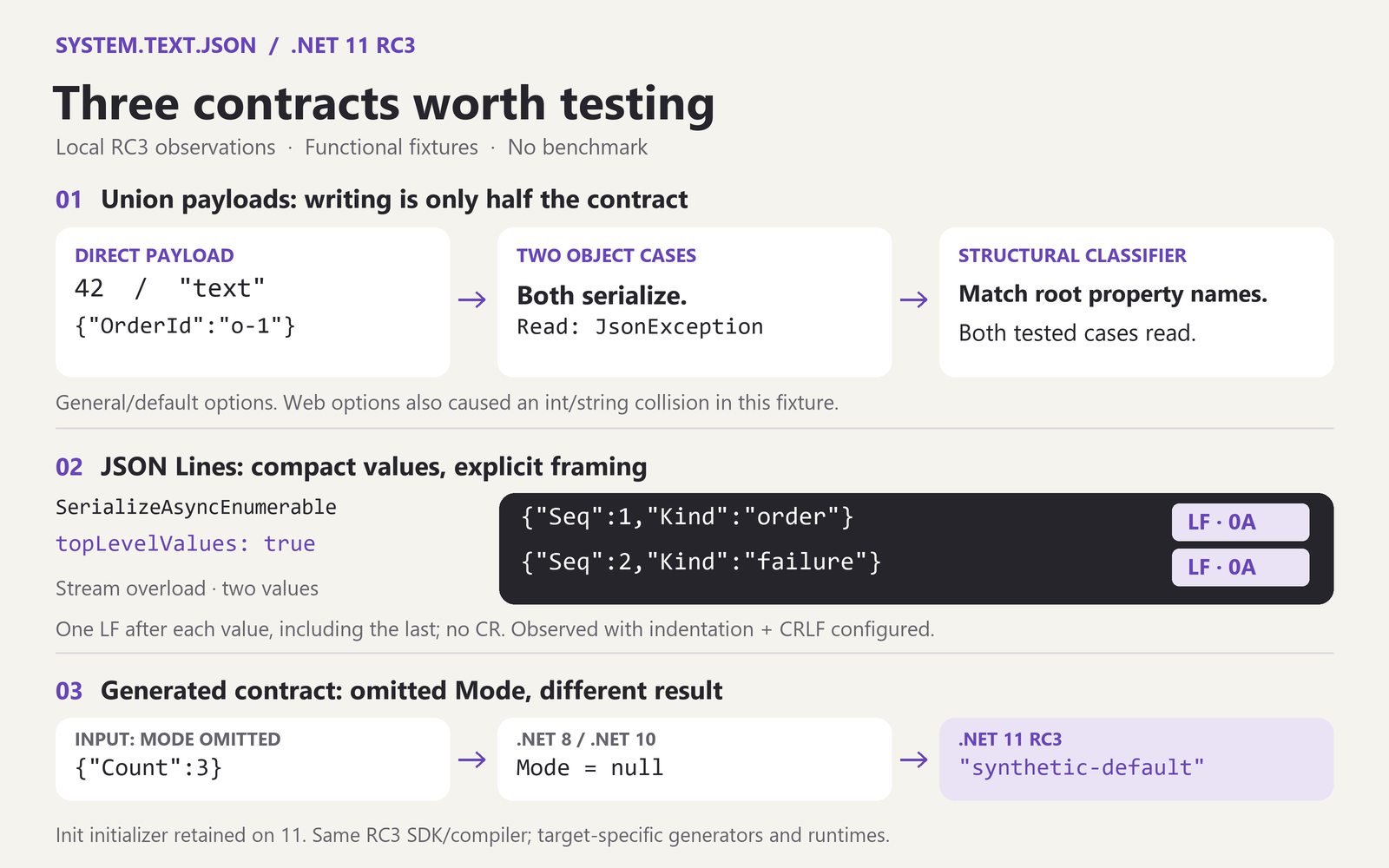
System.Text.Json in .NET 11: What Actually Changed for Backend APIs?
Medium
Union payloads, JSON Lines, inferred polymorphism, and generated contracts tested on .NET 11 RC3.
Topics: System.Text.Json Web API
Read article
Need a Dictionary of Keyed Services in ASP.NET Core 8? Here’s What You Should Know
Medium
ASP.NET Core 8 introduced keyed dependency injection, making it easier to register and resolve multiple implementations of the same…
Topics: ASP.NET Core Design Patterns
Read article
Foreground Thread vs Background Thread in C# — Understanding Thread Execution and Application…
Medium
In C# and .NET, Foreground Threads and Background Threads are two types of threads that determine whether an application should continue…
Topics: C# Performance
Read article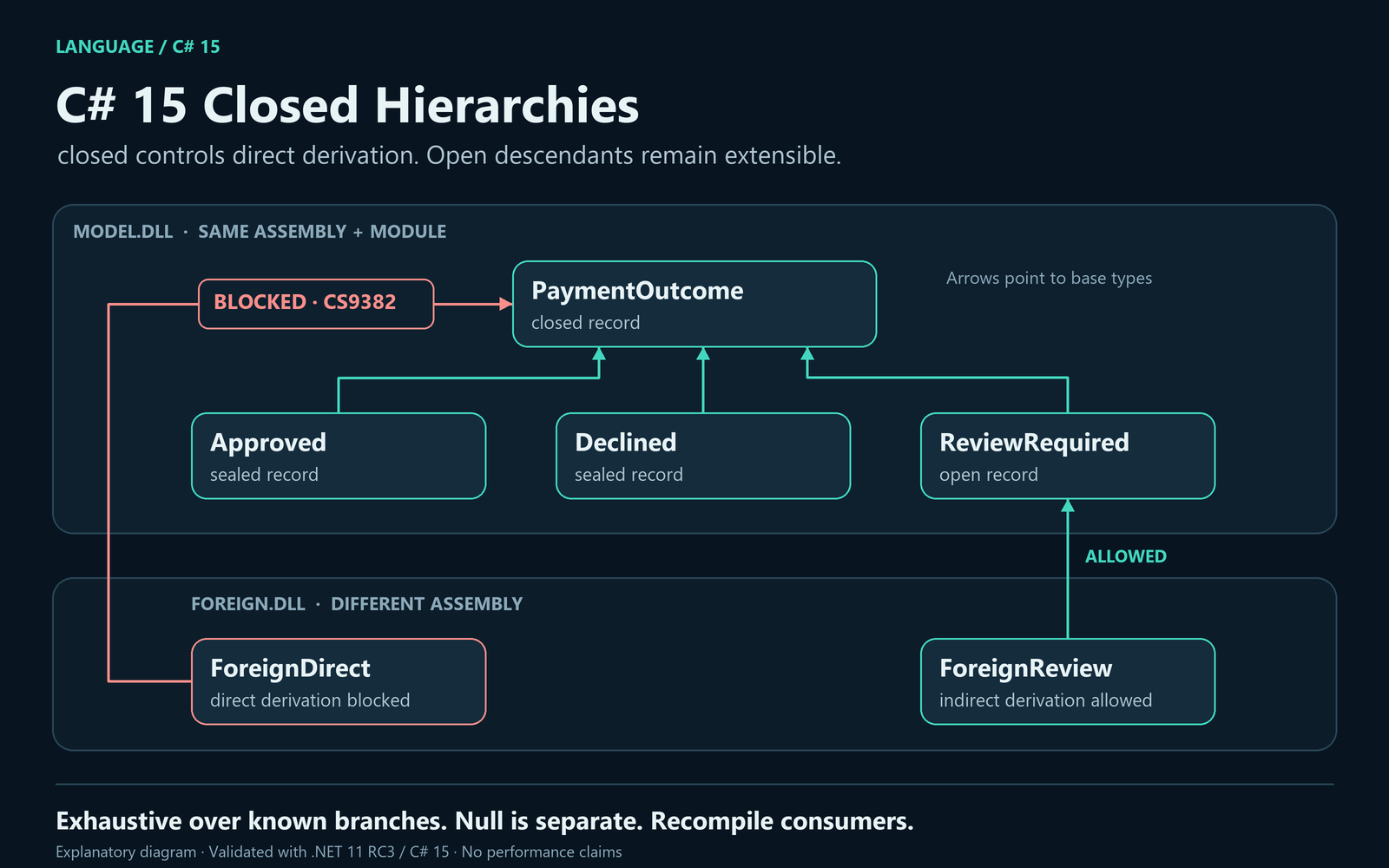
C# 15 Closed Hierarchies: What Can the Compiler Prove Now?
Medium
A bounded set of branches helps the compiler find an incomplete decision. It does not settle null handling or your extension policy.
Topics: C#
Read article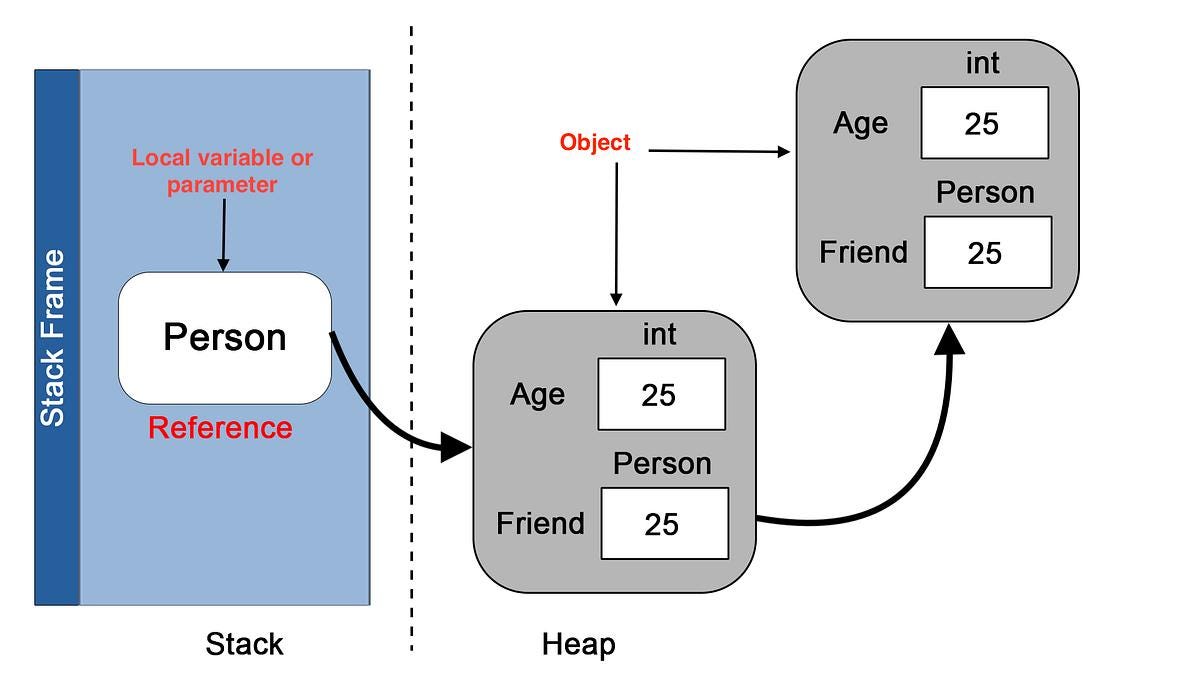
Task vs ValueTask vs Thread: How They Work with Stack and Heap in C#
Medium
To understand Thread, Task, and ValueTask deeply, we first need to understand how .NET manages memory using Stack and Heap.
Topics: C# Performance
Read article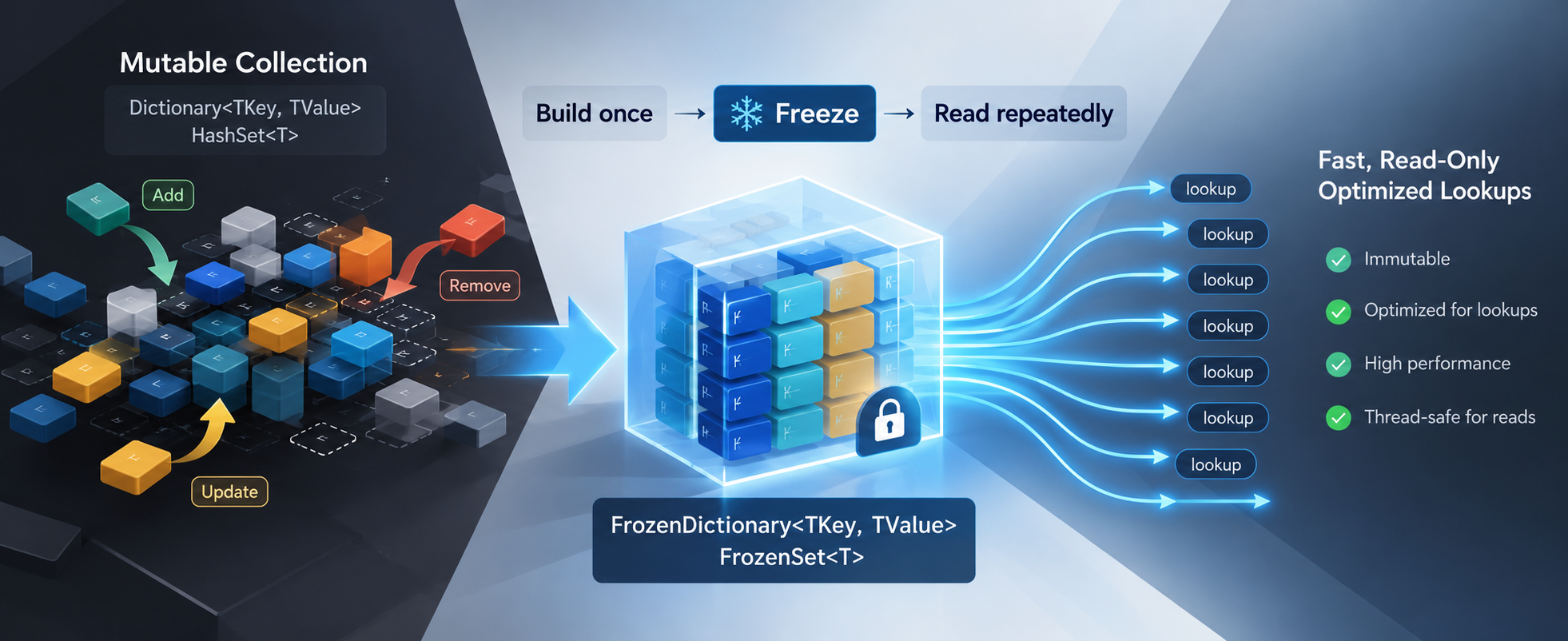
FrozenDictionary and FrozenSet: When Read-Heavy Lookups Deserve a Different Collection
Medium
They aren’t replacements for Dictionary and HashSet. They’re optimized for a different lifecycle: build once, read repeatedly.Continue reading on C# Snaps: Sharp Bites for Better Code »
Topics: C# Performance
Read article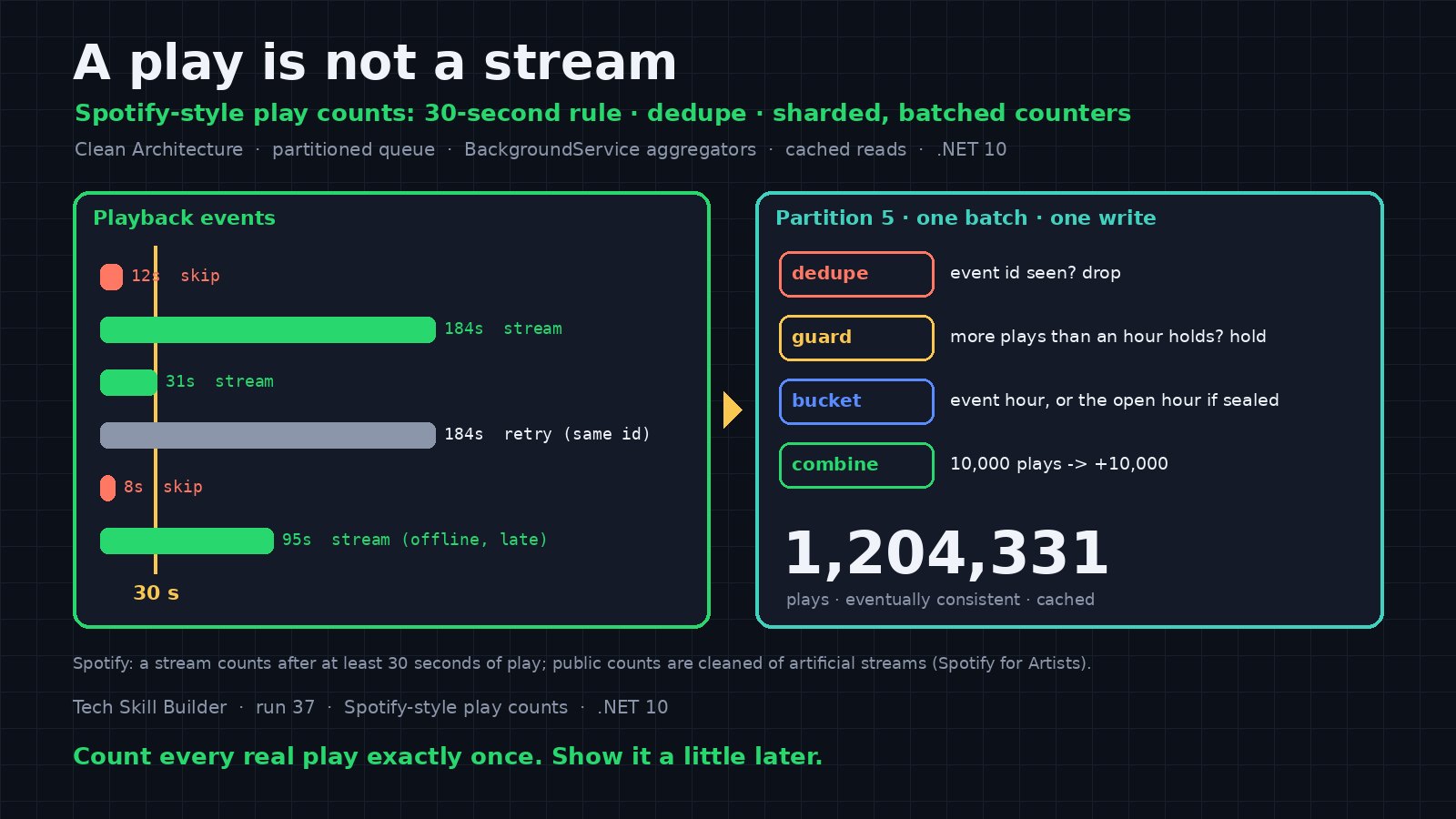
A Play Is Not a Stream: Building Spotify-Style Play Counts with the 30-Second Rule, Idempotent…
Medium
Incrementing a number is trivial. Deciding which plays deserve it, exactly once, while events arrive late, twice and from bots, is the…
Topics: Event Sourcing
Read article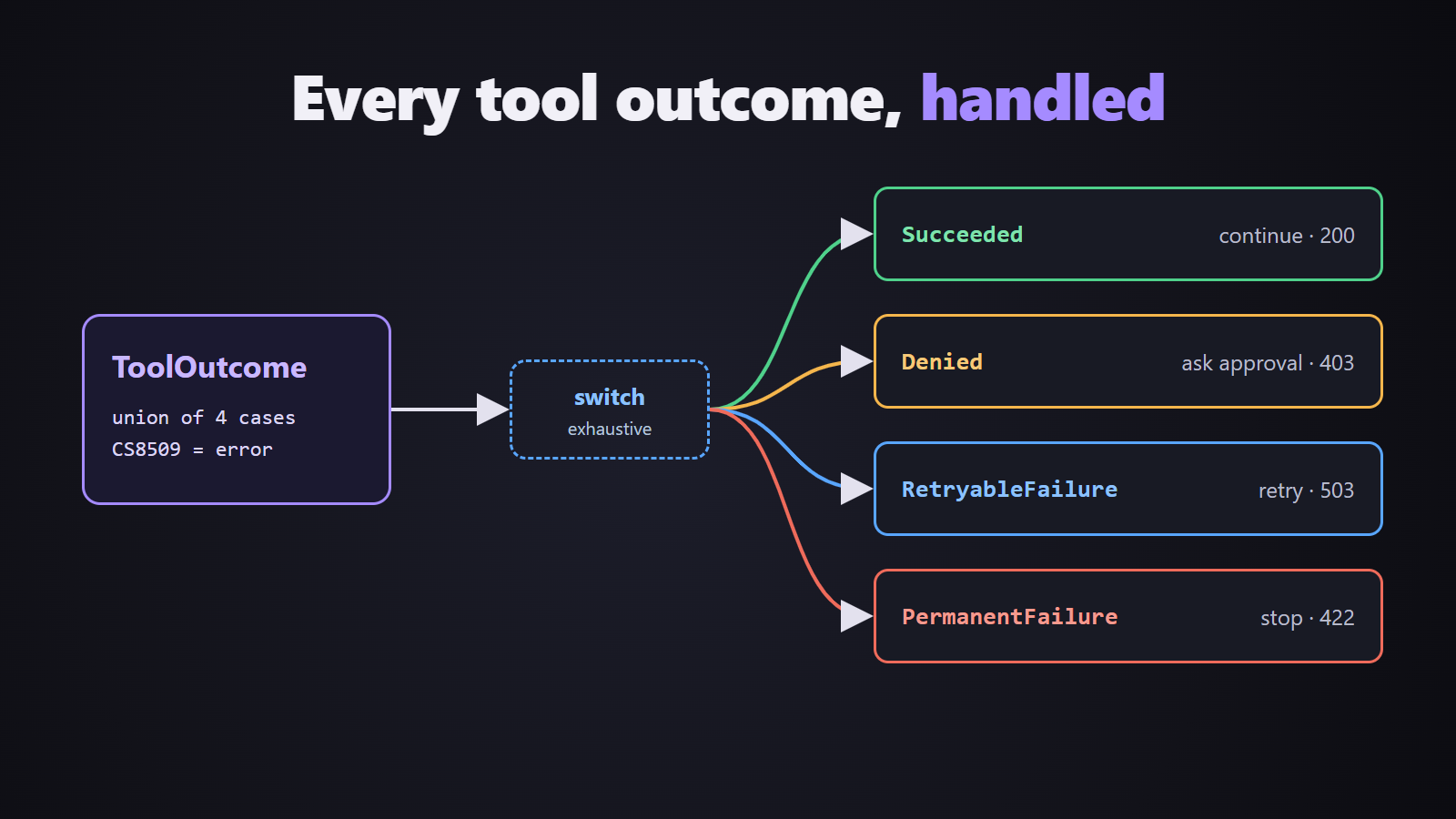
.NET 11 Makes Agent Tool Outcomes Compiler-Checked
Medium
C# 15 unions turn a tool result into a closed set of outcomes. Three small settings decide whether that contract really holds.
Read article
Five Questions I Ask of Every .NET Release
Bipin Joshi .NET | Thus said a Byte • Insights on .NET and Web Development
Every new .NET release brings a familiar wave of announcements, features, and improvements. But do we all read these announcements in the same way? Over the years, I have noticed that the questions I ...
Topics: .NET Core
Read article
Uploading Large Files in ASP.NET Core Without Running Out of Memory
C# Corner
Learn how to upload large files in ASP.NET Core using streaming, avoid MemoryStream pressure, configure request limits, and handle multipart uploads efficiently.
Topics: ASP.NET Core Performance
Read article
Don’t Store Money in a Float: Cents, decimal and Rounding Rules
Medium
Why 0.1 + 0.2 is not 0.3, and how that becomes an invoice bug. How I stored money as cents, decimal and Decimal across four projects.
Topics: C#
Read article