API versioning, EF Core, and AI agents
Covers xUnit testing, Azure Functions in Docker, HttpClientFactory, EF Core loading and translation, plus ASP.NET Core support guidance.
Part of: ASP.NET Core: a working guide for .NET developers, C#: a working guide for .NET developers, EF Core: a working guide for .NET developers, Performance: a working guide for .NET developers
Jasen's top three picks
- 1 ASP.NET Community Standup: Combining API Versioning with OpenAPI
YouTube
The standup should help API teams line up versioned endpoints with clearer OpenAPI docs, and the Span versus Memory angle is a useful low-level refresher.
- 2 How to Implement Unit Testing in .NET using xUnit with Example
C# Corner
A practical xUnit primer that fits newer .NET developers and teams trying to build better testing habits before bugs escape into production.
- 3 PostgreSQL Like a Pro: Build mission-critical apps at any scale with Azure HorizonDB
YouTube
This one leans cloud and data platform, with useful context for scaling PostgreSQL on Azure and thinking through hosting choices for AI agents.
Editor's note
I pulled together another deliberately mixed issue today, from API versioning with OpenAPI to EF Core query behavior and a couple of practical AI agent pieces. The standup on versioning is worth your time if your APIs have grown beyond a single contract, and the EF Core translation article does a good job explaining why some LINQ never reaches SQL. There’s also solid nuts-and-bolts material here on xUnit, HttpClientFactory, and Azure Functions in containers.
Today's articles
ASP.NET Community Standup: Combining API Versioning with OpenAPI
YouTube
Difference Between Span and Memory in C# with Examples?
Topics: ASP.NET Core C# Web API
Read article
How to Implement Unit Testing in .NET using xUnit with Example
C# Corner
Master .NET unit testing with xUnit! Learn to write effective tests, catch bugs early, and improve code quality. Includes practical examples and best practices.
Topics: C# Unit Testing xUnit.net
Read article
PostgreSQL Like a Pro: Build mission-critical apps at any scale with Azure HorizonDB
YouTube
Choosing the Right Azure Hosting Model for AI Agents: A Deep Dive into Foundry Hosted Agents
Topics: Azure OpenAI PostgreSQL
Read article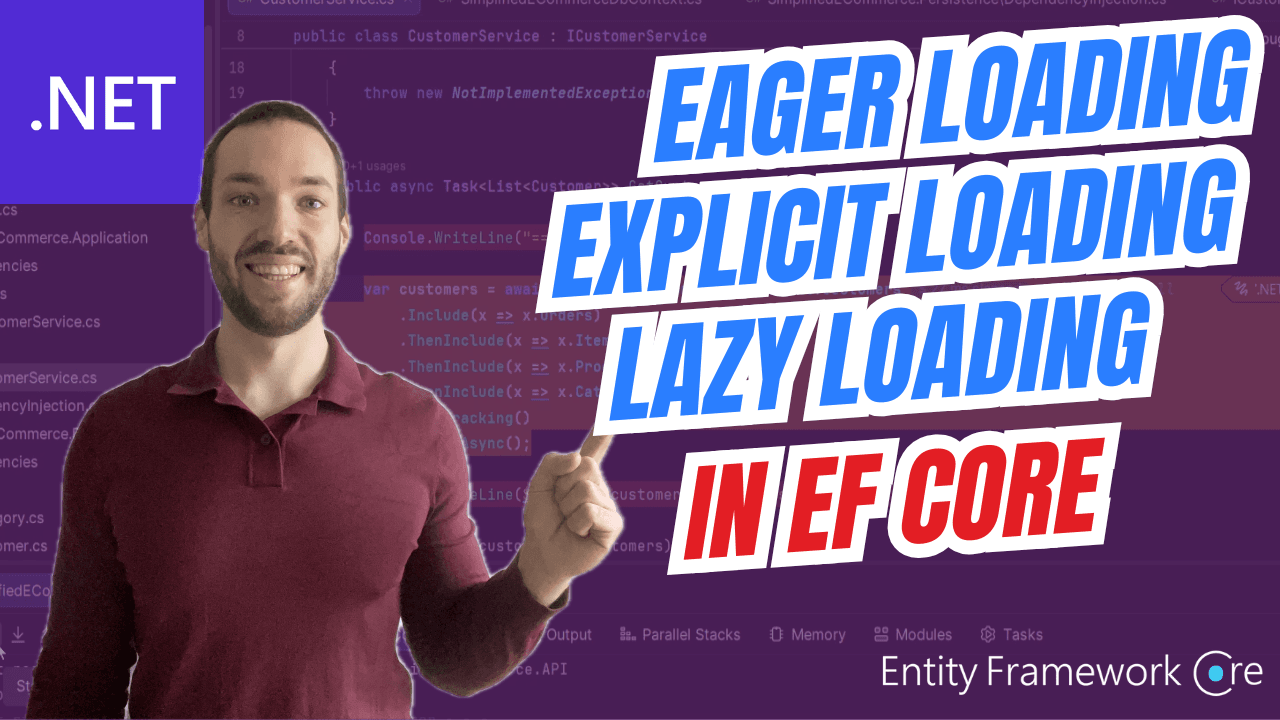
EF Core - Lazy Loading, Eager Loading, and Explicit Loading
Medium
Connect with me 👇
Topics: EF Core
Read article
Dependency Injection in .NET: Building Maintainable, Testable, and Scalable Applications.
Medium
Modern .NET development emphasizes clean architecture, maintainability, and flexibility. One of the most important concepts that enables…
Topics: Clean Architecture C#
Read article
Running Azure Functions in Docker: Why and How
Medium
Azure Functions Beyond the Basics Continues from Azure Functions for .NET Developers (Parts 1–9)
Topics: Azure Azure Functions Docker
Read article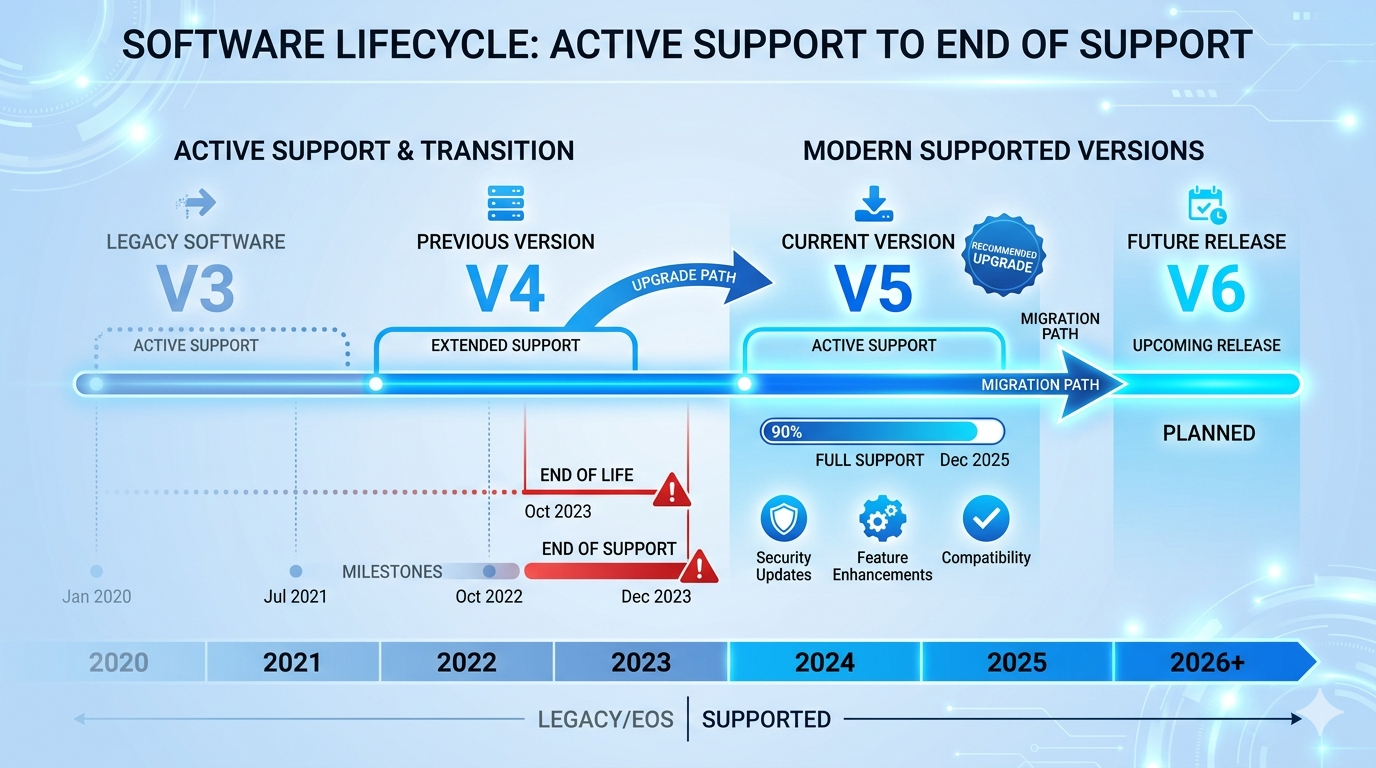
ASP.NET Core 2.3 End of Support: What It Really Means for Developers
blog.gopenai.com
A few days ago, I came across an announcement that made me pause for a moment. Continue reading on GoPenAI »
Topics: ASP.NET Core
Read article
Stop Calling .ToList()
Medium
There’s a line of code I keep finding in .NET repositories that looks harmless and costs teams real money.
Topics: C# Performance
Read articleHow to Use HttpClientFactory in .NET Core to Avoid Socket Exhaustion
C# Corner
Learn how to use IHttpClientFactory in .NET Core to prevent socket exhaustion and improve performance. Discover named & typed clients, resilience with Polly, and best practices.
Topics: .NET Core Performance
Read article
Optimizing AI Agents with Progressive Disclosure
Ardalis.com on Ardalis (Steve Smith)
AI coding agents are only as good as the information you put in front of them. Every byte of context you load into an agent’s context window is space that could have been used for the code, conversati...
Topics: OpenAI
Read article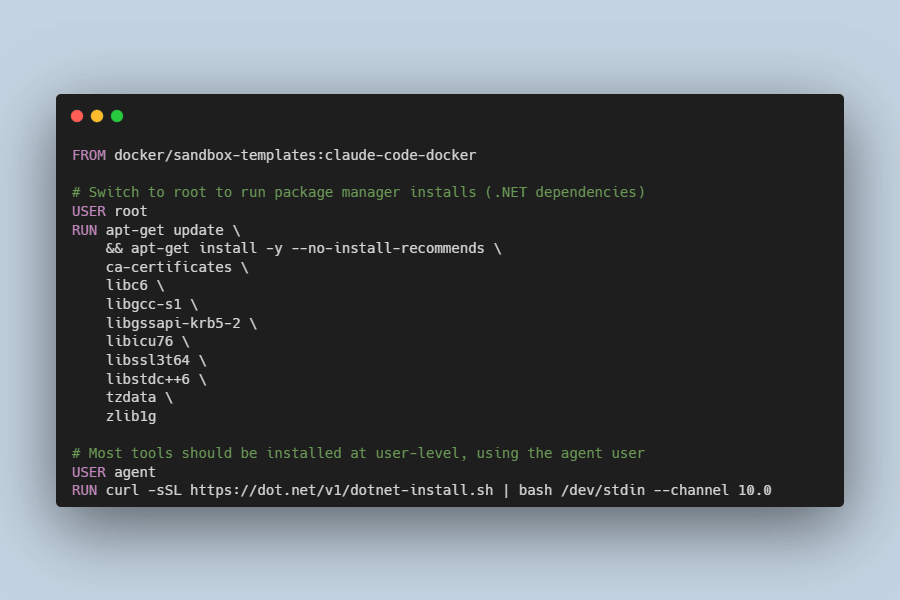
Running AI agents with customized templates using docker sandbox
Andrew Lock | .NET Escapades
In this post I describe how to create custom templates for Docker Sandboxes, so that your sandboxes start with additional tools immediately available
Read article
EF Core query translation: Why does some LINQ never become SQL?
elmah.io Blog - .NET Technical tutorials/guides and new features
We know that every Entity Framework Core (EF Core) LINQ query has a corresponding SQL query. That equivalent SQL is actually executed under the hood. Some LINQ expressions involve. NET-specific code, ...
Topics: EF Core
Read article