EF Core, Polly v8, and local AI
Coverage includes EF Core query tuning, testing seams, Span-based parsing, Visual Studio Azure debugging, and local LlamaSharp AI in .NET.
Part of: .NET Core: a working guide for .NET developers, EF Core: a working guide for .NET developers, Performance: a working guide for .NET developers
Jasen's top three picks
- 1 EF Core Query Performance — How to Write Fast and Efficient Queries
Medium
A solid refresher on the EF Core basics that actually move the needle, especially projection, tracking choices, and index-aware query shape.
- 2 Testing Needs a Seam, Not an Interface
codeopinion.com
This is a useful pushback against interface-first design when the real goal is creating testable seams with less architectural ceremony.
- 3 I Built a .NET Library for ACH Files — and Made It Much Faster Than the Popular Alternative
Medium
Nice performance-minded library work here, with Span and ref struct choices showing how low-level .NET primitives can pay off in real parsing workloads.
Editor's note
I kept this one nicely mixed on purpose. The EF Core query tuning piece is practical and immediately useful, and the Polly v8 guide matters because so much older resilience advice is now stale. I also liked the testing seams article for challenging a common architectural reflex without drifting into purity debates.
Today's articles
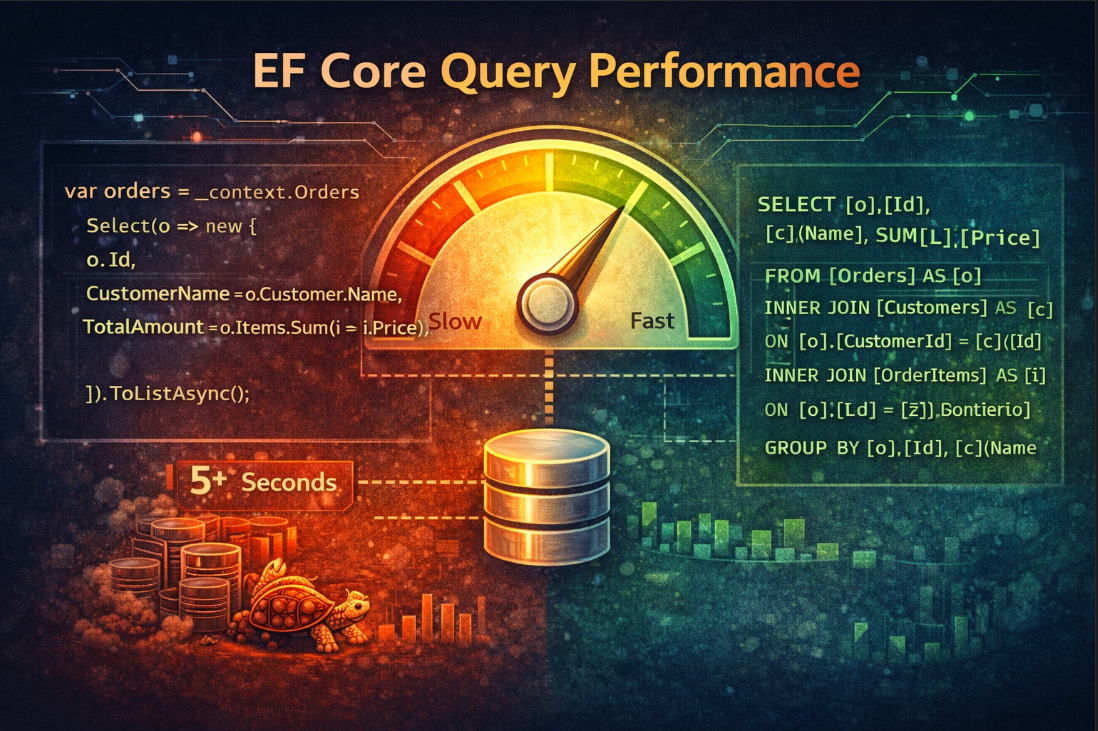
EF Core Query Performance — How to Write Fast and Efficient Queries
Medium
Learn projection, AsNoTracking, indexing, and optimization techniques to build high-performance EF Core APIs.
Topics: EF Core Performance Web API
Read article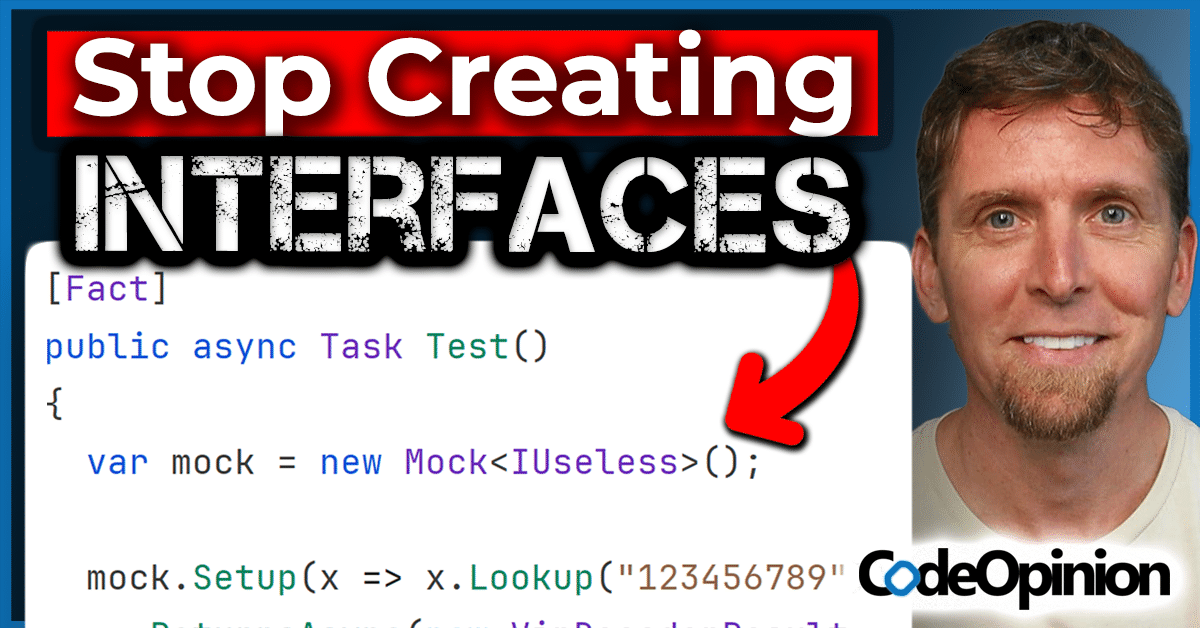
Testing Needs a Seam, Not an Interface
codeopinion.com
In my last video, I said that clean architecture was killing your velocity. And man, you guys had thoughts. The number one pushback, the hill a lot of people were willing to die on, was testing. And I...
Topics: Clean Architecture Unit Testing
Read article
I Built a .NET Library for ACH Files — and Made It Much Faster Than the Popular Alternative
Medium
How `ReadOnlySpan<T>`, a `ref struct`, and some simple design decisions made parsing ACH files dramatically faster
Topics: C# Performance
Read article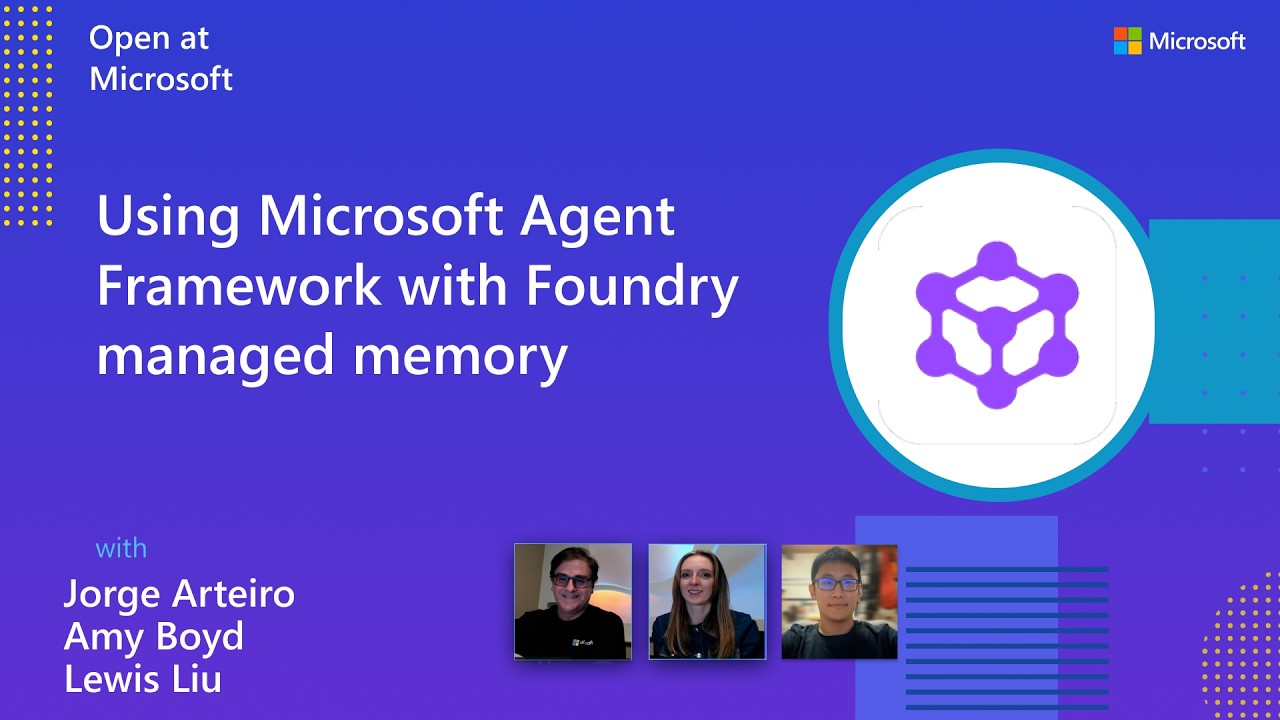
Using Microsoft Agent Framework with Foundry managed memory
YouTube
Lewis Liu and Amy Boyd walk through how memory is natively integrated with Microsoft Agent Framework and LangGraph, enabling agents to persist user preferences, conversation context, and task outcomes...
Topics: OpenAI Semantic Kernel
Read article
Resilience in .NET — Polly v8 Retry, Circuit Breaker, and Timeout Patterns
Medium
Polly v8 rewrote the entire API and most tutorials are now outdated. Here is the complete production guide to the new ResiliencePipeline —…
Topics: .NET Core Performance
Read article
Difference Between yield return and return in C# with Examples?
C# Corner
Unlock the power of C#! Discover the difference between `return` and `yield return` for efficient data handling. Learn when to use each for optimized memory and performance in your applications. Maste...
Topics: C# Performance
Read article
I Spent a Weekend Building a C# Web API Without a .csproj and .sln, and It Felt a Lot Like Go
Medium
I’ve been writing C# on and off since around 2020, and for most of that time the first thing I do on any new project is the same: dotnet…
Read article
String Performance: Why Some String Searches Are Slower Than You Think
dotNetTips.com
String searching is fundamental to modern applications, yet its performance impact is often overlooked. This article explores how common string search patterns can quietly slow down your code—and how ...
Topics: C# Performance
Read article
The Build-Time Rebellion: When .NET Maintainers Fought Back
Microsoft Dev Blogs
Introduction: The Invisible Infrastructure
Topics: .NET Core
Read article
Still writing long SQL queries for every database operation?
Medium
What if you could interact with your database using simple C# code?
Topics: .NET Core SQL Server
Read articleThe Visual Studio Shortcuts That Cut My Azure Debugging Time in Half
Medium
Stop clicking through menus while your Azure logs pile up.
Topics: Azure Visual Studio
Read articleRunning Local AI with LlamaSharp in .NET: A Developer's Guide
C# Corner
Run powerful AI models locally in .NET with LlamaSharp! This guide covers setup, model selection (Llama 3, Phi-4), GPU acceleration, and integration with Semantic Kernel.
Topics: .NET Core OpenAI Semantic Kernel
Read article