ASP.NET Core reliability and EF Core performance
A mixed .NET roundup with ASP.NET Core reliability, EF Core optimization, Azure cost and outage coverage, plus memory, CI/CD, and Channels.
Jasen's top three picks
- 1 Simple Image Uploads in a React & .NET Application
Medium
Image uploads are simple until auth, validation, and trust boundaries show up; this one is a useful reminder to treat the API like a public
- 2 Understanding Garbage Collection, Cyclic References, and Memory Management in C#
C# Corner
A clear refresher on GC, cyclic references, weak references, and IDisposable, with the kind of memory-model basics that still prevent real leaks.
- 3 Saga Pattern in C#: Reliable Transaction Orchestration Example
C# Corner
The Saga walkthrough is a solid microservices orchestration example when you need consistency without pretending distributed transactions are easy.
Editor's note
I pulled together a deliberately varied mix this time: production reliability, performance tuning, and a few practical how-tos. The global exception handling piece and the EF Core compiled queries article are especially useful if you’re shipping real APIs under load. I also kept the Azure Storage Mover and Front Door outage posts in the lineup because they’re a good reminder that cloud architecture is operational, not just code.
Today's articles
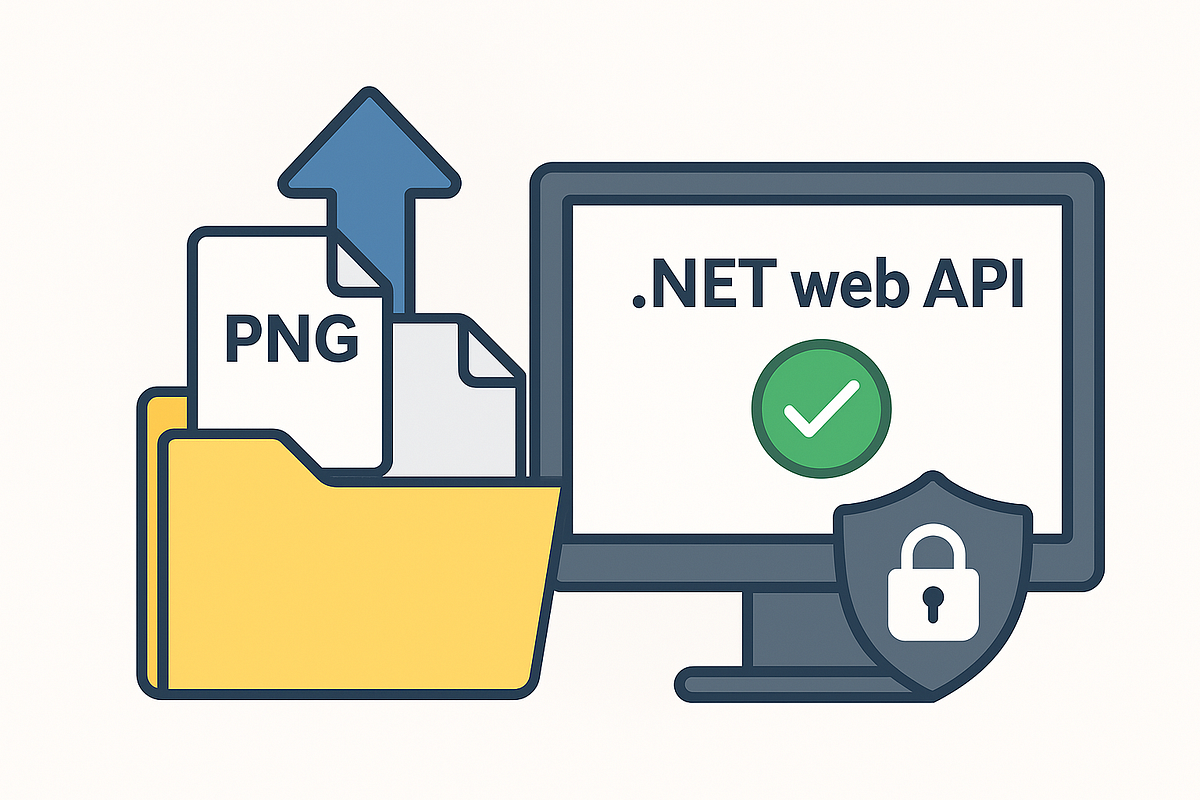
Simple Image Uploads in a React & .NET Application
Medium
And the API credibility & security concerns you must consider.
Read article
Understanding Garbage Collection, Cyclic References, and Memory Management in C#
C# Corner
Master C# memory management! Explore garbage collection, cyclic references, weak references, and IDisposable for efficient, leak-free .NET applications.
Read articleSaga Pattern in C#: Reliable Transaction Orchestration Example
C# Corner
Implement the Saga Pattern in C# for reliable transaction orchestration across microservices. Learn to manage complex workflows and ensure data consistency.
Read article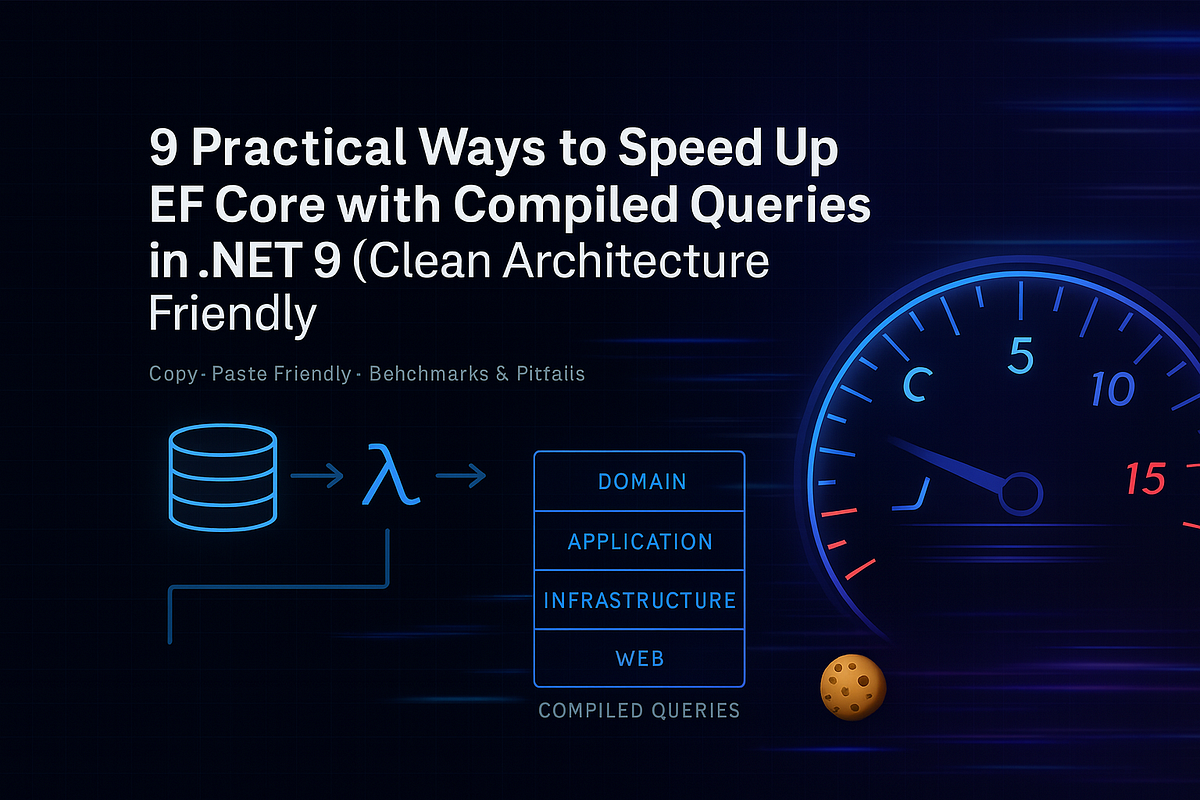
9 Practical Ways to Speed Up EF Core with Compiled Queries in .NET 9 (Clean Architecture Friendly)
Medium
If you want the full source code, join our community: Here
Read articleDifference Between Abstract Class and Interface in C#
C# Corner
Understand the core differences between abstract classes and interfaces in C# with a practical Windows Forms example. Learn when to use each for better design.
Read article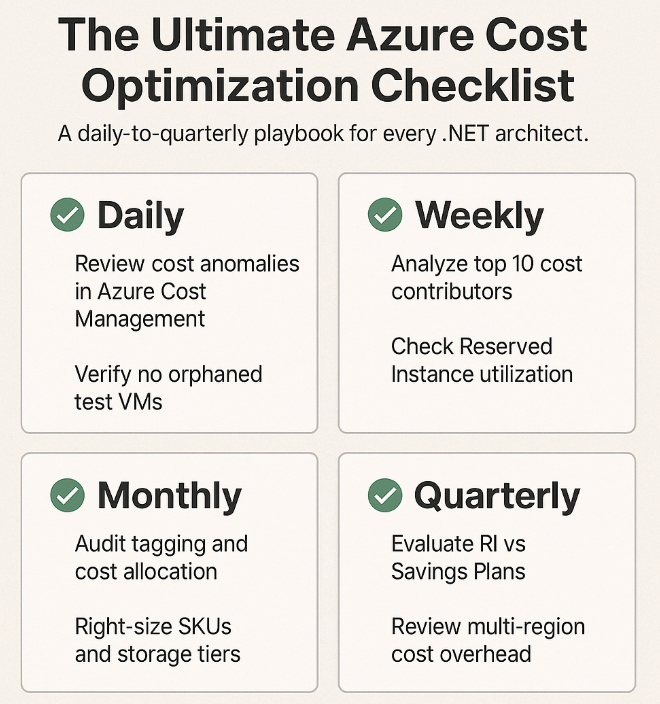
The 8-Step Azure Cost Optimization Playbook for Enterprise .NET Teams
Medium
In enterprise environments, a 10% cost reduction can translate to millions in savings. Azure cost optimization is not just about reducing…
Read article
Event-Driven Architecture with .NET 9: Goodbye Tight Coupling
Medium
From tightly coupled services to reactive, scalable systems
Read article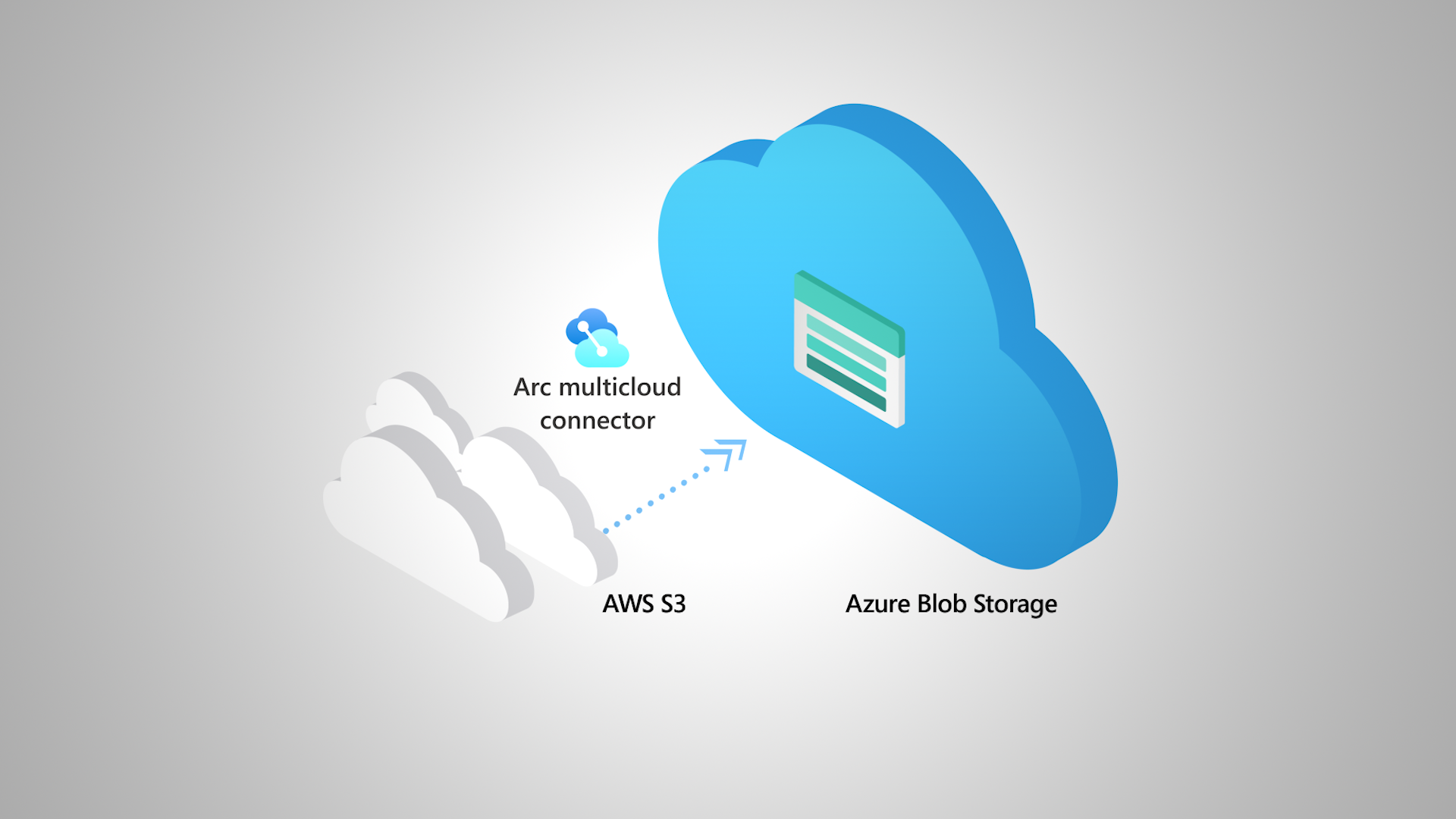
Fully managed cloud-to-cloud transfers with Azure Storage Mover
Microsoft Azure
Move data from Files Shares and NAS Storage into Azure Object and File storage with minimal disruption. The post Fully managed cloud-to-cloud transfers with Azure Storage Mover appeared first on Micr...
Read article
Enhancing your .NET API with query language
Medium
What is query language? SQL is Structured Query Language and you use it to query your database for data you are interested in. It does not…
Read articleDesigning a Robust Global Exception Handling Strategy in ASP.NET Core
C# Corner
Implement robust ASP.NET Core global exception handling for resilient APIs. Centralize error management, ensure consistent responses, and enhance observability. #dotnet
Read article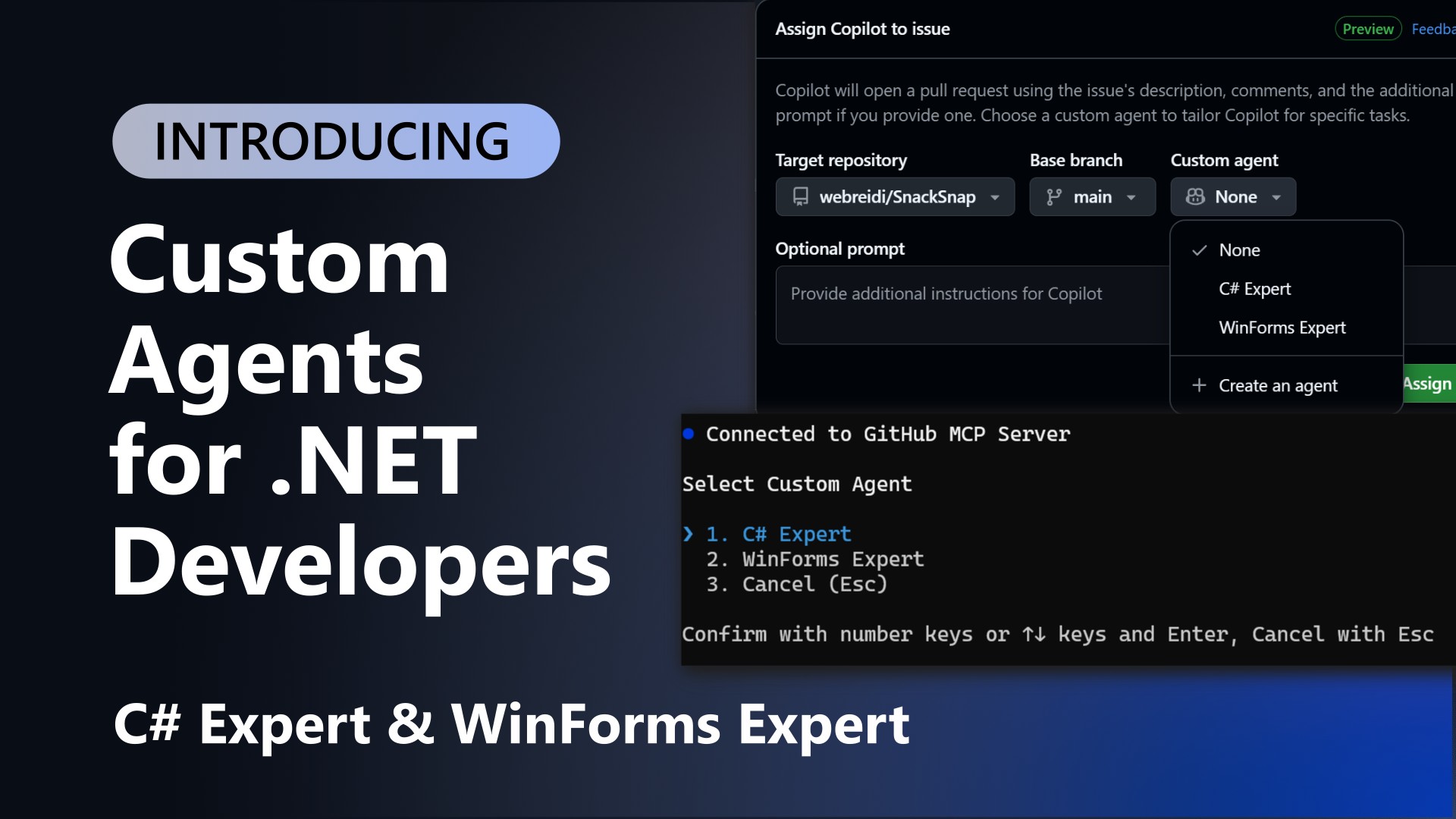
Introducing Custom Agents for .NET Developers: C# Expert & WinForms Expert
Microsoft Dev Blogs
Introducing C# Expert and WinForms Expert: experimental custom agents that help .NET developers write better code with GitHub Copilot. The post Introducing Custom Agents for .NET Developers: C# Exper...
Read article
How To Add Fault Handling In ASP.NET Core With Polly | Clean Architecture, .NET 9.
Medium
Part 1 — Introduction, Architecture, and Project Setup
Read articleASP.NET Core Future Trends 2025: MAUI, AI Integration, Blazor Hybrid & Cloud-Native Development (Part-35 of 40)
C# Corner
Explore the future of ASP.NET Core in 2025! This article dives into key trends like .NET MAUI for cross-platform development, AI integration for intelligent applications, Blazor Hybrid for web & n...
Read article
I Finally Understood What [Owned] Means in EF Core — Here’s the Simple Explanation
Medium
If you’ve been exploring Entity Framework Core, you might have seen the [Owned] attribute and wondered what it really does.
Read article
How did the Windows 95 user interface code get brought to the Windows NT code base?
Microsoft Dev Blogs
A long time ago, somebody asked, "How did the new Windows 95 user interface get brought to the Windows NT code base? The development of Windows 95 lined up with the endgame of Windows NT 3.1, so ...
Read article
Delegates and Events in ASP.NET Web Forms
C# Corner
Unlock the power of delegates and events in ASP.NET Web Forms! Build modular, scalable web applications with real-time event handling. Learn by example with a step-by-step order processing system.
Read articleHow Bootstrapped Startups Are Outperforming Funded Giants
C# Corner
Discover how bootstrapped startups are outperforming funded giants by prioritizing customer revenue, lean innovation, and resilient company culture. Learn their secrets!
Read article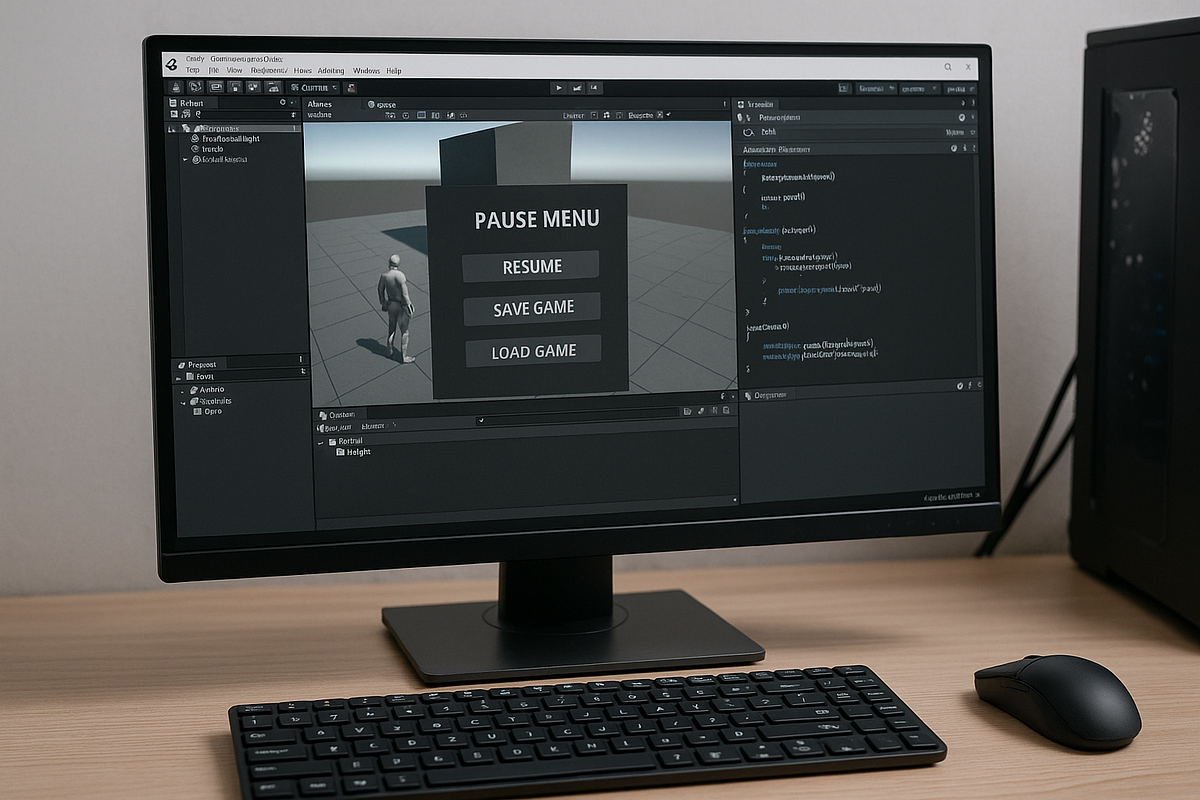
How to Create a Save & Load Game System in Unity (C# Tutorial 2025)
Medium
Introduction
Read article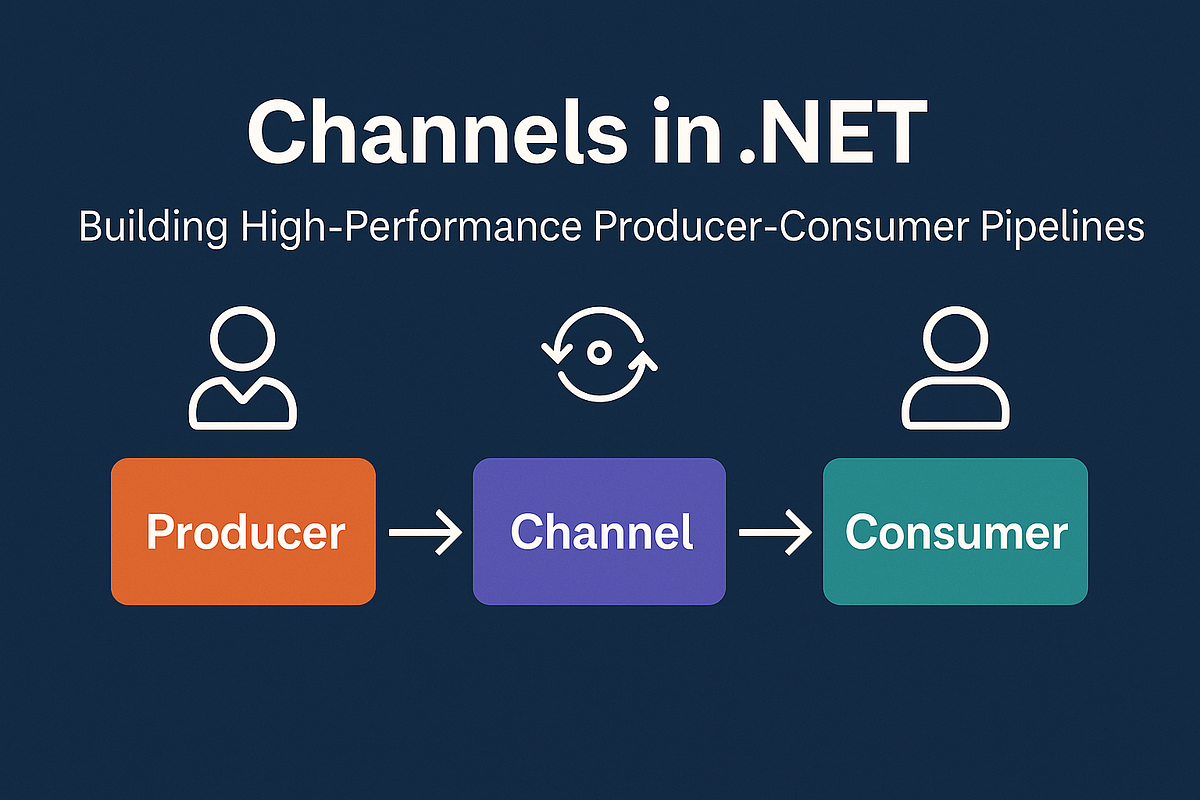
Channels in .NET: Building High-Performance Producer–Consumer Pipelines
Medium
Efficient, thread-safe data flow without queues or locks
Read articleEnterprise-Grade CI/CD for ASP.NET Core (Part-33 of 40)
C# Corner
This article, part 33 of a 40-part series, details enterprise-grade CI/CD for ASP.NET Core applications. It covers project structure, Docker configuration, comprehensive testing (unit & integratio...
Read article
How I Solved a MemoryException While Importing 5+ Million Rows from SQLite in C#
Medium
Learn how I fixed a MemoryException in C# while importing 5+ million rows from SQLite using batching and SqlBulkCopy. A real-world .NET
Read articleLambda Expressions and LINQ in ASP.NET Web Forms
C# Corner
Master ASP.NET Web Forms with LINQ and Lambda expressions! Simplify data querying, filtering, and manipulation for cleaner, more efficient code. Boost performance!
Read articleMajor Azure Front Door Outage Causing Widespread Service Disruptions Across Microsoft 365, Microsoft Azure, And The Azure Portal (October 29, 2025) | Build5Nines
build5nines.com
Starting at approximately 16:00 UTC on October 29, 2025, Microsoft Azure began experiencing a significant outage affecting the Azure Front Door (AFD) service.
Read article